How to Care for Ponytail Palm
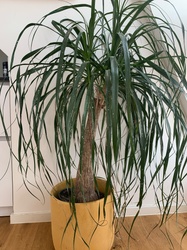
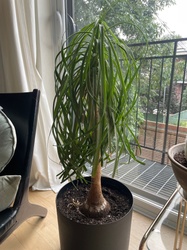
Ponytail palm (Beaucarnea recurvata) is an easy, drought-tolerant caudex plant with a swollen base and cascading strappy leaves.
Read the full Ponytail Palm encyclopedia entry →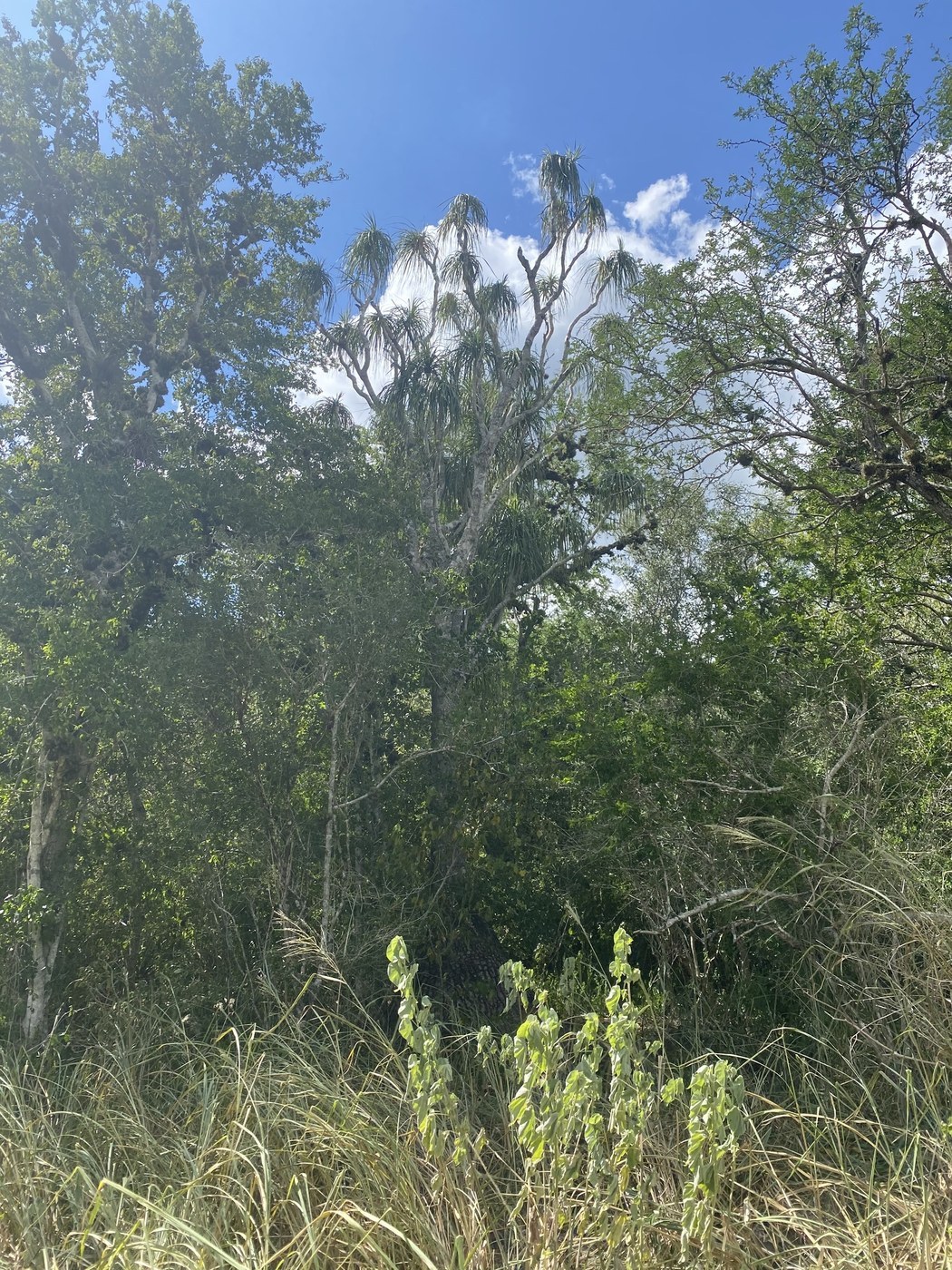
The ponytail palm is not a true palm but a succulent member of the asparagus family, grown for its dramatically swollen, water-storing base (caudex) and its fountain of long, curling, strap-like leaves. It is exceptionally forgiving, which makes it an Easy plant for beginners.
Light
Give it bright light, ideally several hours of direct sun near a south or west window. It tolerates lower light for a while but grows slowly and can stretch. Outdoors in warm climates it takes full sun once acclimated. The more light, the fuller and more upright the foliage.
Water
Water infrequently and let the soil dry out completely between waterings. The swollen base stores water, so the plant handles drought far better than excess. In winter, cut back sharply. Overwatering is by far the most common cause of failure; when in doubt, wait.
Soil & Potting
Use a fast-draining mix such as cactus and succulent soil, or standard potting mix amended heavily with sand and perlite. A pot with drainage holes is essential. Choose a container only slightly larger than the base; the plant actually prefers being somewhat pot-bound.
Humidity & Temperature
Ordinary, dry household air suits it perfectly, and it has no need for extra humidity. It enjoys warm temperatures and should be protected from frost. Keep it above cool thresholds in winter and away from cold drafts, which can damage the foliage tips.
Feeding
Feed lightly, only during the active growing season from spring into summer. A diluted balanced or cactus fertilizer once a month is ample. This slow grower needs little; over-feeding produces weak growth and can lead to salt buildup in the soil.
Propagation
Propagation is easiest from offsets (pups) that form around the base of a mature plant. Remove a rooted pup with a clean cut and pot it in gritty mix, keeping it barely moist until established. Seed propagation is possible but slow and uncommon at home.
Repotting / Pruning
Repot only every few years, as the plant is happy tight in its pot; over-potting increases rot risk. Move up one pot size in spring when the base crowds the rim. Little pruning is needed; simply trim off brown leaf tips or fully dried leaves for appearance.
Common Problems & Pests
Root and stem rot from overwatering is the primary threat, often showing as a soft, mushy base. Brown, crispy leaf tips usually mean too little water or dry cold air at the tips. Watch for spider mites, mealybugs, and scale; wipe leaves and treat with insecticidal soap as needed.
Seasonal Care Tips
In spring and summer, water when the soil is fully dry and feed lightly during active growth. In autumn, reduce watering as growth slows. In winter, keep it warm, bright, and nearly dry, watering just enough to keep the caudex from shriveling. Rotate the pot occasionally for even, symmetrical growth.
Frequently asked questions
Is a ponytail palm actually a palm?
No. Despite the name and look, it is a succulent in the asparagus family, not a true palm. That is why it stores water in its swollen base and tolerates drought so well.
Why is the base of my ponytail palm turning soft?
A soft, mushy base almost always signals rot from overwatering or poor drainage. Let the soil dry fully, use a gritty mix and a pot with drainage holes, and water far less often.
How often should I water a ponytail palm?
Only when the soil has dried out completely, which may be every few weeks in summer and rarely in winter. The swollen base holds a water reserve, so underwatering is much safer than overwatering.
Why are the leaf tips turning brown?
Brown, crispy tips usually mean the plant has been too dry or exposed to cold, dry drafts. Water a bit more consistently during active growth and trim damaged tips for a tidy look.
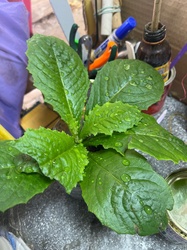
Ponytail Palm identified by the community
Recent Ponytail Palm specimens identified with Plant Identifier.