Ponytail Palm
Beaucarnea recurvata
Not a true palm but a succulent with a swollen, water-storing trunk and a fountain of long, curly leaves. Its bulbous base gives it the nickname elephant's foot.
- Light
- Bright light
- Water
- Infrequently; let soil dry
- Difficulty
- Easy
Got a plant like this?
Identify any plant from a photo, free.
Overview
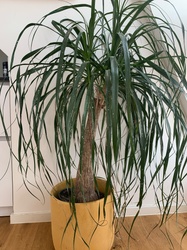
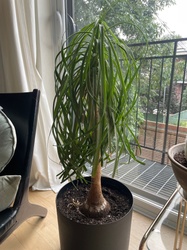
The Ponytail Palm is neither a palm nor a tree but a succulent member of the asparagus family. Its most distinctive feature is a swollen trunk base (caudex) that stores water, allowing it to survive long droughts, topped by a cascading spray of thin, arching leaves like a ponytail.
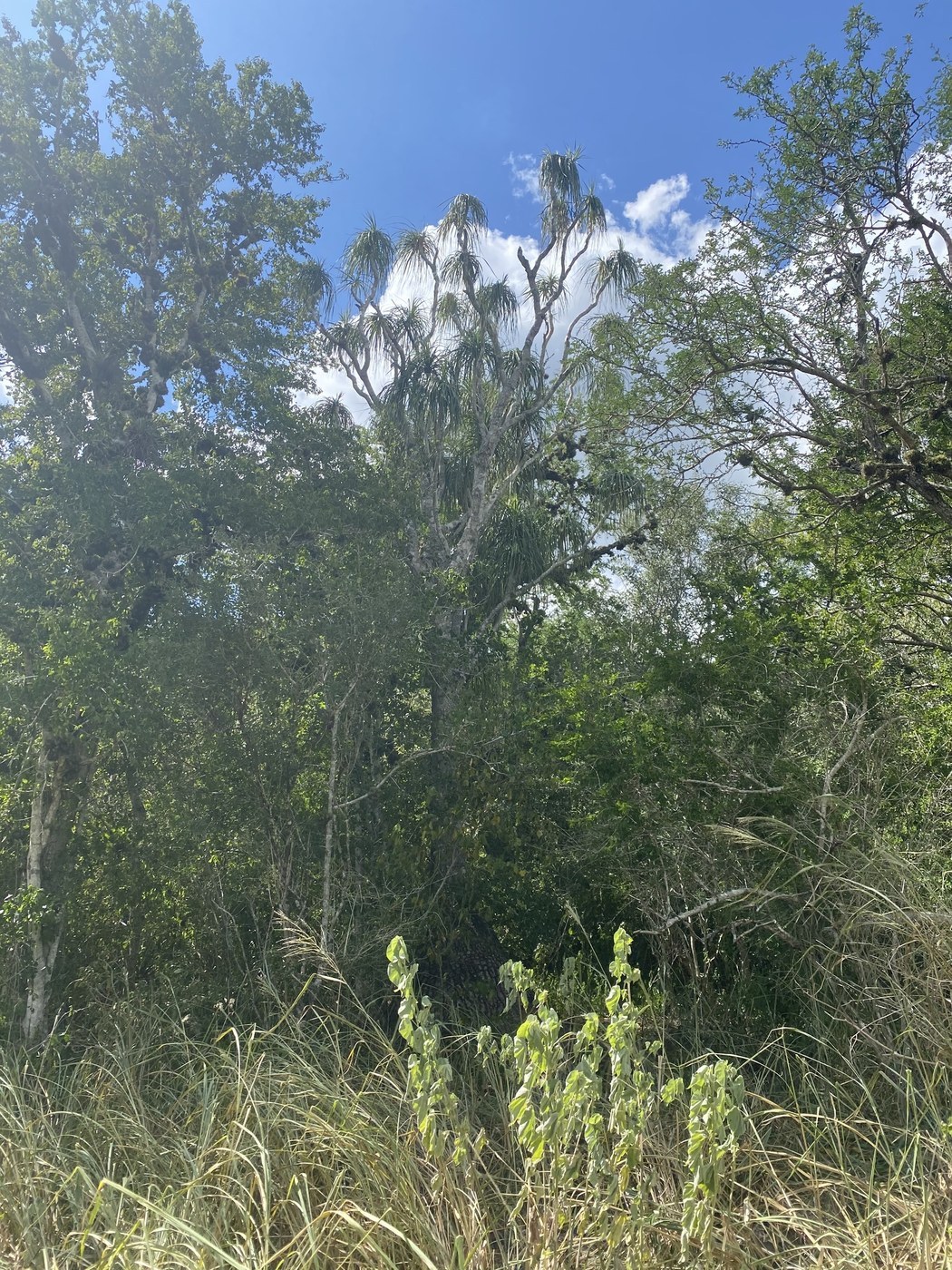
Slow-growing and exceptionally easy-going, it can live for decades. Indoors it usually stays 60 cm to 1.2 m tall, while in its native habitat it can become a tree several meters high.
How to identify it
Identify it by a bulbous, water-storing trunk base crowned with long, curling, grass-like leaves.
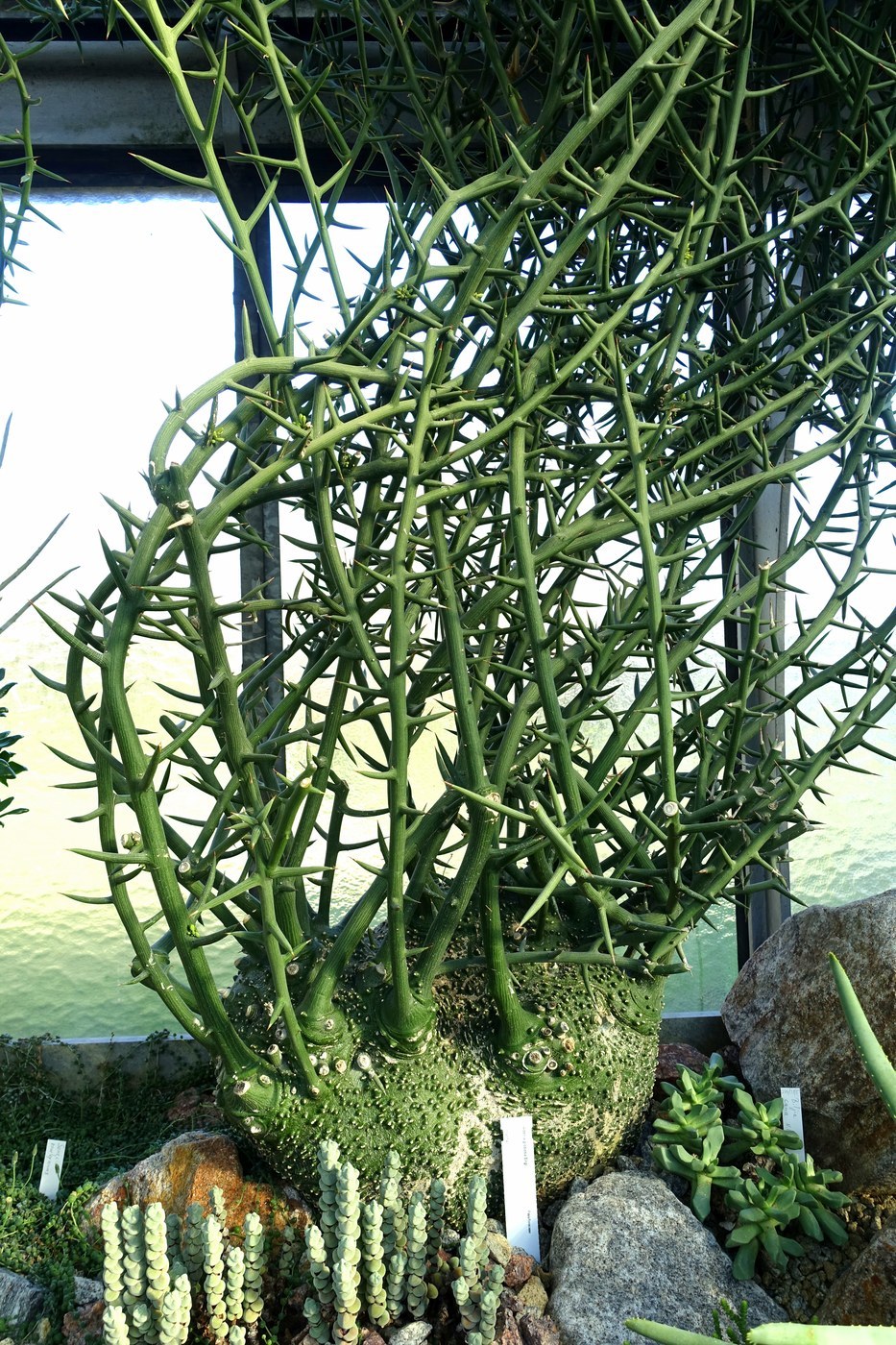
- Trunk: swollen, bottle-shaped base with rough, cracked, gray-brown bark
- Leaves: thin, leathery, strap-like, arching and curling down in a fountain shape, up to 1 m long
- Habit: single or branching trunk; slow-growing
- Flowers: tall plumes of creamy flowers on old outdoor specimens, rare indoors
Care & growing
Give it as much bright light as possible, including some direct sun.
- Water: infrequent; soak then let the soil dry out completely, as the caudex stores water and rot is the main risk
- Soil: fast-draining cactus or succulent mix
- Temperature: 18 to 27 C; keep above 10 C and protect from frost
- Feeding: light feeding once or twice in the growing season
- Propagation: from seed or by removing offsets (pups) at the base
Habitat & origin
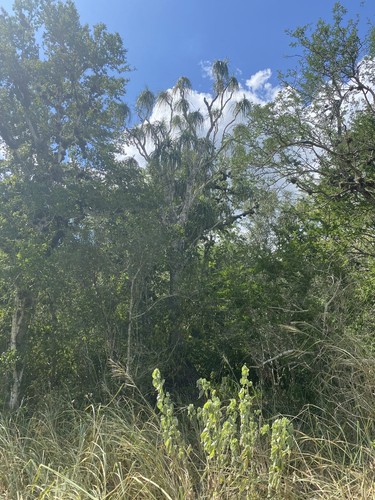
Native to the semi-desert regions of eastern Mexico, where it grows in dry, rocky soils under intense sun. The swollen trunk is an adaptation to store water through long dry spells. Wild populations are protected, and it is now grown worldwide as a drought-tolerant houseplant and, in frost-free climates, a landscape specimen.
Frequently asked questions
Is the ponytail palm a real palm?
No, it is a succulent in the asparagus family. It only resembles a palm because of its trunk and tuft of leaves.
How often should I water it?
Rarely. Water deeply, then let the soil dry out fully. The swollen base stores water, so overwatering causes rot.
Why is the trunk getting soft or wrinkled?
A soft, mushy base signals overwatering and rot; a shriveled trunk signals prolonged underwatering. Adjust accordingly.
Ponytail Palm guides
In-depth guides for identifying, growing, and caring for Ponytail Palm.
How to Care for Ponytail Palm
Ponytail palm (Beaucarnea recurvata) is an easy, drought-tolerant caudex plant with a swollen base and cascading strappy leaves.
Ponytail Palm Identification Guide
Identify the Ponytail Palm (Beaucarnea recurvata) by its swollen bulb-like base and cascading fountain of long, curling strap leaves — a succulent, not a true palm.
Ponytail Palm identified by the community
Real specimens identified with Plant Identifier.