
How to Care for Post Oak
Grow a tough, drought-tolerant Post Oak in full sun and dry, well-drained soil; slow-growing and best left undisturbed once established.
Read the full Post Oak encyclopedia entry →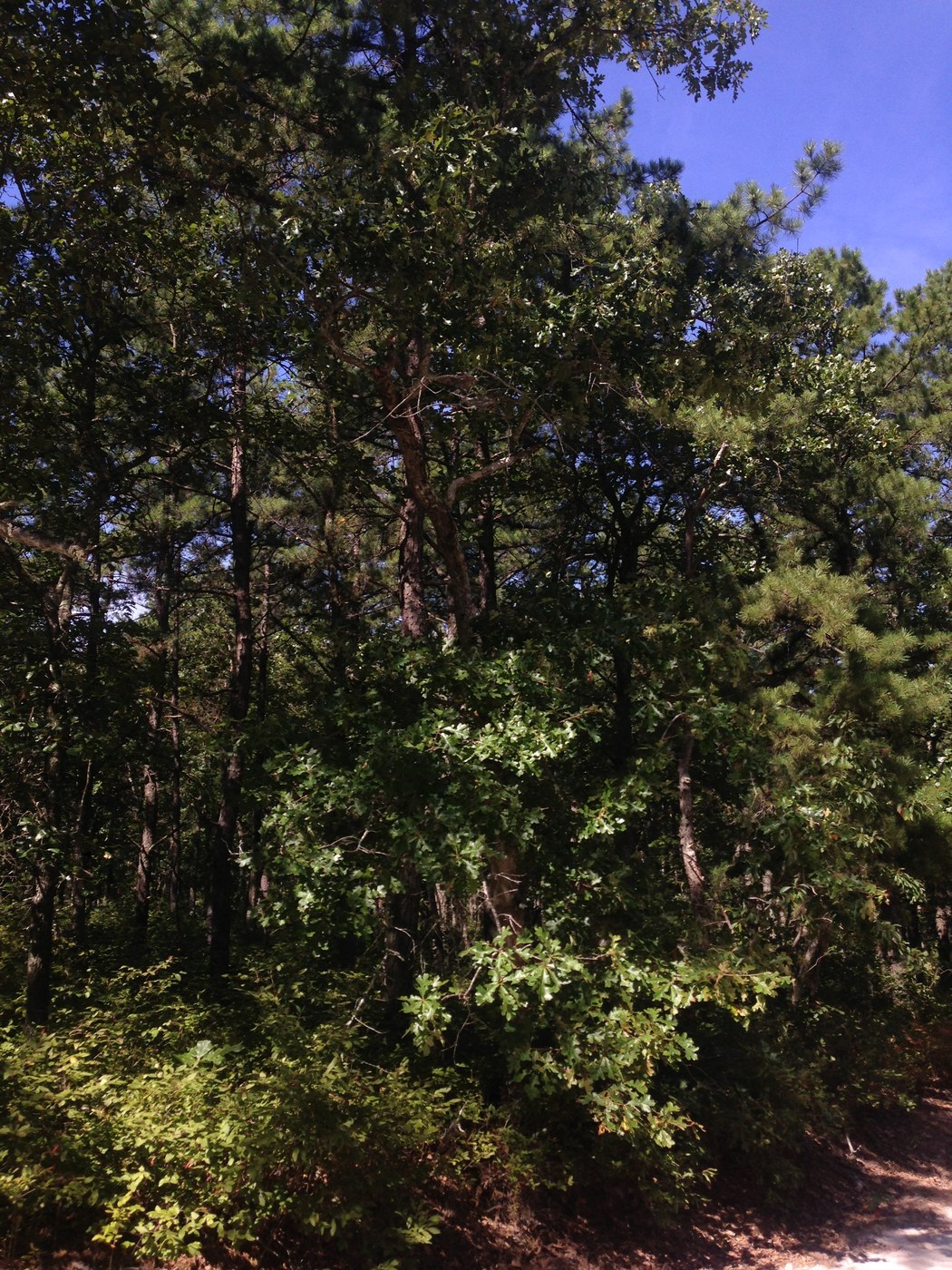
The Post Oak (Quercus stellata) is a slow-growing, exceptionally tough deciduous oak native to dry uplands and rocky ridges. Recognized by its distinctive cross-shaped (star-like) leaves and dense, durable wood, it excels in poor, dry soils where many trees fail, making it valued for naturalized landscapes and difficult sites.
Light
Post Oak demands full sun. It is a sun-loving species of open woodlands and prairie edges, needing at least six hours of direct light daily to develop a strong, spreading crown. It will not thrive in shade, so plant it in an open, unobstructed spot.
Water
Water needs are low; Post Oak is highly drought tolerant and adapted to dry, sandy, and rocky ground. Water young trees occasionally during their first year or two to help roots establish, then let the tree rely on natural rainfall. It strongly dislikes wet, poorly drained, or compacted soil, so avoid overwatering, which is far more harmful than drought.
Soil & Potting
This oak prefers dry, well-drained soils, including sandy, gravelly, rocky, and clay-loam types, and tolerates infertile ground that discourages other species. Excellent drainage is essential; it declines in soggy conditions. It generally favors slightly acidic to neutral soils and needs no soil enrichment. Post Oak is notoriously sensitive to root disturbance and grade changes, so choose the planting site carefully.
Humidity & Temperature
Hardy through roughly USDA zones 5 to 9, Post Oak handles hot, dry summers and cold winters with ease and needs no special humidity. It is remarkably heat- and drought-adapted, one of the reasons it dominates dry uplands where more delicate trees struggle.
Feeding
Post Oak rarely needs feeding and is adapted to lean soils. Avoid rich fertilizers and heavy nitrogen, which can force weak, unnatural growth. If a young tree seems to lag, a light application of balanced fertilizer in early spring is sufficient; established trees are best left alone.
Propagation
Grow Post Oak from acorns collected in fall. It develops a deep taproot early, so sow acorns directly where the tree is to grow or start them in deep containers to avoid disturbing the taproot. Cold-stratify acorns over winter if not sowing immediately. Because of the taproot and slow growth, transplanting older seedlings is difficult, so start young.
Repotting / Pruning
Prune only lightly and in the dormant season, removing dead or damaged wood. This slow-growing oak needs little shaping. Critically, protect the root zone: avoid trenching, soil compaction, grade changes, and irrigation near mature trees, as Post Oak is very intolerant of disturbance and can decline years after nearby construction or overwatering.
Common Problems & Pests
The most frequent problems come from too much water, poor drainage, or root disturbance, which cause slow decline. Oak wilt, various leaf galls, borers, and canker fungi can affect stressed trees. Keeping the tree in dry, undisturbed, well-drained conditions is the best prevention. In oak wilt regions, prune only during dormancy to reduce disease risk.
Seasonal Care Tips
In spring, do any minor dormant pruning before bud break. Through summer, established trees need little to no supplemental water; resist the urge to irrigate. In fall, expect modest brown-to-russet color and collect acorns for propagation. In winter, the sturdy, gnarled framework is fully hardy and needs no protection.
Frequently asked questions
How much water does a Post Oak need?
Very little. Post Oak is highly drought tolerant. Water only young trees while establishing, then rely on rainfall. Overwatering and wet soil are its biggest threats.
Why is my established Post Oak slowly declining?
Post Oak is extremely sensitive to root disturbance, soil compaction, grade changes, and excess water. Nearby construction or overwatering can cause slow decline over several years.
What kind of soil does Post Oak prefer?
Dry, well-drained, often poor soils, including sandy, rocky, gravelly, and clay-loam types. Excellent drainage is essential, as it will not tolerate soggy ground.
Is Post Oak hard to transplant?
Yes. It develops a deep taproot and resents disturbance, so it is best grown from acorns sown in place or started young in deep containers.