Post Oak
Quercus stellata
Post oak is a slow-growing, drought-hardy white oak of the southern and central US, recognized by its cross-shaped leaves. Its rot-resistant wood was traditionally used for fence posts.
- Light
- Full sun
- Water
- Low; drought tolerant
- Difficulty
- Moderate
Got a plant like this?
Identify any plant from a photo, free.
Overview
Post oak (Quercus stellata) is a medium-sized deciduous tree in the white oak group, native to the central and southeastern United States. It is famous for its leathery, cross-shaped leaves, the middle lobes forming a rough plus sign.
The tree is exceptionally tough and drought tolerant, dominating dry, rocky, and sandy sites where many other trees fail — including the "Post Oak Savanna" and "Cross Timbers" regions of Texas and Oklahoma.
Its dense, durable, rot-resistant wood was widely used for fence posts, giving the tree its common name.
How to identify it
- Leaves: Leathery, dark green, 4–6 in long, with a distinctive cross or Maltese-cross shape formed by two large, squarish middle lobes; rough-hairy beneath.
- Bark: Light gray to reddish-brown, fissured into scaly, blocky ridges.
- Acorns: Small (½–¾ in), oval, with a bowl-like cap covering about a third of the nut; matures in one season (white oak group).
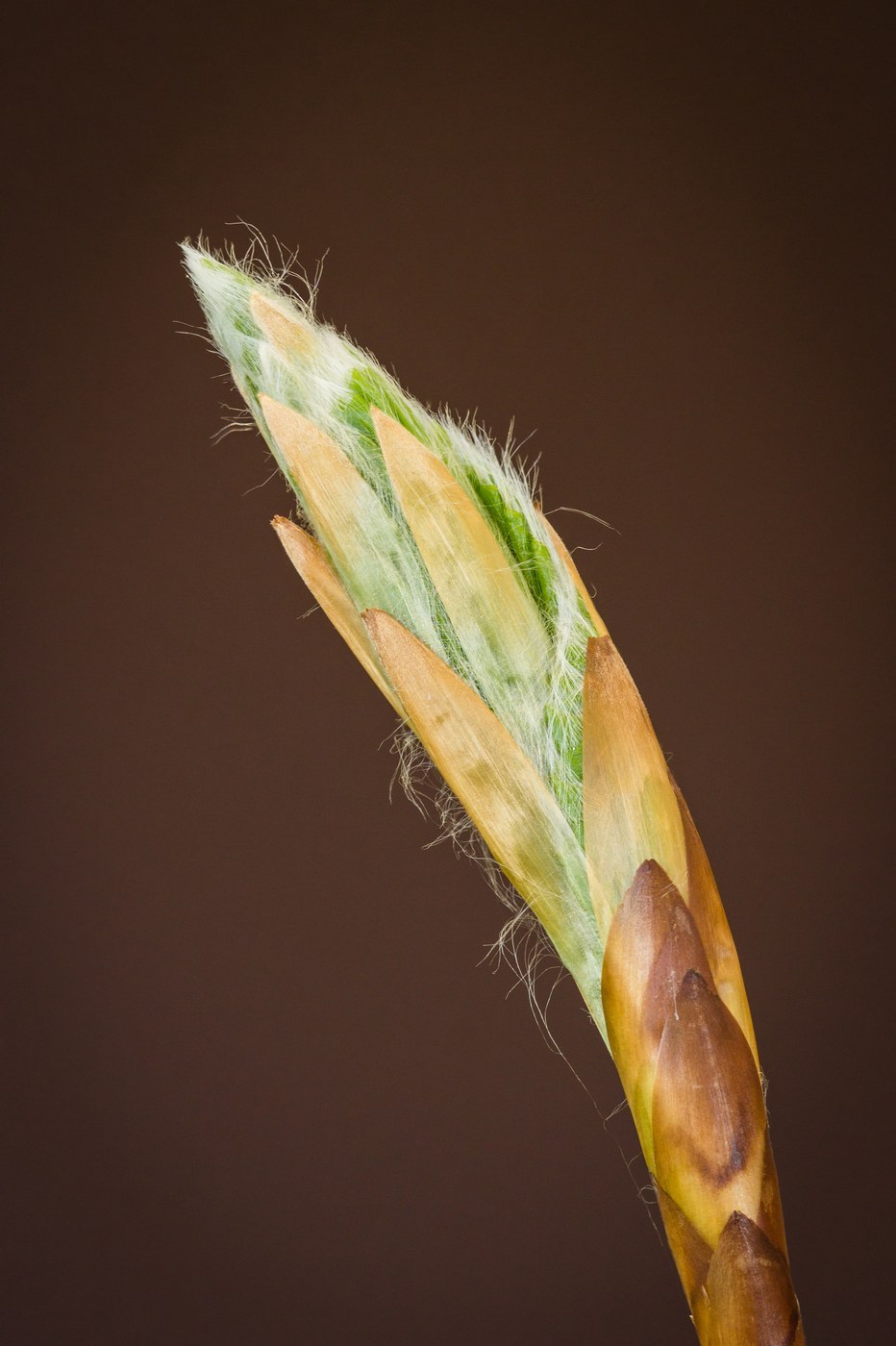
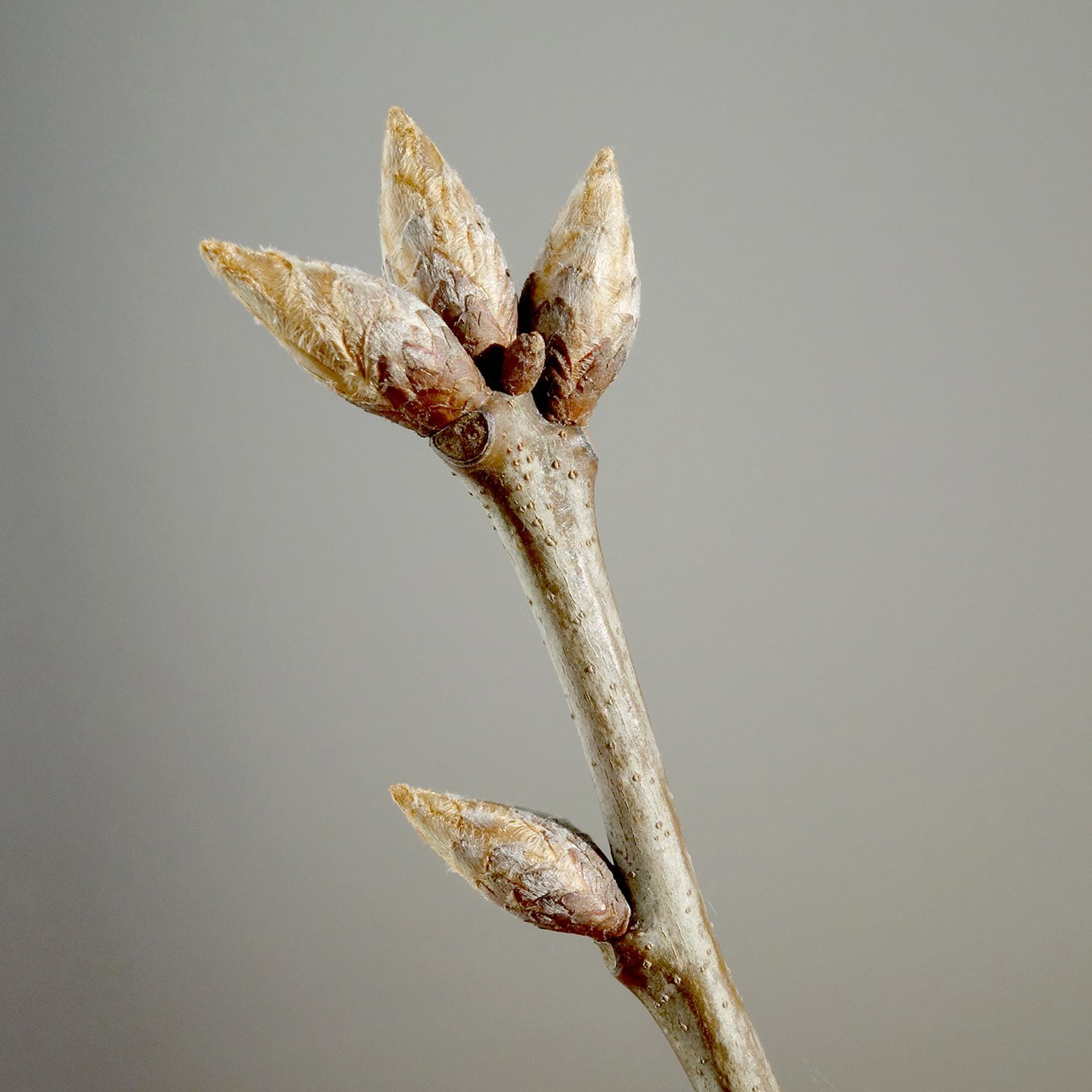
- Twigs: Stout, often covered in star-shaped (stellate) hairs.
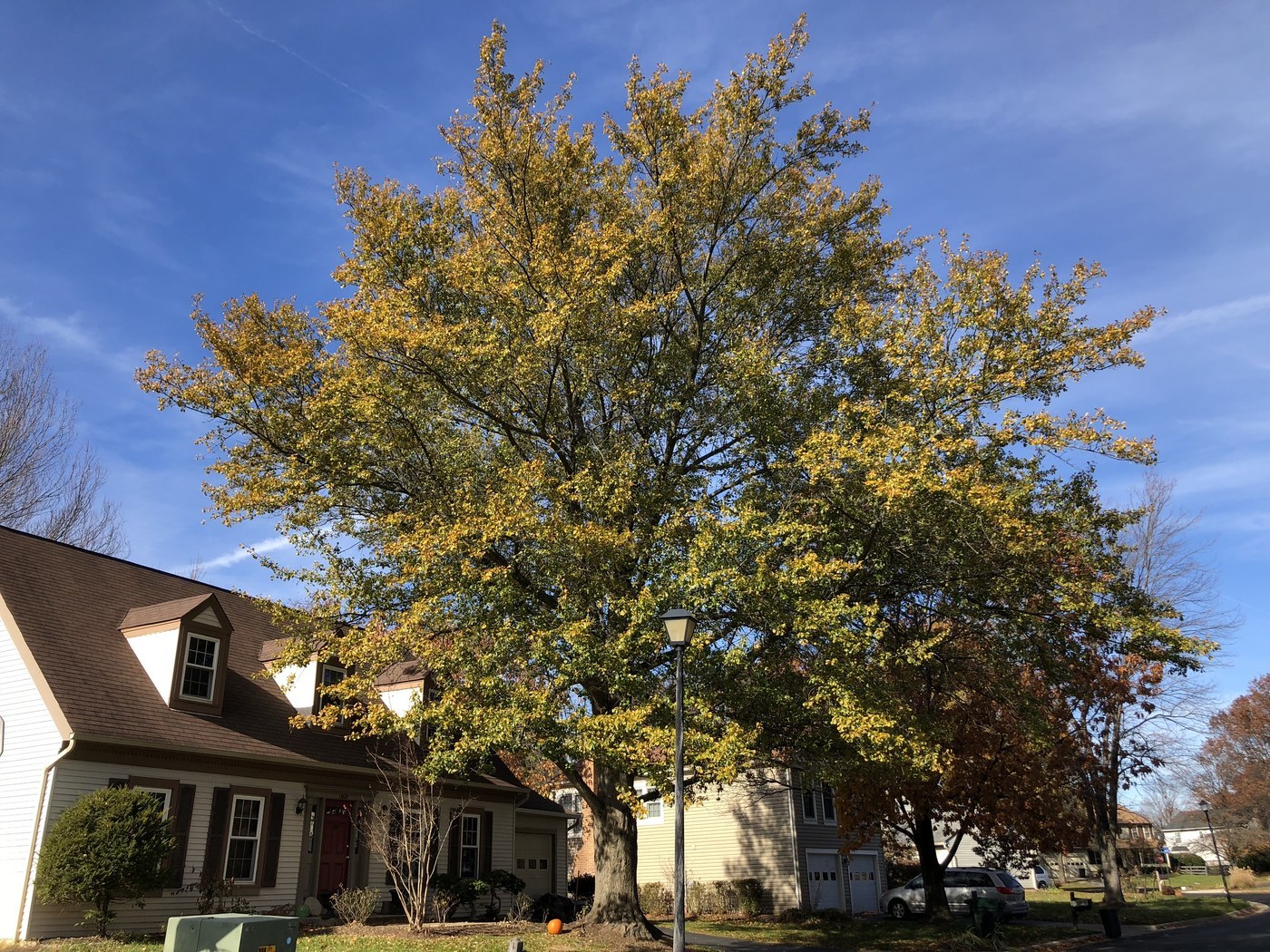
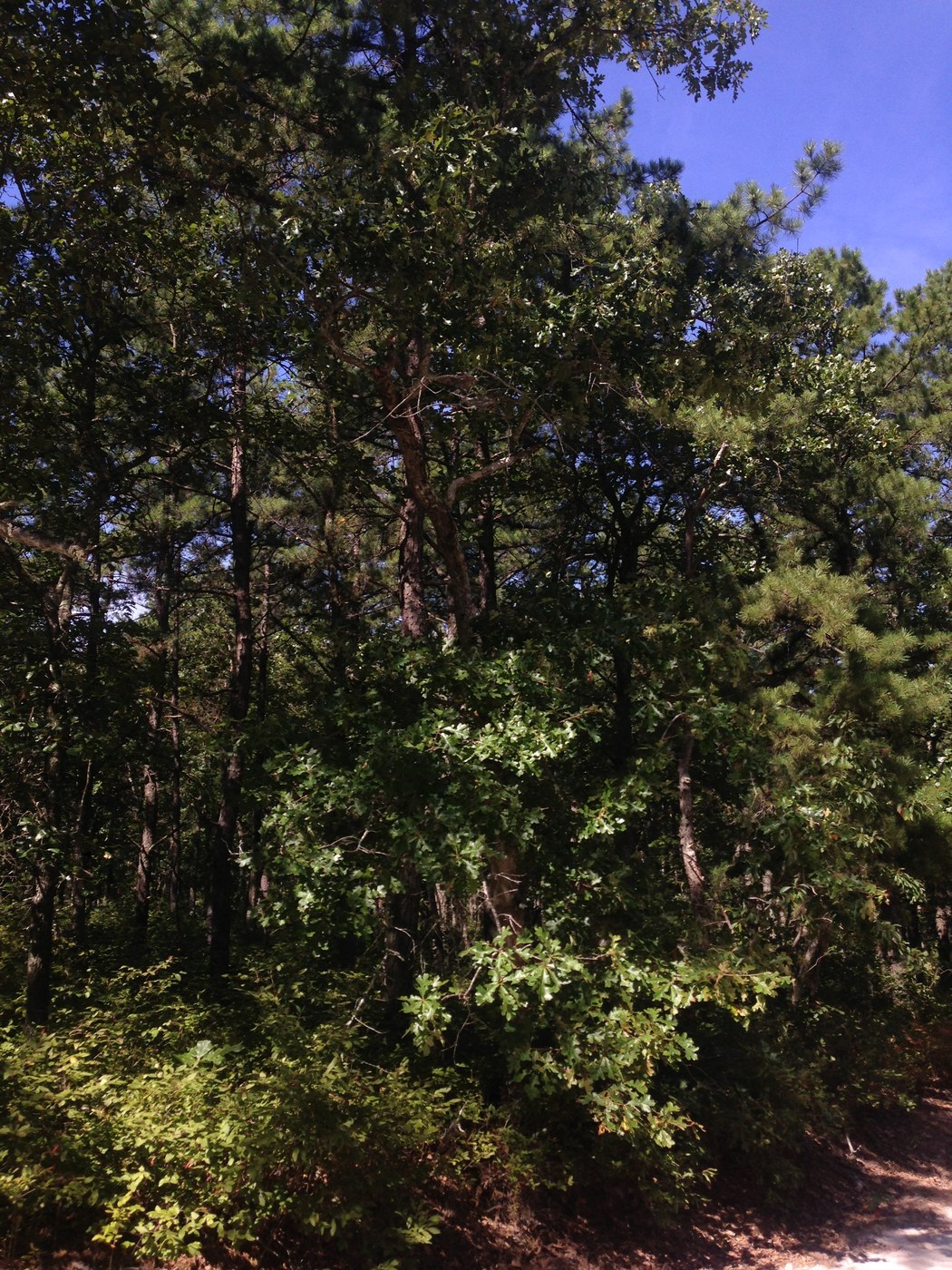
- Size & habit: Usually 30–50 ft tall with a dense, gnarled, rounded crown.
Care & growing
Post oak demands full sun and excellent drainage; it is highly intolerant of soil disturbance and compaction.
- Water: Very drought tolerant; dislikes overwatering and poorly drained sites.
- Soil: Thrives on dry, sandy, rocky, or clay soils; sensitive to grade changes and root compaction near construction.
- Temperature: Hardy in USDA zones 5–9.
- Feeding: Not needed in native soils.
- Propagation: From acorns sown in fall; slow-growing and difficult to transplant due to a deep taproot, so plant young.
Habitat & origin
Native to the central and southeastern United States, from Massachusetts and New York south to Florida and west through Texas to Kansas.
It is a defining species of dry upland forests, sandy ridges, and savannas, including the Cross Timbers and Post Oak Savanna of the south-central US. It excels on poor, droughty soils where it often forms open woodlands.
Frequently asked questions
Why is it called post oak?
Its dense, rot-resistant wood was traditionally split and used for fence posts and other ground-contact uses.
How do I recognize a post oak?
The leathery leaves have a distinctive cross or plus-sign shape formed by two squared-off middle lobes, and the twigs and leaf undersides bear star-shaped hairs.
Why do post oaks die after nearby construction?
Post oak is extremely sensitive to soil compaction, grade changes, and root disturbance, so building or paving near them often causes decline and death.
Can post oak handle drought?
Yes. It is one of the most drought-tolerant oaks and thrives on dry, rocky, and sandy soils where many trees cannot survive.
Post Oak guides
In-depth guides for identifying, growing, and caring for Post Oak.
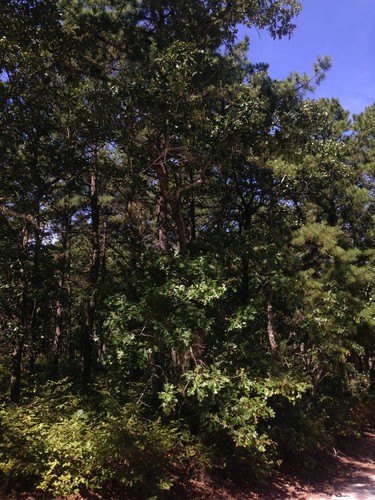
How to Care for Post Oak
Grow a tough, drought-tolerant Post Oak in full sun and dry, well-drained soil; slow-growing and best left undisturbed once established.
Post Oak Identification Guide
How to identify Post Oak (Quercus stellata) by its distinctive cross- or Maltese-cross-shaped leaves with broad squarish lobes, found on dry upland sites.