
How to Care for Prairie Smoke
Prairie Smoke (Geum triflorum) is an easy, drought-tolerant native perennial with nodding pink blooms and wispy, smoke-like seed plumes.
Read the full Prairie Smoke encyclopedia entry →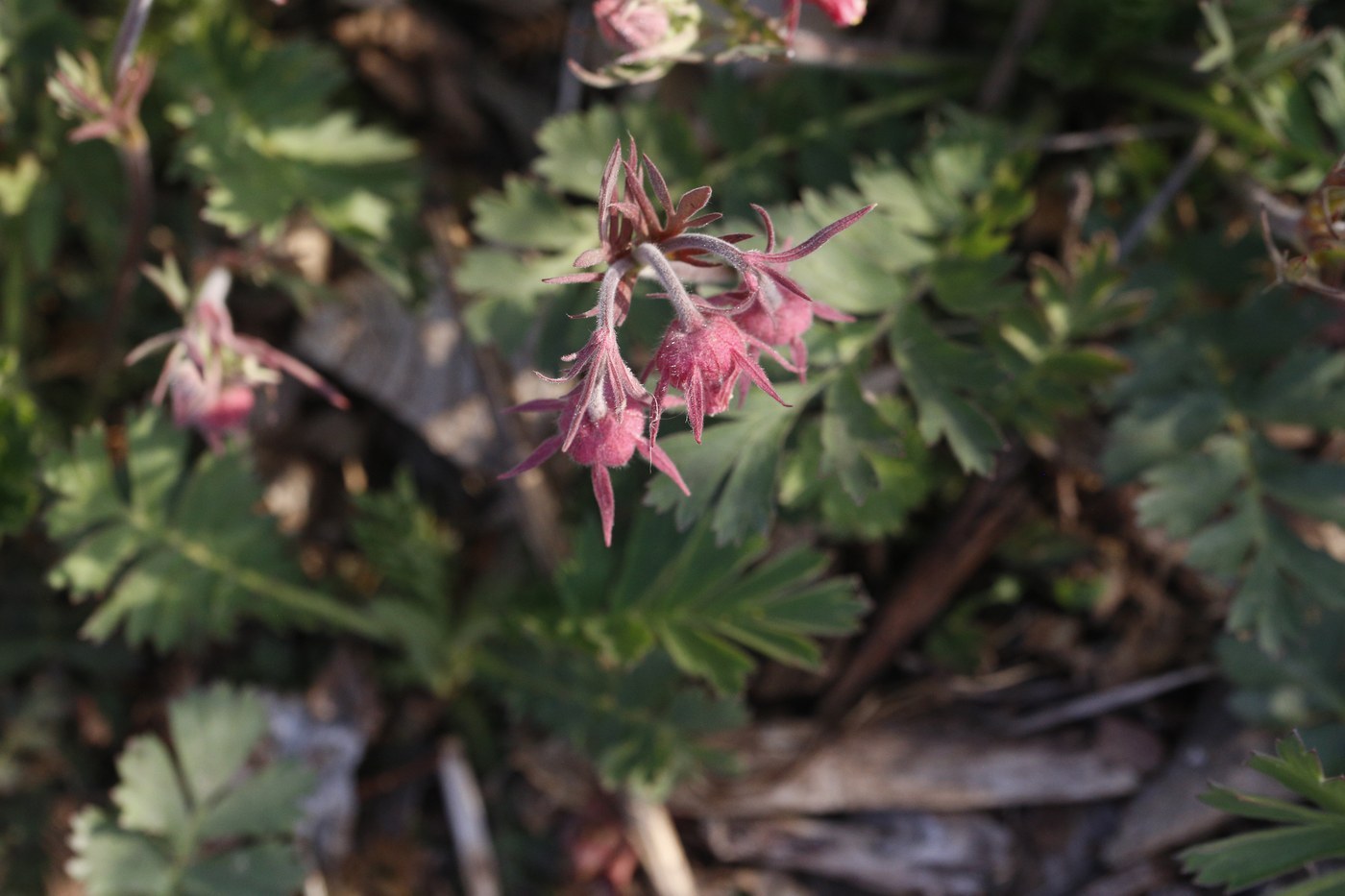
Prairie Smoke (Geum triflorum) is a low, clump-forming native perennial famous for its nodding, urn-shaped pinkish flowers that give way to feathery, smoke-like plumes of seed heads. It is a tough, early-blooming plant for sunny, well-drained sites and rock gardens.
Light
Grow Prairie Smoke in full sun to light shade. Full sun in cooler climates gives the most compact growth and the best display of both flowers and wispy seed plumes. In hot regions a bit of afternoon shade is appreciated, but deep shade reduces flowering and encourages floppy growth.
Water
Water to establish during the first season, then this prairie native becomes distinctly drought-tolerant. It prefers soil that stays on the dry side and strongly dislikes wet, poorly drained ground, which rots the crown. Once established, it rarely needs supplemental water except in extended drought.
Soil & Potting
Sharp drainage is essential. Prairie Smoke thrives in lean, sandy, gravelly, or rocky soils and tolerates poor fertility well. Avoid rich, heavy, or consistently moist soils. It is a natural choice for rock gardens, gravel beds, and dry slopes. If grown in a container, use a gritty, fast-draining mix and a pot with ample drainage.
Humidity & Temperature
A cold-hardy prairie species, it withstands harsh winters (roughly USDA zones 3-7) and cool springs, blooming early in the season. It prefers cooler conditions and can struggle in hot, humid climates, where good air circulation and dry soil are especially important. No added humidity is needed; it is happiest in open, airy sites.
Feeding
Prairie Smoke needs little to no fertilizer and performs well in lean soils. Overly rich feeding produces weak, floppy growth and fewer of the characteristic seed plumes. A light topdressing of compost in spring is more than enough on poor soils; otherwise leave it unfed.
Propagation
Propagate by seed or division. Seed germinates best with a period of cold, moist stratification, so fall sowing or a chilling period mimics its natural cycle. Established clumps can be divided in early spring or fall; lift the plant, separate the crowns with roots attached, and replant promptly into gritty soil.
Repotting / Pruning
Little pruning is required. You can tidy spent foliage, but many gardeners leave the ornamental smoky seed heads in place, as they are the plant's signature feature. Divide congested clumps every few years to rejuvenate them. Container plants can be refreshed with new gritty mix and division in spring.
Common Problems & Pests
Prairie Smoke is largely pest-free and trouble-free when given the drainage it needs. The main causes of failure are wet, heavy soil and overwatering, which lead to crown and root rot. In hot, humid, or crowded conditions, poor air movement can invite fungal spotting on the leaves, so give it space and dry, sunny footing.
Seasonal Care Tips
Plant in spring or fall into sharply drained soil. Enjoy the early nodding flowers followed by the airy seed plumes in late spring and early summer. Water only to establish, then let it dry out between rains. Leave the seed heads for their ornamental effect, and divide crowded clumps every few years to keep them vigorous.
Frequently asked questions
What makes the smoky plumes on Prairie Smoke?
After the nodding pink flowers fade, they develop long, feathery styles on the seed heads that catch the light and wind, creating the wispy, smoke-like effect that gives the plant its name. Leave them in place to enjoy the display.
Why is my Prairie Smoke rotting or dying?
The usual culprit is wet, heavy soil or overwatering, which rots the crown. Grow it in lean, gritty, sharply drained soil, water only to establish, and avoid rich or soggy ground.
Does Prairie Smoke tolerate drought?
Yes. Once established, it is very drought-tolerant and actually prefers dry conditions. Water it through its first season, then rely mostly on rainfall except during prolonged dry spells.
How do I propagate Prairie Smoke?
You can start it from seed, which germinates best after a cold, moist chilling period, or divide established clumps in early spring or fall, separating crowns with roots and replanting into gritty soil.