
Prairie Smoke Identification Guide
Recognize Prairie Smoke by its nodding pink-maroon flowers and the wispy, smoke-like feathery seed plumes that give it its name.
Read the full Prairie Smoke encyclopedia entry →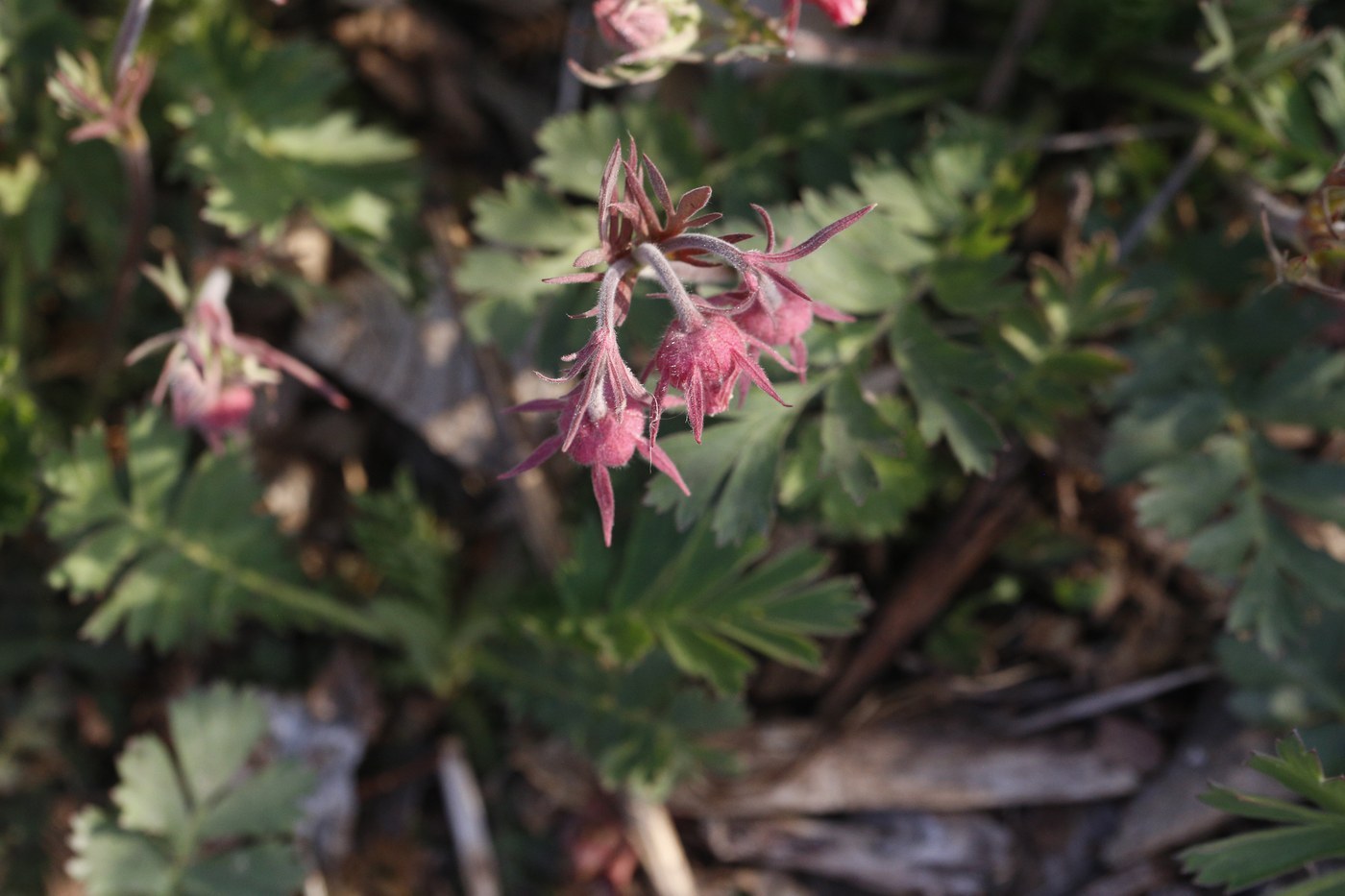
Key Identifying Features
Prairie Smoke (Geum triflorum), also called Old Man's Whiskers or Three-flowered Avens, is a low prairie perennial famous for its feathery seed heads. Key features:
- Nodding, urn-shaped flowers in dusky pink, maroon, or rose that barely open.
- Flowers typically borne in groups of three on each stalk (hence 'triflorum').
- After blooming, wispy pink-grey feathery plumes rise upright, resembling drifting smoke.
- A low basal rosette of ferny leaves; whole plant just 15–45 cm (6–18 in) tall.
Leaves & Stems
Leaves form a basal rosette and are pinnately divided (fern-like), with many small, deeply toothed leaflets along a central axis. They are soft-hairy and stay grey-green, persisting into winter and often flushing reddish in cold weather. The flowering stems are slender, hairy, and leafless or nearly so, rising above the rosette and usually branching into three nodding flowers.
Flowers & Fruit
Flowering occurs in spring (April–June). The flowers nod downward and never open widely — the fused pinkish sepals and bracts form a globe-like cup. As seeds mature, the flower turns upward and each seed develops a long, feathery pinkish style (2.5–5 cm). Massed together these styles create the characteristic smoky, hairy seed heads that catch sunlight and wind — the plant's most distinctive stage.
How to Tell It Apart from Look-Alikes
- Other avens (Geum species) have open, flat yellow or white flowers — not nodding pink urns.
- Pasque Flower (Pulsatilla) also has feathery seed heads, but its flowers open into large lavender cups and its leaves are finely dissected and very silky.
- Anemones with plumed seeds have whorled stem leaves rather than a basal fern-like rosette.
The pairing of nodding maroon-pink urn flowers in threes + a basal fern-like rosette + smoky feathery seed plumes is unmistakable.
Where You'll Find It
Prairie Smoke grows in dry prairies, open meadows, rocky slopes, and sandy or gravelly grassland across northern and western North America, from the Great Plains to the Rockies and into Canada. It prefers full sun and well-drained soil and is an early bloomer, flowering as prairies green up in spring.
Quick ID Checklist
- Nodding pink-maroon urn flowers, often in threes
- Feathery, smoke-like seed plumes after flowering
- Basal rosette of fern-like, deeply toothed leaves
- Low plant, 15–45 cm tall
- Hairy stems and leaves
- Dry, sunny prairie or rocky grassland habitat, spring
Frequently asked questions
Why is it called Prairie Smoke?
After flowering, each seed grows a long feathery pinkish-grey style. Massed together and backlit by sun and breeze, these plumes look like a low haze of smoke drifting over the prairie.
Do the flowers ever open fully?
No. The nodding pink-to-maroon flowers stay nearly closed in an urn shape; the real show comes later when they turn upright and form the feathery seed heads.
What do its leaves look like out of bloom?
Look for a low basal rosette of soft, grey-green, fern-like leaves divided into many small toothed leaflets — they persist year-round and often redden in cold.
How is it different from Pasque Flower?
Both have feathery seed heads, but Pasque Flower opens large lavender cup-shaped blooms, while Prairie Smoke has small nodding pink-maroon urns that barely open.