How to Care for Prickly Lettuce
Grow prickly lettuce (Lactuca serriola), a tough, upright annual/biennial that thrives on full sun, poor soil and near-total neglect.
Read the full Prickly Lettuce encyclopedia entry →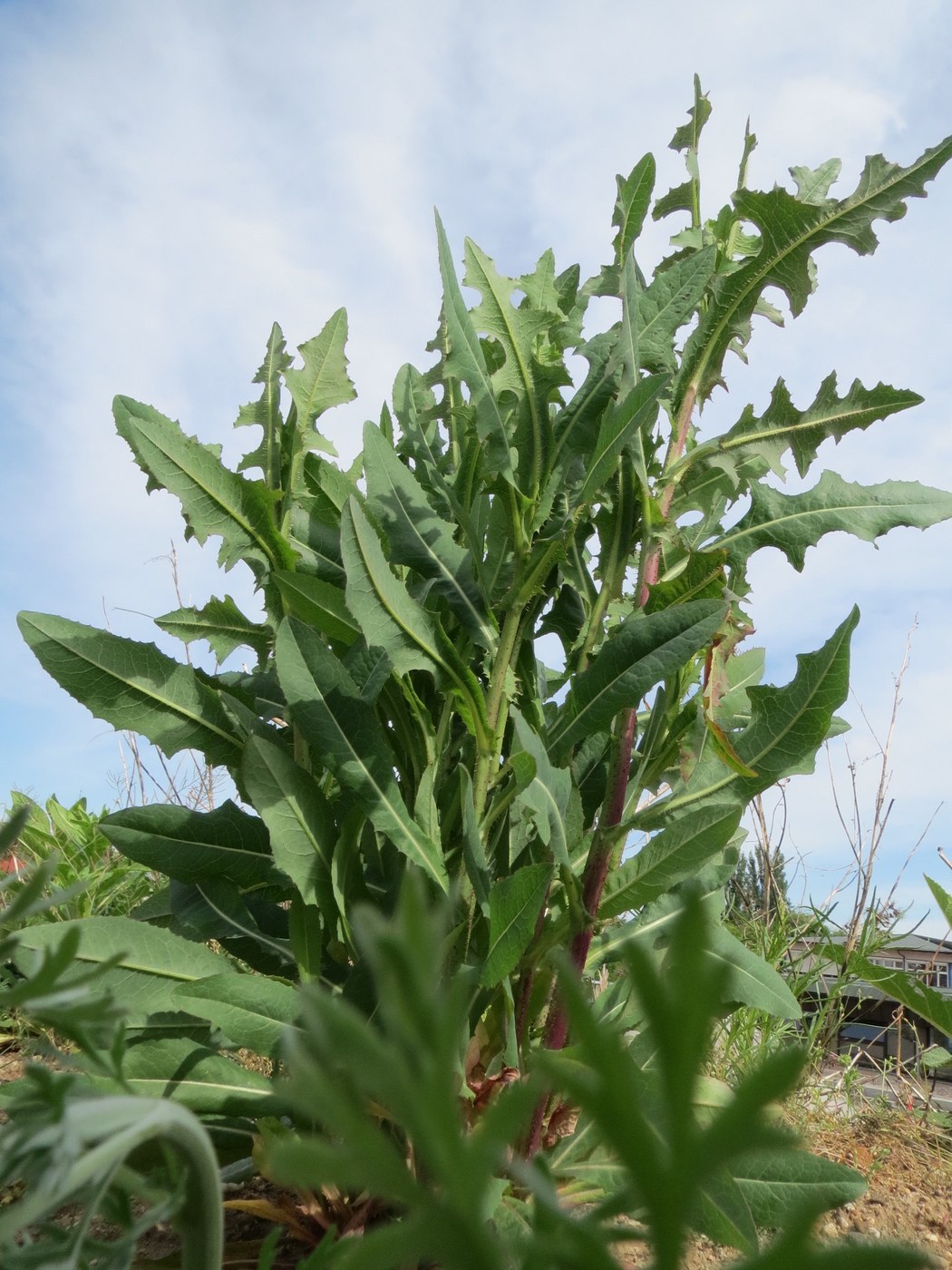
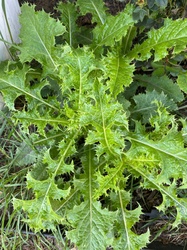
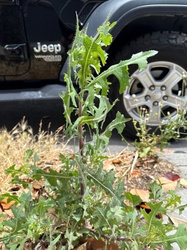
Prickly lettuce (Lactuca serriola) is a fast, upright, self-seeding annual or biennial with a rosette of spiny-margined leaves and airy, dandelion-like yellow flower heads. It is one of the easiest plants imaginable to grow, asking for little more than sun and open ground, and it is far more often managed than deliberately cultivated.
Light
Give prickly lettuce full sun. It is a pioneer of open, disturbed ground and wants at least 6-8 hours of direct light daily. In shade it grows leggy and weak and flowers poorly, so choose the brightest, most exposed spot you have.
Water
This is a genuinely drought-tolerant plant. A deep taproot lets it pull moisture from well below the surface, so established plants rarely need supplemental watering. Water only to establish seedlings; after that let the soil dry out completely between any waterings. Overwatering leads to soft, floppy growth and root problems.
Soil & Potting
Undemanding about soil, prickly lettuce tolerates poor, dry, gravelly, compacted and disturbed ground that defeats fussier plants. The one firm requirement is sharp drainage. If growing in a container, use a gritty, free-draining mix and a deep pot to accommodate the taproot. It has no need for rich or amended soil.
Humidity & Temperature
A plant of open temperate and warm climates, it is indifferent to humidity and shrugs off heat. It germinates in cool conditions, bolts and flowers in the heat of summer, and completes its cycle before hard winter. It handles light frost as a rosette but is not a plant you protect; it simply reseeds.
Feeding
No feeding is necessary or desirable. Prickly lettuce evolved on lean soils and grows lush, weak and overly tall with fertilizer. Skip it entirely.
Propagation
Propagation is by seed and it is effortless, sometimes overwhelmingly so. Each plant produces abundant wind-borne, parachute-tipped seed that spreads widely. Sow surface seed on bare ground in spring, press lightly and keep barely moist until germination. Most gardeners find it volunteers on its own; deadhead flower heads before they fluff open if you want to limit spread.
Repotting / Pruning
Because of its taproot the plant resents transplanting once past the seedling stage, so start it where it will grow. Pruning is generally about control: pinch or cut the main stem to keep it bushier and shorter, and shear off developing seed heads to prevent unchecked self-sowing.
Common Problems & Pests
Remarkably trouble-free. Aphids may cluster on tender new growth and flower stalks; hose them off or tolerate them. Powdery mildew can appear on crowded plants in humid, stagnant air, so allow good spacing and airflow. Its main 'problem' is vigor and prolific reseeding rather than any weakness.
Seasonal Care Tips
Seeds germinate in cool spring (or fall, overwintering as a rosette). The plant bolts into a tall flowering stalk through summer heat, then sets copious seed in late summer and dies. If you don't want a colony next year, cut and bag the seed heads before they open. Otherwise, do nothing and expect volunteers.
Frequently asked questions
Does prickly lettuce need watering?
Rarely. Its deep taproot makes it strongly drought-tolerant, so water only to establish seedlings and then let it fend for itself.
Why is my prickly lettuce so tall and floppy?
Usually too much water, too much fertilizer, or too little sun. Grow it lean and dry in full sun and pinch the stem to keep it more compact.
How do I stop it from spreading everywhere?
Cut and bag the flower heads before they open into fluffy seed. Each plant sheds huge amounts of wind-carried seed, so removing heads early is the key control.
Can I grow prickly lettuce in a pot?
Yes, in a deep container with a gritty, fast-draining mix to accommodate the taproot. Keep it in full sun and water sparingly.
Prickly Lettuce identified by the community
Recent Prickly Lettuce specimens identified with Plant Identifier.