
How to Care for Primrose
Grow lush, jewel-toned primroses with cool temperatures, steady moisture, and dappled shade in this complete Primula vulgaris care guide.
Read the full Primrose encyclopedia entry →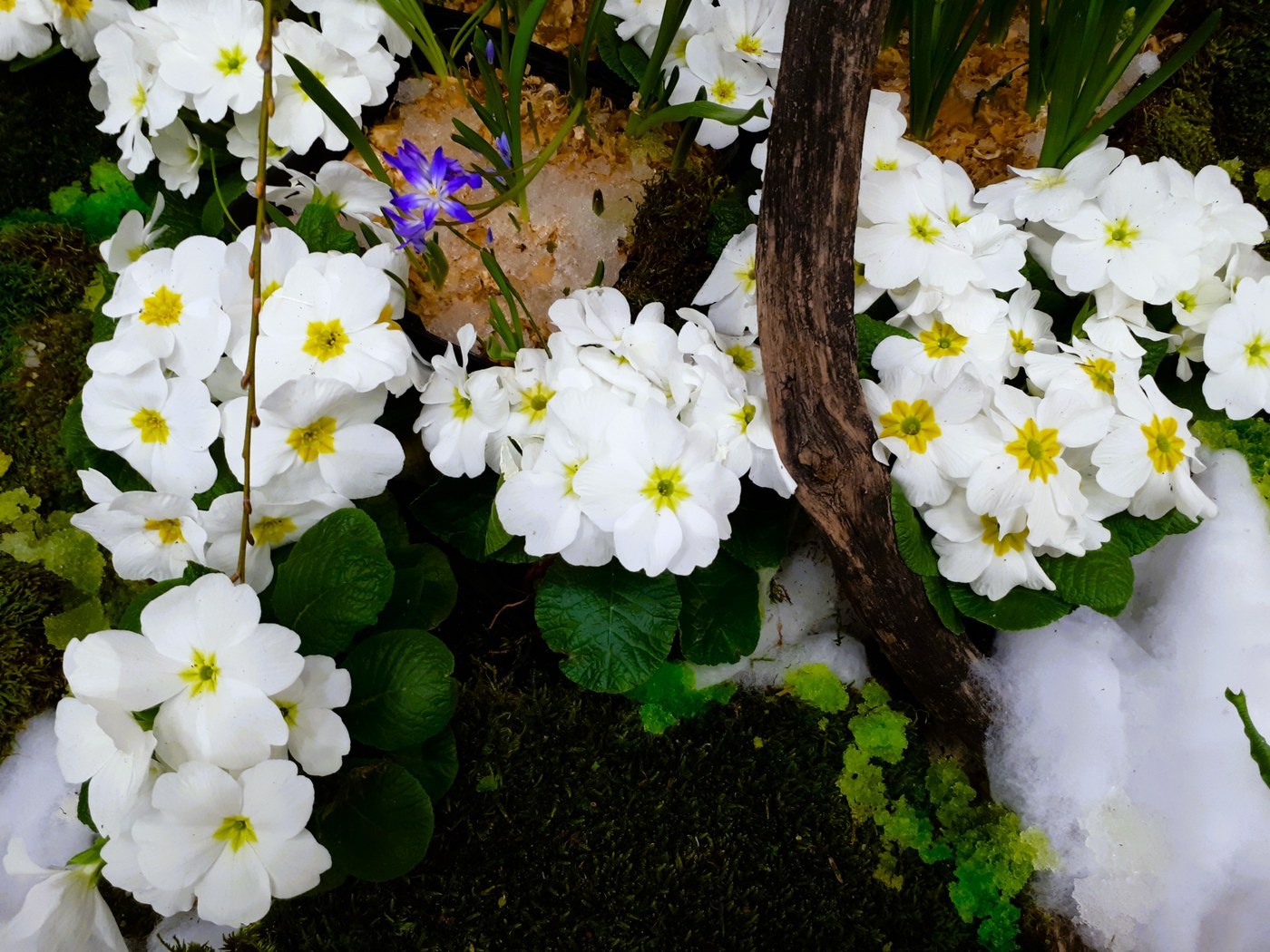
Primrose (Primula vulgaris) is a low, rosette-forming perennial prized for its cheerful early-season blooms in shades of yellow, cream, pink, and purple. It thrives in cool, humus-rich conditions and rewards steady, gentle care with weeks of flowering.
Light
Give primrose part shade to dappled light. In cooler climates it accepts more morning sun, but hot afternoon sun scorches the foliage and shortens bloom life. Indoors, place it in a bright spot out of direct midday rays. Dappled light beneath deciduous trees mimics its woodland origins perfectly.
Water
Keep the soil evenly moist at all times, but never waterlogged. Primrose has shallow roots that resent both drying out and standing water. Check the top of the soil often and water when it just begins to feel less damp. Reduce frequency in cool weather, and always empty saucers so roots never sit in water.
Soil & Potting
Use a rich, loose, humus-heavy potting mix with excellent drainage. A blend of quality potting soil with added leaf mould or compost and a little perlite works well. Slightly acidic to neutral soil suits it best. In the garden, work in plenty of organic matter to hold moisture while draining freely.
Humidity & Temperature
Primrose is a cool-season plant that flowers longest between about 10-18C (50-65F). It suffers in heat and stuffy air, so keep it away from radiators and hot windowsills. Moderate humidity is ideal; good airflow helps prevent leaf problems. In warm rooms, blooms fade quickly.
Feeding
Feed lightly during the growing and flowering season with a balanced or bloom-oriented liquid fertilizer at half strength every two to four weeks. Avoid heavy feeding, which produces soft, floppy growth. Pause feeding once flowering ends and the plant rests.
Propagation
Propagate by dividing established clumps in autumn or after flowering. Lift the plant, gently tease apart the crowns each with roots attached, and replant at the same depth. Primrose can also be grown from seed sown on the surface of moist mix and kept cool; germination is slow and benefits from a cold period.
Repotting / Pruning
Repot pot-grown primroses annually into fresh mix, ideally after flowering. Remove spent flower stalks and yellowing leaves regularly to keep the plant tidy and encourage continued blooming. Deadheading spent blooms redirects energy into new buds.
Common Problems & Pests
Watch for aphids on new growth, plus vine weevil grubs that attack roots in pots, and slugs or snails on outdoor plants. Grey mould (botrytis) can appear in damp, still conditions, so improve airflow and remove dead material. Yellowing leaves usually signal overwatering or heat stress; wilting despite moist soil points to root rot.
Seasonal Care Tips
Primrose blooms in late winter and spring. Enjoy potted plants during the cool months, keeping them out of heated rooms for the longest display. In summer, move plants to a cool, shaded spot and let them rest. Divide and refresh in autumn to build strong crowns for the next flush of flowers.
Frequently asked questions
Why are my primrose leaves wilting even though the soil is moist?
Wilting in wet soil usually means the roots are stressed by overwatering, heat, or poor drainage. Move the plant somewhere cooler, ensure the pot drains freely, and let the surface dry slightly before watering again.
Can I keep a potted primrose growing after it finishes flowering?
Yes. Deadhead spent blooms, move it to a cool shaded spot for the summer, and keep it evenly moist. Many primroses will rebloom the following season, especially if divided and refreshed in autumn.
How much light does a primrose need indoors?
Bright, indirect light is ideal. Keep it out of hot direct sun, which scorches leaves and shortens bloom life, and away from heat sources that stress this cool-loving plant.
How often should I water my primrose?
Keep the soil consistently moist but not soggy. Check daily in warm rooms and water whenever the surface starts to dry, reducing frequency in cool conditions and never leaving the pot in standing water.