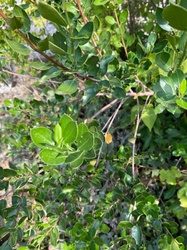
How to Care for Privet
Grow lush Privet hedges with this easy care guide covering light, watering, pruning and shaping for dense evergreen or semi-evergreen screens.
Read the full Privet encyclopedia entry →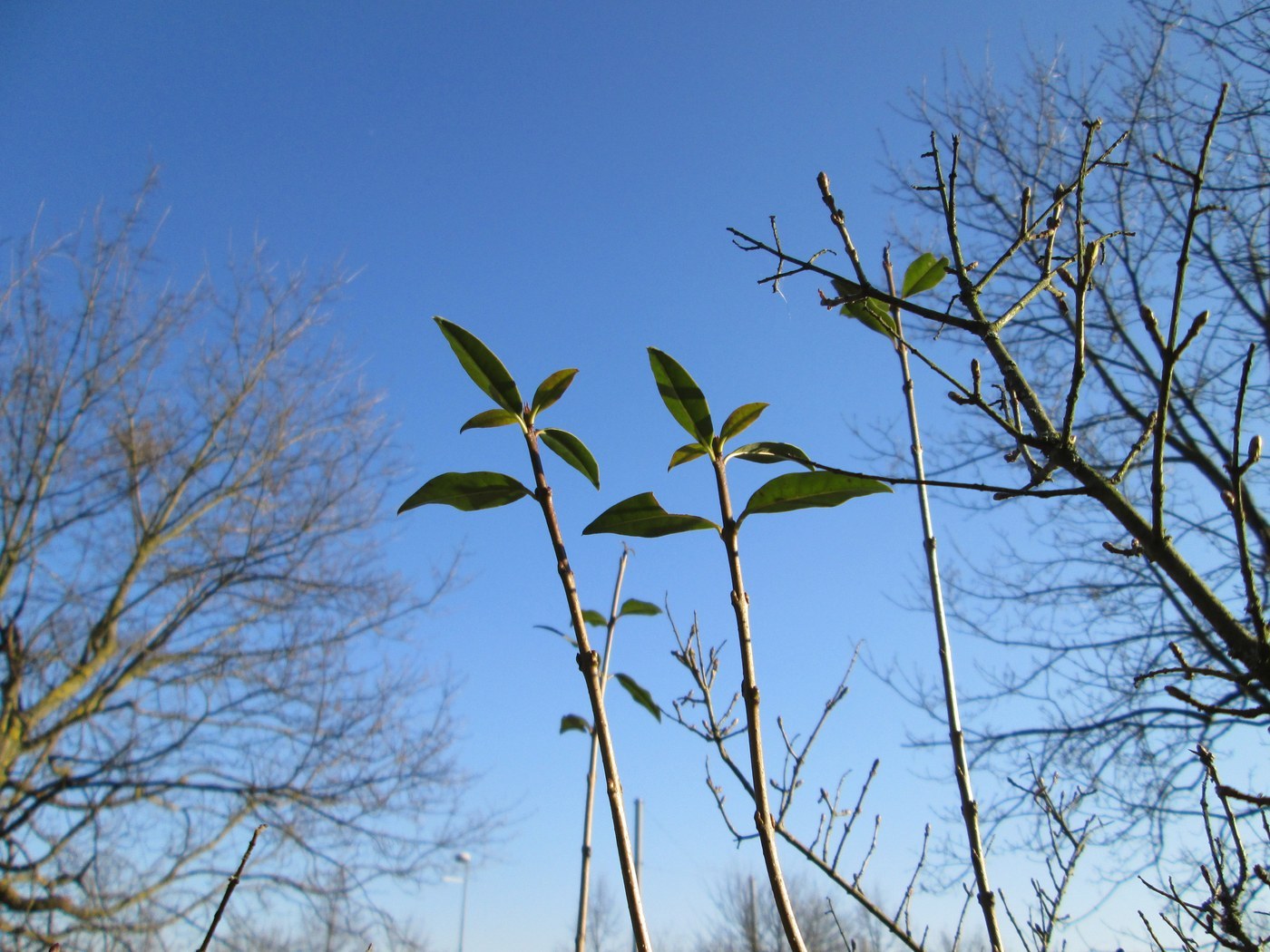
Privet (Ligustrum vulgare) is a fast-growing, adaptable shrub prized for hedging and screening. Its dense, twiggy habit takes shearing extremely well, making it one of the most forgiving formal-hedge plants for beginners.
Light
Privet performs best in full sun to part shade. In full sun it grows densest and holds the tightest form, while in partial shade it stretches slightly and produces looser, more open growth. It tolerates a wide range of exposures, which is why it thrives in almost any garden position.
Water
Water needs are medium and the plant is highly adaptable. Keep young or newly planted privet consistently moist for the first one to two growing seasons while roots establish. Once mature it withstands ordinary rainfall and short dry spells, though deep weekly watering during prolonged drought keeps foliage lush and green.
Soil & Potting
Privet is unfussy about soil and grows in clay, loam, sand, or chalk across a broad pH range. Good drainage produces the healthiest roots, but the plant tolerates heavier, periodically wet ground better than most shrubs. For container culture use a loam-based potting mix and ensure ample drainage holes.
Humidity & Temperature
This is a hardy temperate shrub that shrugs off frost and cold winters. In milder climates it holds its leaves as a semi-evergreen; in colder regions it may drop foliage and behave as deciduous. It has no special humidity requirements and copes well with wind and coastal exposure.
Feeding
Feeding is rarely essential in decent soil, but hedges pushed hard by frequent clipping benefit from a spring application of balanced slow-release granular fertilizer. A mulch of compost or well-rotted organic matter around the base each spring supplies steady nutrients and conserves moisture.
Propagation
Privet propagates very easily from cuttings. Take softwood cuttings in early summer or hardwood cuttings in late autumn and insert them into gritty, moist compost; rooting is quick and reliable. It can also be raised from seed, though cuttings give faster, more uniform hedging plants.
Repotting / Pruning
Pruning is where privet shines. For formal hedges, clip two or three times through the growing season to maintain crisp lines, tapering the sides slightly wider at the base so light reaches lower growth. It regenerates readily from old wood, so hard renovation pruning in late winter revives overgrown, bare-bottomed hedges. Container specimens need repotting every two to three years.
Common Problems & Pests
Privet is robust but can be visited by aphids, whitefly, scale, and thrips; strong hosing or insecticidal soap usually keeps them in check. Watch for privet leaf spot and honey fungus in wet or poorly drained sites. Good airflow, sensible spacing, and clearing fallen debris prevent most issues.
Seasonal Care Tips
Plant in autumn or early spring while the ground is workable. Begin the year's shearing once new growth firms up in late spring, and give a final light trim by late summer so fresh growth hardens before frost. Refresh mulch each spring and reserve any heavy renovation cuts for the dormant winter season.
Frequently asked questions
How often should I trim a privet hedge?
Two to three times during the growing season keeps a formal privet hedge dense and sharp. Begin once spring growth firms up and finish with a light trim by late summer so new shoots harden before frost.
How fast does privet grow?
Privet is a vigorous grower, often putting on 12 to 24 inches or more per year in good conditions. This speed is why it is a go-to plant for quickly establishing hedges and screens.
Can I revive an overgrown, bare privet hedge?
Yes. Privet regenerates readily from old wood, so a hard renovation cut in late winter will force fresh growth from the base and restore a leggy, bare-bottomed hedge over a season or two.
Will privet grow in shade?
It tolerates partial shade but grows densest in full sun. In shadier spots expect looser, more open growth and slightly slower fill-in, so site it in as much light as possible for a tight hedge.
Privet identified by the community
Recent Privet specimens identified with Plant Identifier.