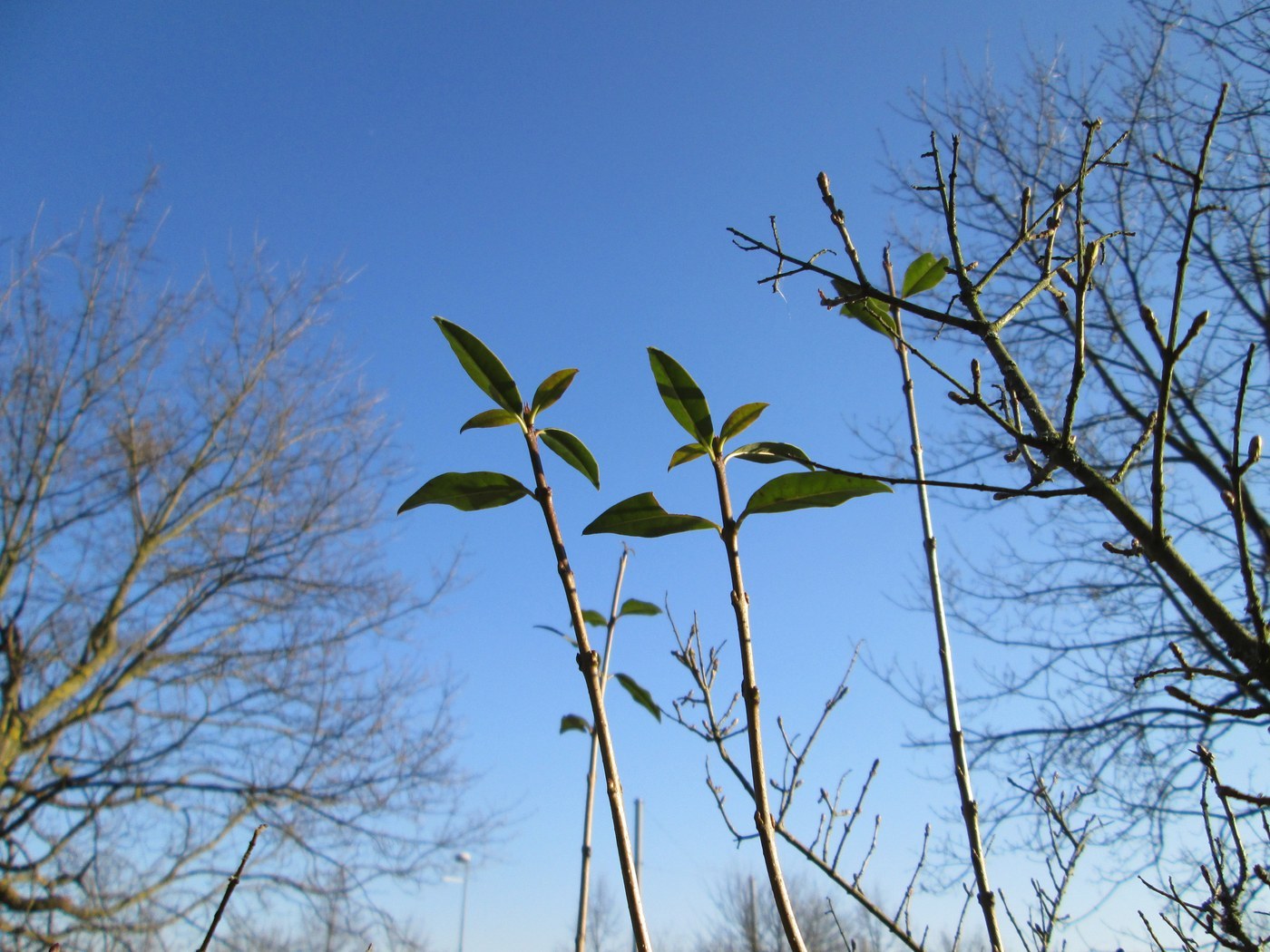
Privet
Ligustrum vulgare
A fast-growing, dense deciduous-to-semi-evergreen shrub long used for clipped hedges. It bears panicles of small white flowers and black berries, but is invasive in many regions.
- Light
- Full sun to part shade
- Water
- Medium; adaptable
- Difficulty
- Easy
Got a plant like this?
Identify any plant from a photo, free.
Overview
Privet is the classic hedging shrub, a vigorous member of the olive family in the genus Ligustrum. Common privet (Ligustrum vulgare) and related species tolerate hard, frequent shearing, which made them the backbone of formal hedges for centuries.
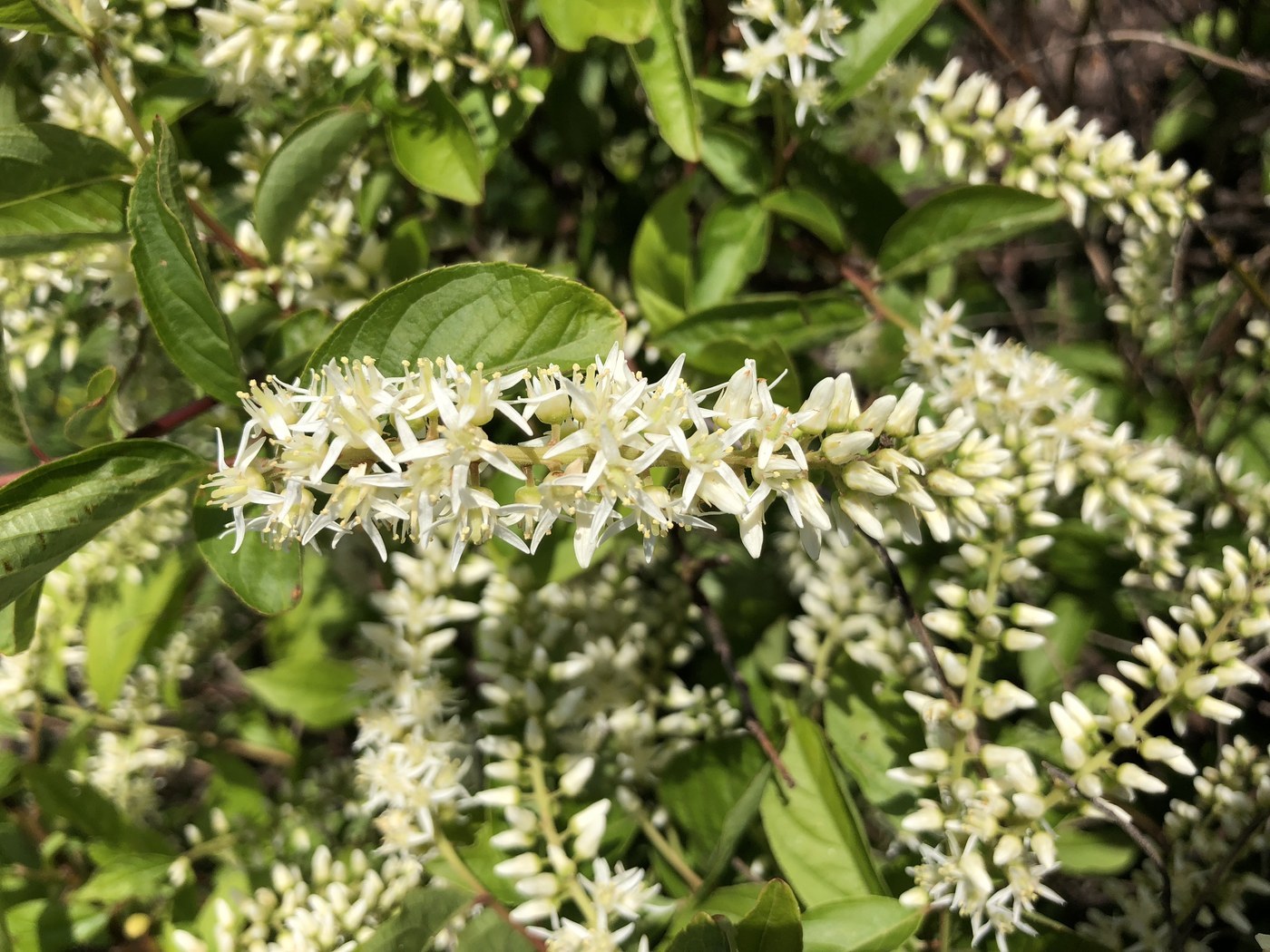
Left unclipped, privet produces dense panicles of small, strongly scented white flowers in early summer, followed by clusters of small black berries. Growth is rapid and the plants are extremely tough and adaptable.
Caution: Several privet species are invasive in North America and elsewhere, spreading by bird-dispersed seed. Consider non-invasive hedging alternatives.
How to identify it
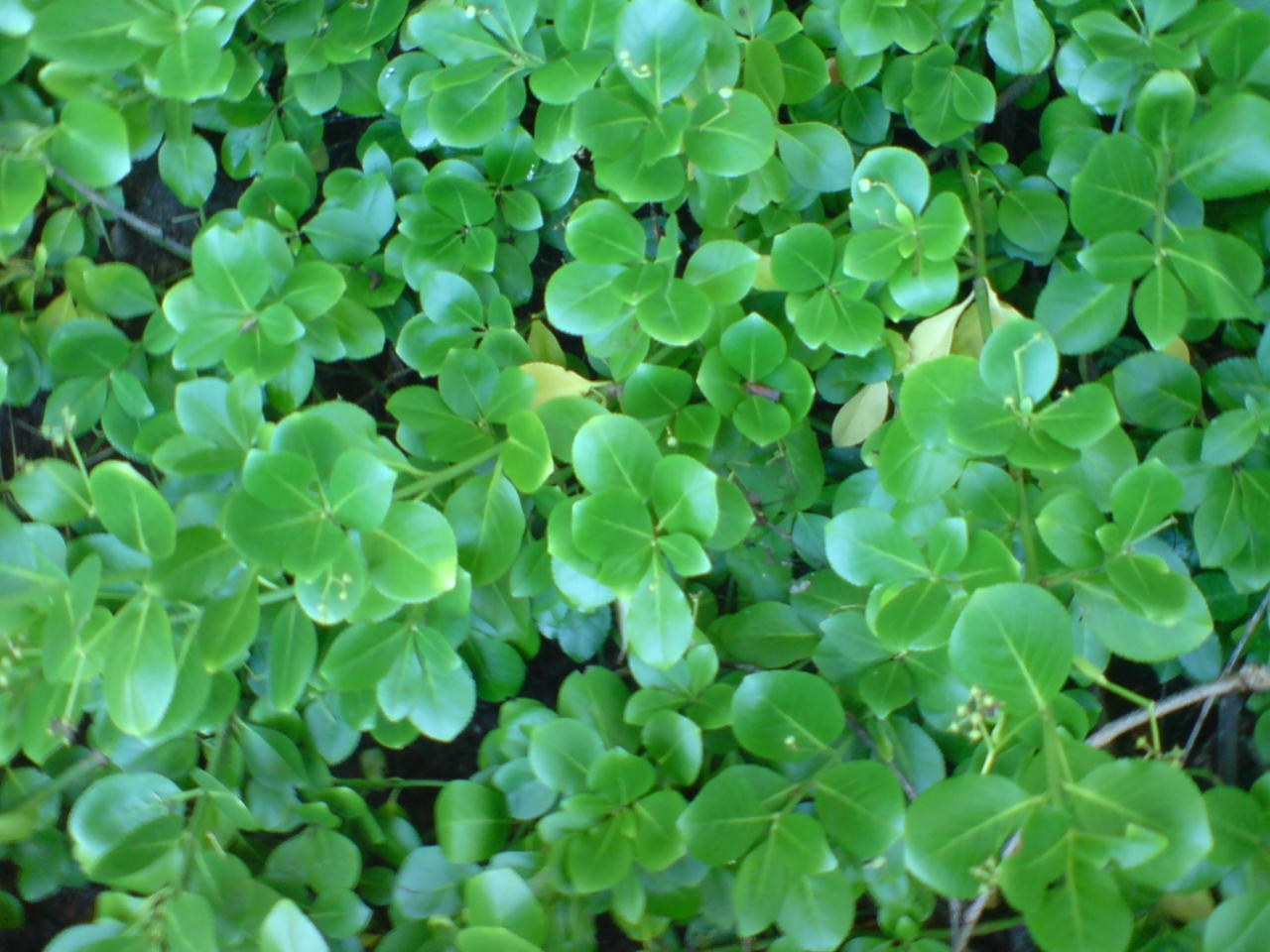
- Leaves: Opposite, oval to lance-shaped, glossy dark green, 1-2.5 in; semi-evergreen in mild climates, deciduous in cold ones
- Flowers: Dense, upright panicles of small, four-lobed white flowers in early to midsummer, with a heavy fragrance
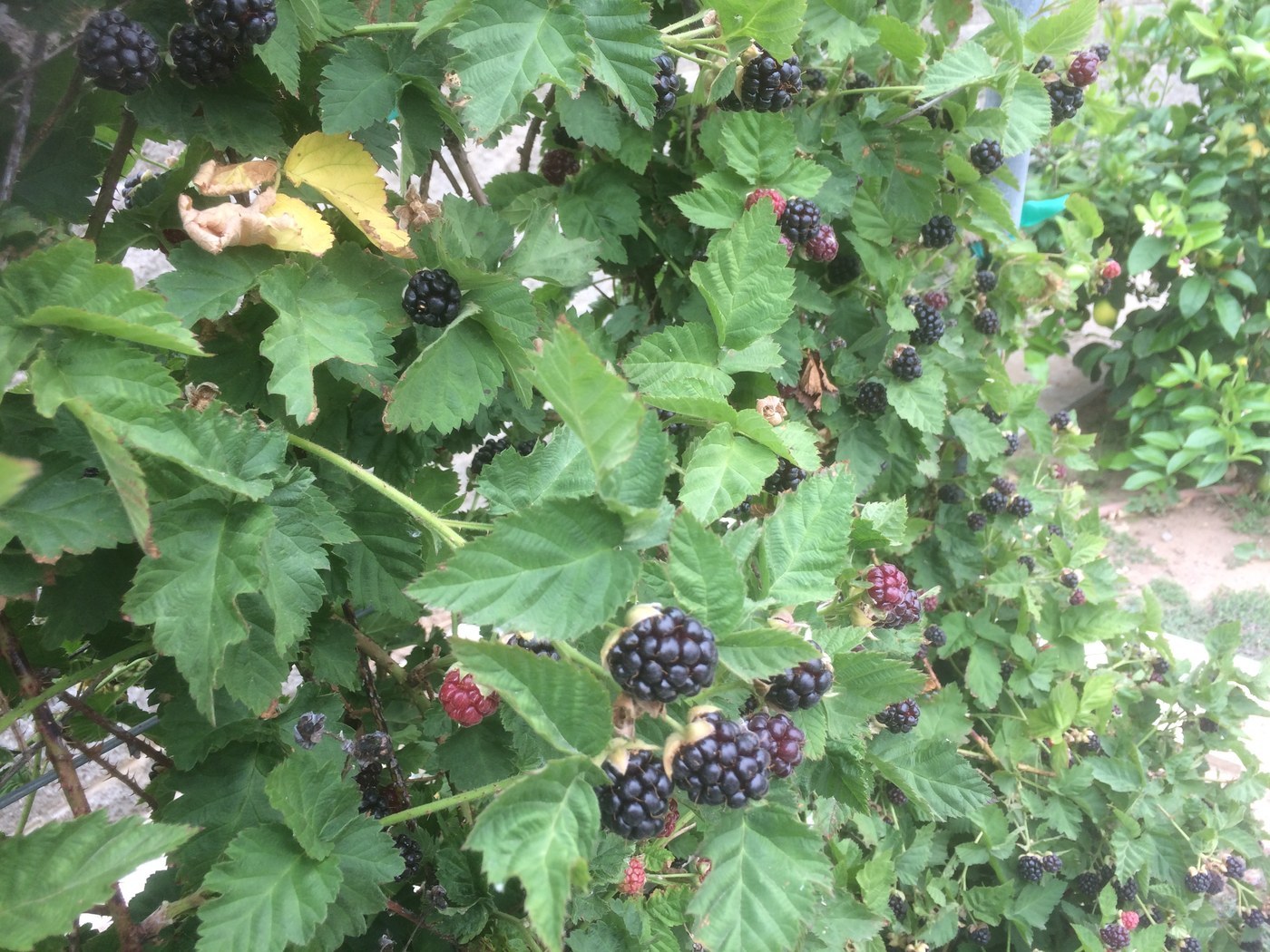
- Fruit: Clusters of small, glossy black (or bluish-black) berries in fall, persisting into winter
- Habit: Dense, twiggy, upright shrub commonly 8-15 ft if unpruned, easily kept low as a hedge
- Growth: Fast, with a thicket-forming tendency
Care & growing
Light: Full sun to part shade; denser in sun.
Water: Average moisture; very adaptable to dry and urban conditions once established.
Soil: Tolerates almost any soil, including poor, alkaline, and compacted ground.
Temperature: Hardiness varies by species, broadly USDA zones 4-8.
Feeding: Rarely needed.
Pruning: Shears extremely well and tolerates frequent, hard clipping; shape hedges several times in the growing season.
Propagation: Very easy from cuttings; the species also self-seeds prolifically, contributing to invasiveness.
Habitat & origin
Common privet is native to Europe, North Africa, and southwestern Asia, growing in hedgerows, woodland edges, and on chalky soils. Various privet species come from Europe and Asia.
Widely planted for hedging around the world, several species have escaped cultivation and become invasive in North America, Australia, and elsewhere, where birds spread the seeds into woodlands.
Frequently asked questions
Is privet invasive?
Several privet species are invasive in North America, Australia, and other regions, spreading by bird-dispersed seed. Check local guidance and consider alternatives.
How often should I trim a privet hedge?
Privet grows fast and takes hard shearing, so formal hedges may need trimming two or three times during the growing season to stay crisp.
Why doesn't my privet flower?
Frequent shearing removes the flowering shoots. Privet only blooms on unclipped growth, so tightly trimmed hedges produce few or no flowers.
Privet guides
In-depth guides for identifying, growing, and caring for Privet.
How to Care for Privet
Grow lush Privet hedges with this easy care guide covering light, watering, pruning and shaping for dense evergreen or semi-evergreen screens.
Privet Identification Guide
How to identify privet by its opposite glossy leaves, fragrant white flower clusters, and dense clusters of blue-black berries.