How to Care for Pumpkin
Grow big, healthy pumpkins with full sun, warm soil, deep weekly watering, and room for sprawling vines to run.
Read the full Pumpkin encyclopedia entry →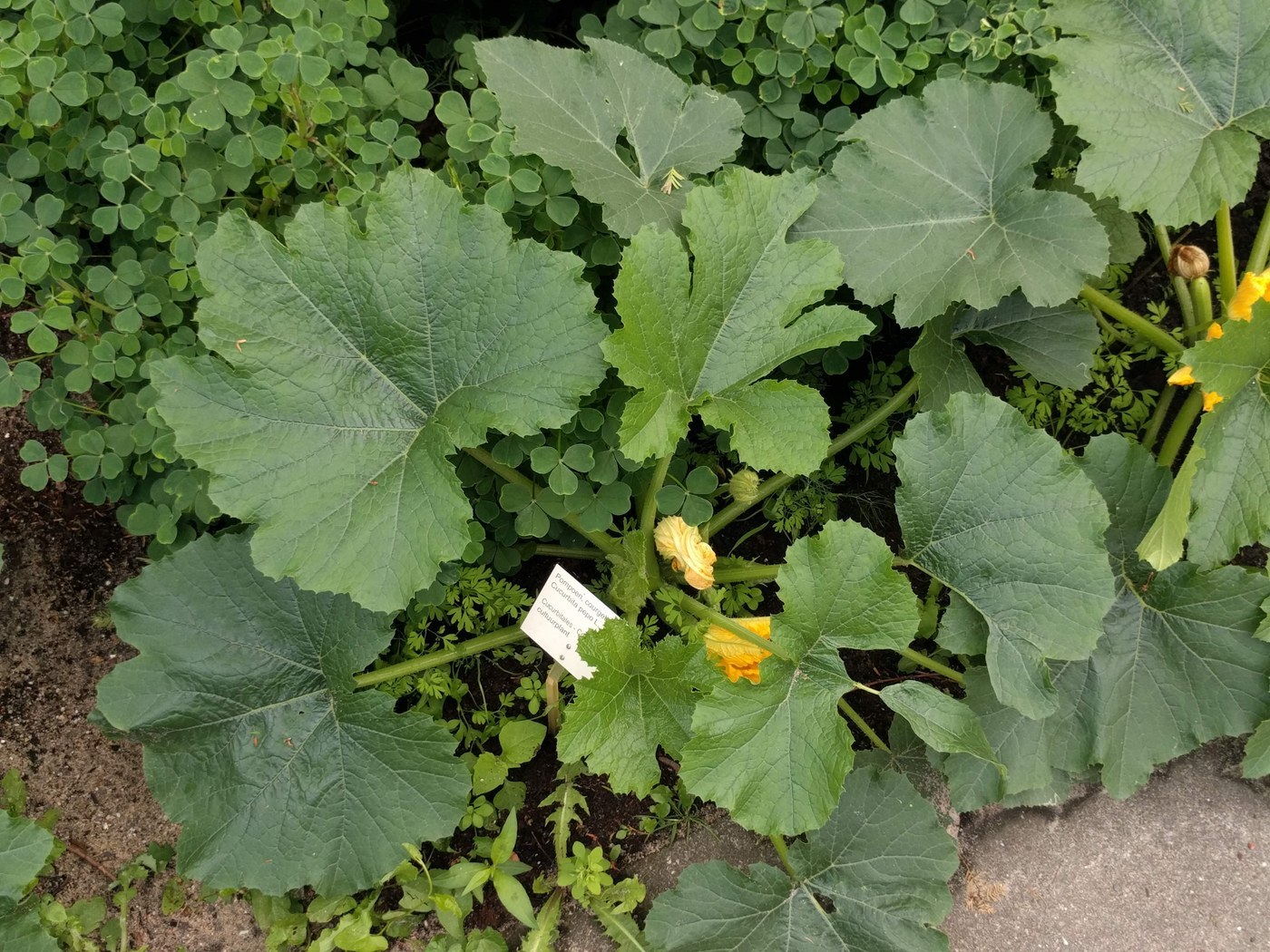
Pumpkins (Cucurbita pepo) are vigorous, warm-season annual vines that reward growers with sprawling foliage, cheerful yellow flowers, and the familiar orange fruit. They are easy to grow when given plenty of sun, space, and steady moisture.
Light
Pumpkins demand full sun, meaning at least 6-8 hours of direct light per day. More sun produces stronger vines, better pollination, and larger fruit. In too much shade, plants stretch, flower poorly, and are far more prone to mildew. Choose the brightest, most open spot in the garden.
Water
Give pumpkins deep, regular watering of roughly 1-2 inches per week, increasing during hot, dry spells and while fruit is swelling. Water at the base early in the day and avoid wetting the foliage, which invites disease. Consistent moisture prevents blossom drop and misshapen fruit, but the soil should never stay waterlogged. Ease off slightly as fruit nears full color to help the rind cure.
Soil & Potting
Plant in rich, loose, well-drained soil high in organic matter. Pumpkins are heavy feeders, so work generous compost or aged manure into the planting hill before sowing. A slightly acidic to neutral pH around 6.0-6.8 is ideal. Traditional "hills" or low mounds warm faster and improve drainage; space hills 4-8 feet apart to accommodate the long vines. Container growing is possible only in very large tubs with bush or mini varieties.
Humidity & Temperature
This is a heat-loving crop that grows best between 65-95F. Seeds germinate reliably only once soil has warmed to about 65F or higher, so wait until all frost danger has passed. Frost kills vines quickly. Warm days and moderate humidity suit them, but overly humid, stagnant conditions encourage powdery mildew, so ensure good airflow.
Feeding
Because pumpkins are hungry plants, feed regularly through the season. Start with a balanced fertilizer as vines establish, shift toward a higher-nitrogen feed during leafy growth, then move to a bloom-and-fruit formula higher in phosphorus and potassium once flowering begins. Side-dress with compost midseason. Avoid excess nitrogen late in the season, which pushes leaves at the expense of fruit.
Propagation
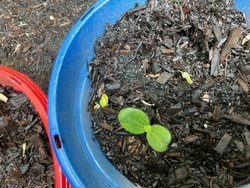
Pumpkins are grown from seed. Sow directly into warm garden soil after frost, planting seeds about 1 inch deep, or start indoors 2-3 weeks early in biodegradable pots to avoid disturbing the sensitive roots when transplanting. Thin to the strongest one or two seedlings per hill. Seeds saved from open-pollinated plants can carry over year to year, though cross-pollination among squash relatives makes results unpredictable.
Repotting / Pruning
Pumpkins are annuals and are not repotted. Light pruning helps: pinch off the fuzzy growing tips once several fruit have set to redirect energy into sizing them up, and remove any late small fruit that will not mature. Training vines to run in one direction keeps beds tidy. Slip a board or straw under developing fruit to keep the rind clean and reduce rot where it rests on damp soil.
Common Problems & Pests
Powdery mildew is the most common issue, coating leaves in white; improve spacing and airflow and water at the base to limit it. Squash bugs, squash vine borers, cucumber beetles, and aphids can all attack; inspect stems and undersides of leaves and act early. Poor fruit set usually signals weak pollination, often solved by encouraging bees or hand-pollinating female flowers with a male bloom in the morning. Blossom-end rot points to uneven watering or calcium issues.
Seasonal Care Tips
Start the season after your last frost with warm soil and steady moisture. Through summer, keep vines fed and watered while managing mildew and pests. As days shorten in autumn, reduce watering to help fruit cure and develop a hard, deep-colored rind. Harvest before hard frost, cutting fruit with a length of stem attached, and let vines die back naturally.
Frequently asked questions
How much space does a pumpkin plant need?
A lot. Standard vining varieties can run 10-20 feet, so space hills 4-8 feet apart. If space is tight, choose bush or miniature types bred for compact growth.
Why are my pumpkin flowers falling off without making fruit?
The first flush of flowers is usually male and naturally drops. Fruit only forms on female flowers once bees or hand-pollination move pollen. Poor pollination is the most common cause of dropped young fruit.
When should I plant pumpkin seeds?
Wait until all frost has passed and the soil has warmed to at least 65F. Count back from your first fall frost; most pumpkins need 90-120 warm days to mature.
How do I get bigger pumpkins?
Give full sun, rich soil, steady deep watering, and regular feeding. Then limit each vine to one or two fruit and pinch the vine tips so the plant channels its energy into sizing those up.
Pumpkin identified by the community
Recent Pumpkin specimens identified with Plant Identifier.