Pumpkin
Cucurbita pepo
Pumpkin is a sprawling warm-season vine in the gourd family, grown for its large, ribbed orange fruits popular in autumn displays and decoration. It is one of the easiest and most rewarding garden crops where space allows.
- Light
- Full sun
- Water
- Deep, regular; 1-2 inches weekly
- Difficulty
- Easy
Got a plant like this?
Identify any plant from a photo, free.
Overview
The pumpkin is the large, round fruit of certain Cucurbita species, most commonly Cucurbita pepo but also C. maxima and C. moschata. "Pumpkin" is a culinary and cultural term rather than a strict botanical one.
Native to the Americas, pumpkins were among the earliest domesticated crops and are central to North American harvest traditions and autumn decoration, from carved jack-o'-lanterns to fall displays.
The plants are vigorous trailing vines that can cover many square meters in a single season.
How to identify it
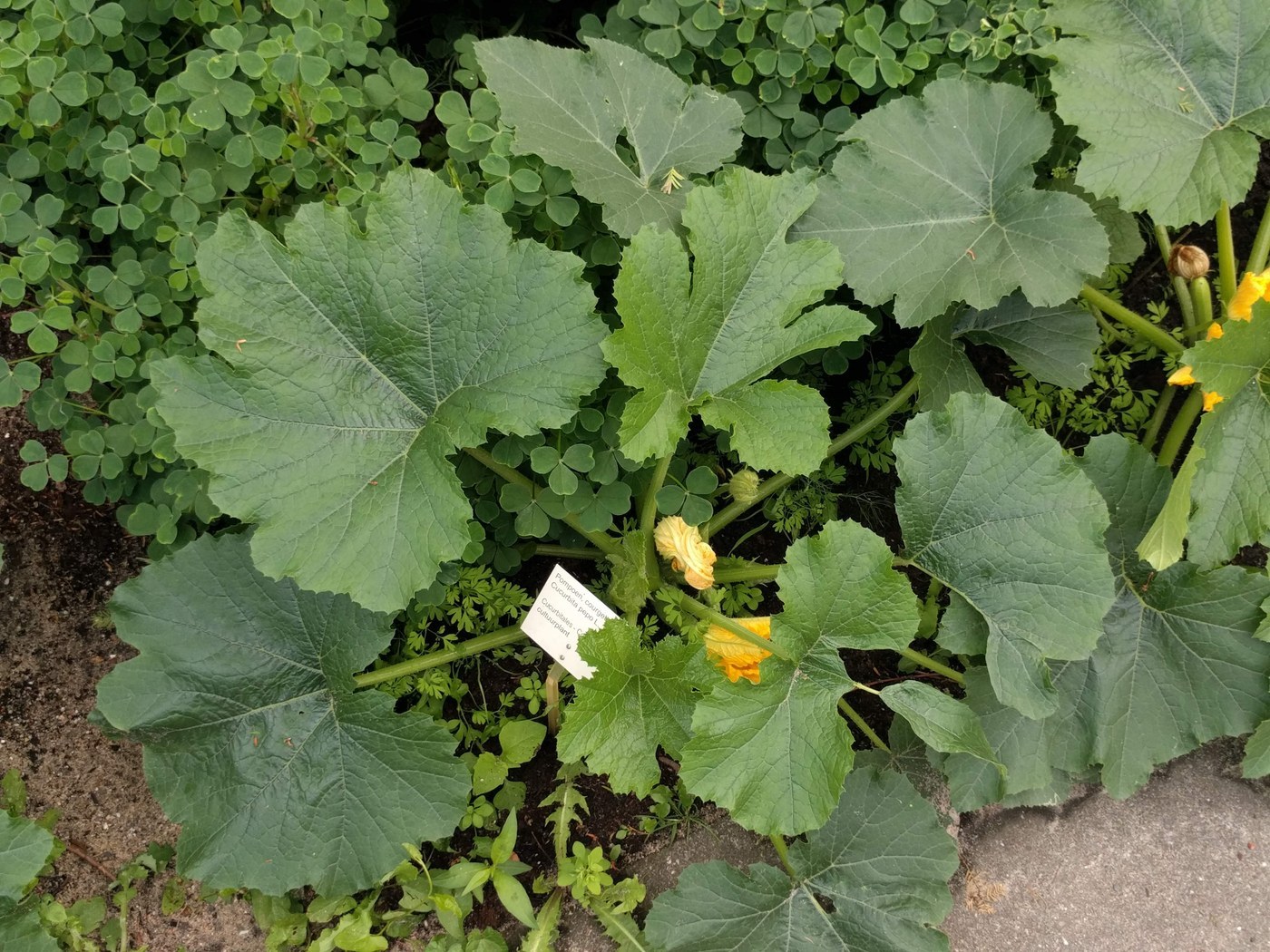
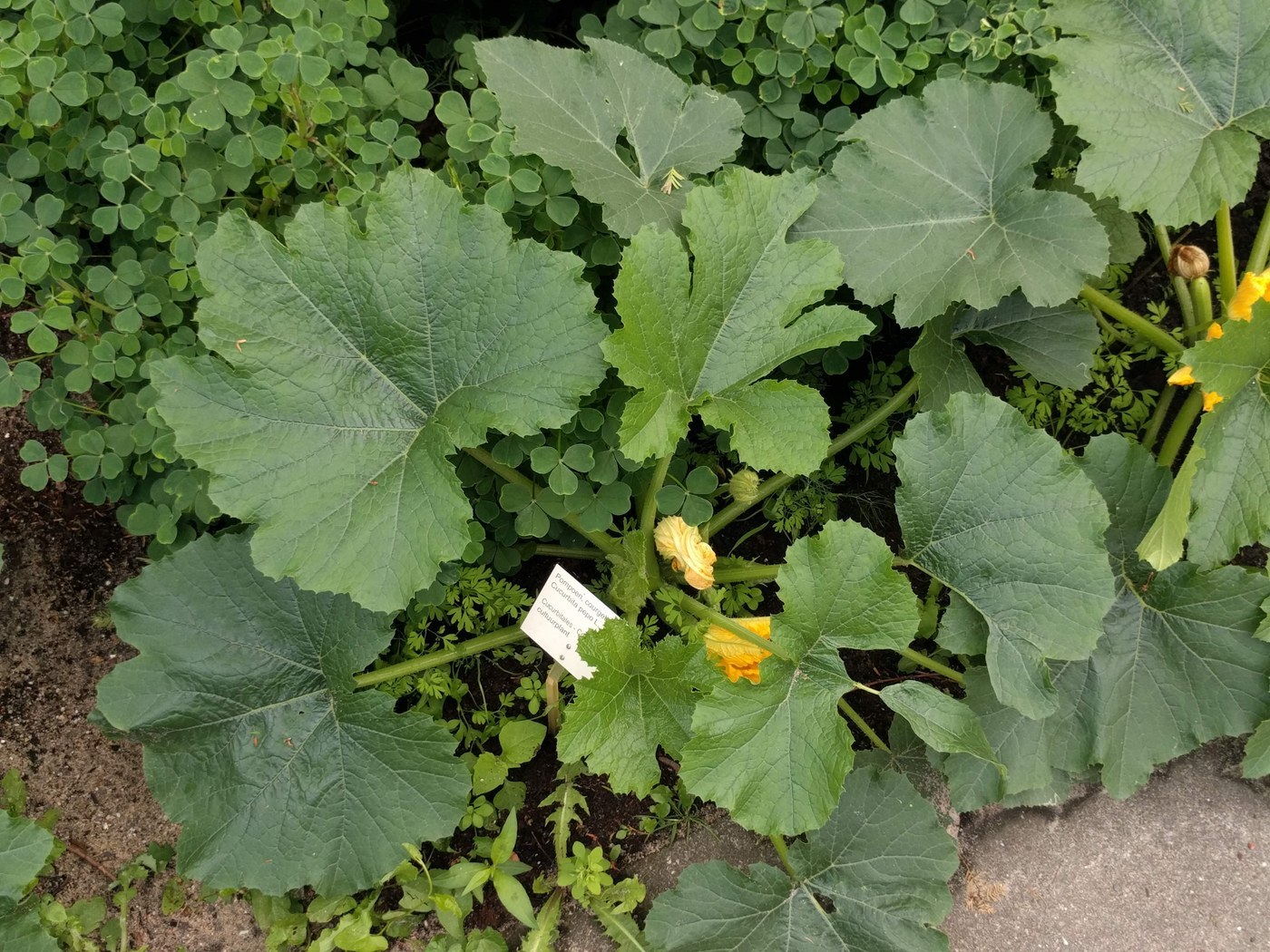
- Habit: Long, trailing or sprawling vine, often 3-6 m (10-20 ft), with branching tendrils
- Stems: Thick, hollow, prickly and angular
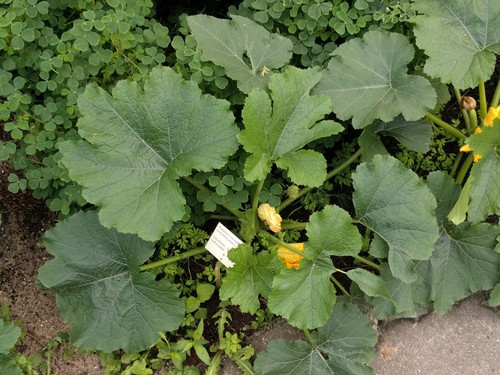
- Leaves: Very large, lobed, rough-textured and dark green, sometimes with silvery mottling
- Flowers: Large, bright yellow-orange; separate male and female blooms on the same plant
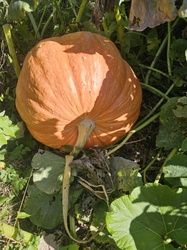
- Fruit: Large, ribbed, typically orange but also white, green, tan or blue; hard rind enclosing fibrous flesh and flat seeds
Care & growing
Light: Full sun for the best fruit set and size.
Water: Water deeply and regularly at the base; avoid wetting foliage to limit mildew.
Soil: Rich, well-drained soil amended with plenty of compost or manure; pH 6.0-6.8.
Temperature: Warm-season crop; sow after all frost danger when soil is above 18°C (65°F).
Feeding: Heavy feeder; use balanced fertilizer early, then more potassium and phosphorus as fruit forms.
Propagation: Direct-sow seed in warm soil, often on mounds or hills, giving each plant ample room.
Habitat & origin
Pumpkins originated in the Americas, with domestication in Mexico and the central United States dating back thousands of years. They were a staple of Indigenous agriculture as part of the "Three Sisters" alongside corn and beans.
Today they are grown across temperate and subtropical regions worldwide and are especially associated with autumn harvests in North America and Europe.
Frequently asked questions
Why does my pumpkin vine flower but set no fruit?
Early flowers are usually male. Female flowers (with a tiny fruit at the base) appear later and need pollination, so encourage bees or hand-pollinate.
How much space does a pumpkin need?
A lot. Standard varieties need several square meters per plant, though compact bush types exist for small gardens.
When are pumpkins ready to pick?
Pick when the rind is fully colored and hard enough to resist a fingernail, and the stem has dried. Cure them in the sun for longer storage.
Pumpkin guides
In-depth guides for identifying, growing, and caring for Pumpkin.
How to Care for Pumpkin
Grow big, healthy pumpkins with full sun, warm soil, deep weekly watering, and room for sprawling vines to run.
Pumpkin Identification Guide
How to identify pumpkin (Cucurbita species) by its sprawling bristly vines, large lobed leaves, big yellow flowers, and ribbed orange fruit.
Pumpkin identified by the community
Real specimens identified with Plant Identifier.