
How to Care for Purple Coneflower
Grow Purple Coneflower (Echinacea purpurea), a sun-loving, drought-tolerant prairie perennial with bold daisy-like blooms and spiny cones.
Read the full Purple Coneflower encyclopedia entry →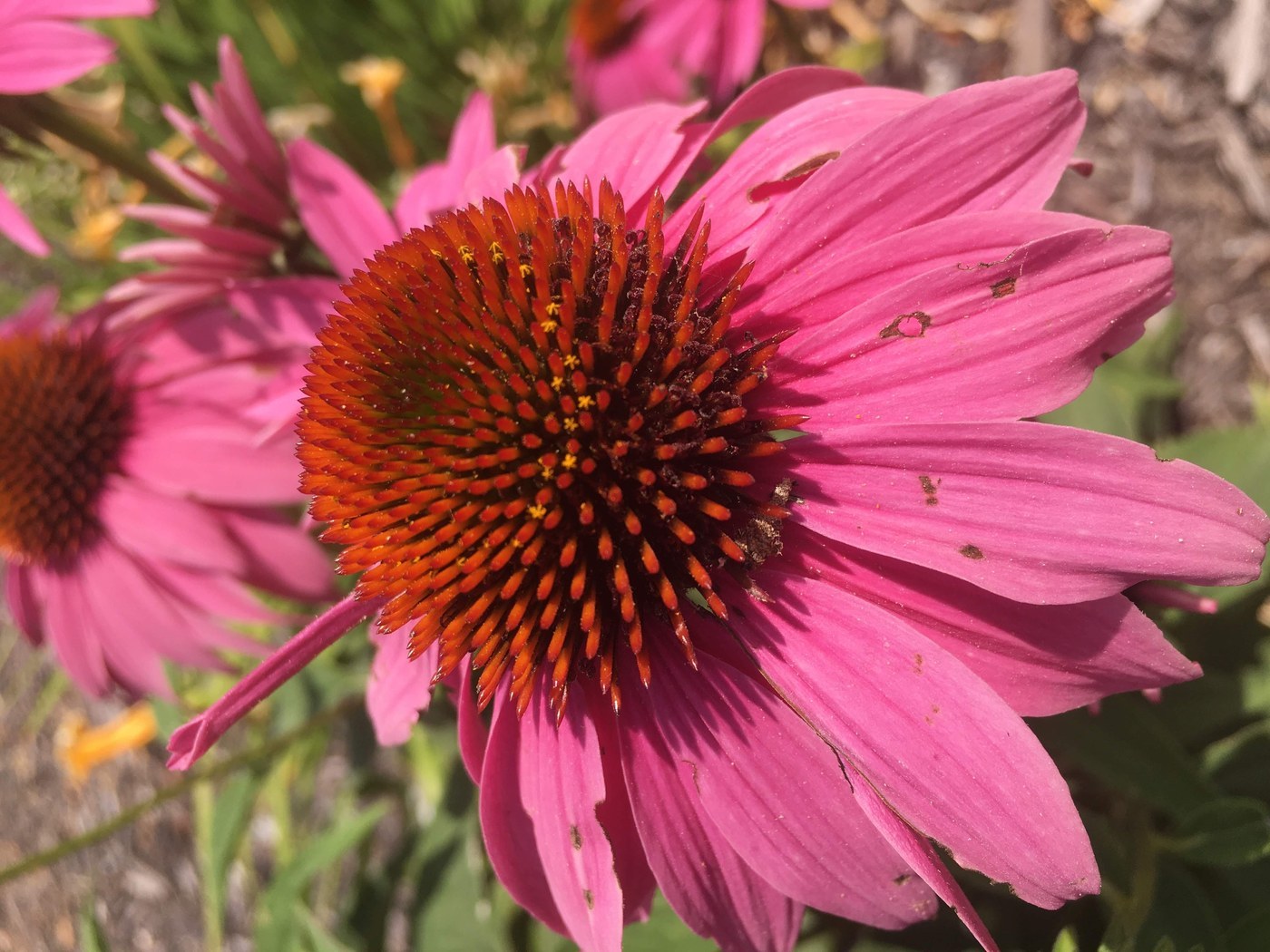
Purple Coneflower (Echinacea purpurea) is a rugged North American prairie perennial beloved for its large rosy-purple, daisy-like flowers with prominent orange-brown central cones. It is one of the easiest and most rewarding sunny-border plants, blooming for weeks and standing up to heat and drought.
Light
Give Purple Coneflower full sun for the best performance. At least six hours of direct sun produces sturdy, upright stems and abundant flowers. In too much shade the plants stretch, flop, and bloom sparsely, so choose your sunniest bed for them.
Water
This is a low-water, drought-tolerant plant once established. Water regularly the first season to build a deep root system, then scale back. Established clumps get by on rainfall in most climates and only need supplemental water during prolonged drought. Avoid overwatering and soggy soil, which is the fastest way to lose them.
Soil & Potting
Plant in average to lean, well-drained soil. Coneflowers actually prefer soil that is not too rich; overly fertile ground produces soft, floppy growth. They handle clay, loam, and sandy soils as long as drainage is good, and tolerate a wide pH range. Do not amend heavily; sharp drainage matters more than fertility.
Humidity & Temperature
A hardy prairie native, Purple Coneflower thrives in USDA zones 3 through 9 and withstands both cold winters and hot, humid summers. It needs no special humidity care. Good air circulation between plants helps keep foliage clean in muggy climates.
Feeding
Feeding needs are minimal. A thin topdressing of compost in spring is plenty. Skip rich or high-nitrogen fertilizers, which encourage lanky stems and fewer flowers. Lean conditions actually give you sturdier, more floriferous plants.
Propagation
Propagate by seed, division, or root cuttings. Seed sown in autumn or cold-stratified before spring sowing germinates well. Divide established clumps in spring or early autumn every three to four years to rejuvenate them. You can also take root cuttings in late autumn from vigorous plants.
Repotting / Pruning
Deadhead spent blooms through summer to encourage more flowers and a tidier look, or leave the seed heads standing in autumn for winter structure and to attract birds. Cut stems back after they finish, either in late autumn or in early spring before new growth emerges. Divide crowded clumps to keep them vigorous.
Common Problems & Pests
Generally trouble-free. In wet or poorly drained soil, root and crown rot are the main risks, so prioritize drainage. Powdery mildew and leaf spot can appear in humid conditions with crowded plants; improve spacing and airflow. Aphids may cluster on new growth and can be rinsed off. Aster yellows, a disease that causes deformed green blooms, occasionally shows up and affected plants should be removed.
Seasonal Care Tips
In spring, cut back old stems, divide crowded clumps, and topdress lightly with compost. Through summer, deadhead for continued bloom and water only during real drought. In autumn, leave some seed heads standing for winter interest or tidy the bed. In winter the plant is fully dormant and hardy, needing no protection in its range.
Frequently asked questions
Should I deadhead Purple Coneflower?
It's optional. Deadheading encourages more blooms and a neater plant, but leaving the seed heads standing provides winter interest and food for birds. Many gardeners do a mix of both.
Why are my coneflowers flopping over?
Usually too much shade or overly rich soil. Move them to full sun and avoid high-nitrogen fertilizer; lean soil and strong light produce sturdy, upright stems.
How often should I divide Purple Coneflower?
Every three to four years in spring or early autumn. Dividing rejuvenates crowded clumps, improves flowering, and gives you free plants.
Can Purple Coneflower handle drought?
Yes, once established. Water regularly the first season to build deep roots, after which it is quite drought-tolerant and needs extra water only in prolonged dry spells.