
How to Care for Purple Deadnettle
Purple deadnettle (Lamium purpureum) is an easy, fast-spreading low grower with soft purple-tinged leaves and small hooded flowers.
Read the full Purple Deadnettle encyclopedia entry →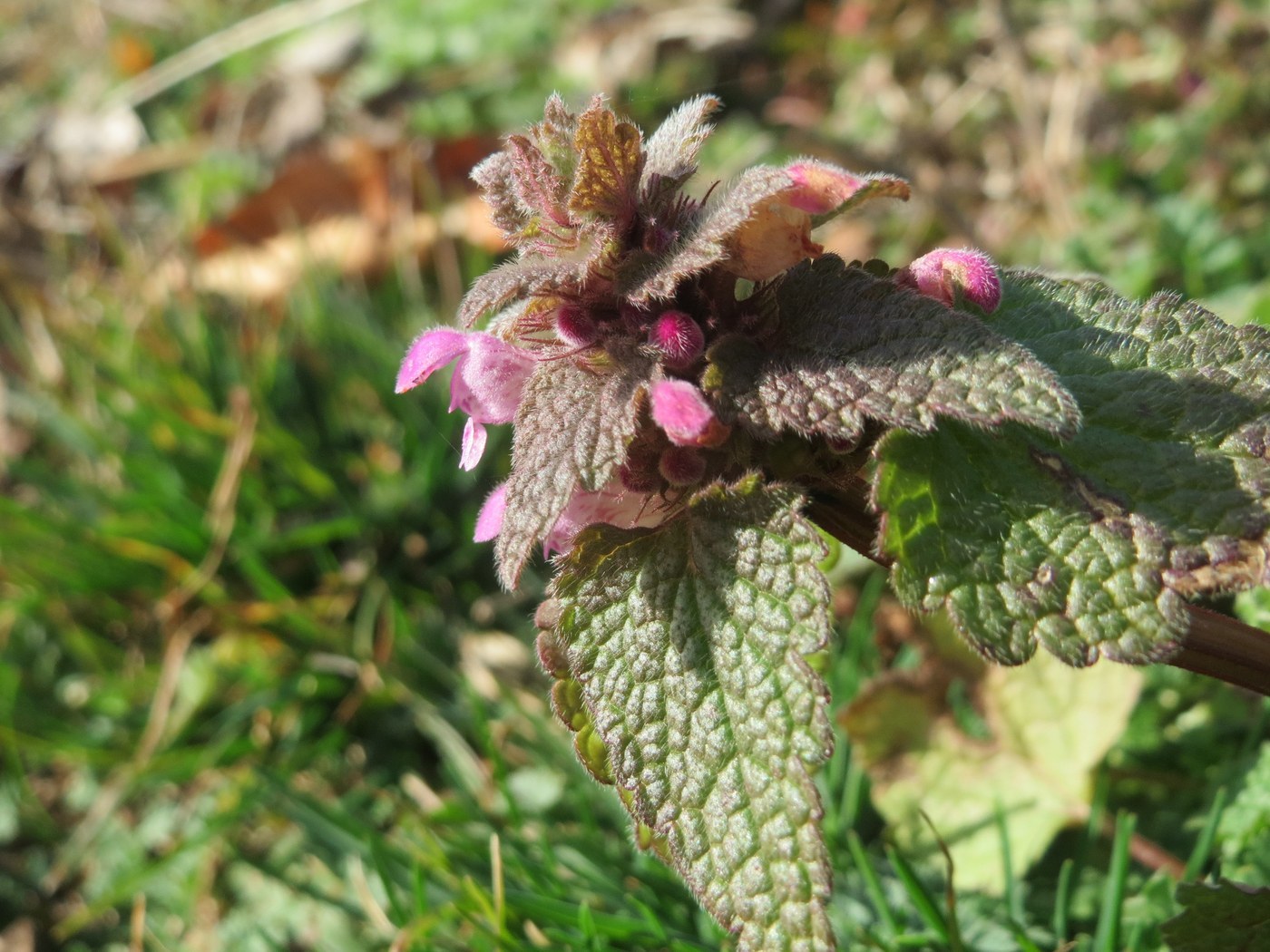
Lamium purpureum, purple deadnettle, is a low-growing member of the mint family with soft, scalloped leaves that flush purple toward the top of the stem and small pink-purple hooded flowers. Despite the name, it has no sting, and it is an extremely easy, vigorous grower often used as a soft ground-covering plant.
Light
Purple deadnettle grows in full sun to part shade, making it very adaptable. In full sun the foliage takes on stronger purple tones and plants stay more compact, while in partial shade growth is lusher and greener. It tolerates dappled woodland light well, which suits its use as an underplanting.
Water
Water moderately and aim for consistently moist soil, especially during active spring growth. Purple deadnettle prefers cool, damp conditions and can wilt quickly in prolonged dry spells. It is forgiving, though, and usually recovers after a good soak. In containers, keep the mix evenly moist but not waterlogged.
Soil & Potting
This plant is unfussy about soil and thrives in average to rich, moisture-retentive ground. It appreciates soil with some organic matter that holds moisture yet still drains. In pots, a standard potting mix works well. Because it spreads readily, contain it where you do not want it to roam.
Humidity & Temperature
A cool-season grower, Lamium purpureum is most active in the mild temperatures of spring and autumn and slows or dies back in summer heat. It is very cold-hardy, tolerating frost easily, and often stays green through mild winters. Average outdoor humidity suits it; it particularly enjoys the damp, cool air of shaded spots.
Feeding
Feeding is rarely necessary. In reasonably fertile soil purple deadnettle grows vigorously on its own. If foliage looks pale in poor soil, a light application of balanced fertilizer or a topdressing of compost in spring is more than enough. Avoid heavy feeding, which only fuels its already fast spread.
Propagation
Propagation is effortless. Purple deadnettle self-seeds prolifically and also roots wherever stems touch moist soil. To propagate deliberately, divide clumps in spring or autumn, or lift rooted stem sections and replant them. Seed sown on the surface of moist soil germinates readily in cool conditions.
Repotting / Pruning
In containers, refresh or divide plants each spring as they fill out. To keep it tidy and prevent unwanted spread, shear plants back after the main flush of flowers; this also encourages fresh, compact regrowth. Because it self-seeds so freely, removing spent flowers before seed sets is the main way to keep it in bounds.
Common Problems & Pests
Purple deadnettle is largely trouble-free and rarely bothered by serious pests. Its main drawback is vigor: it can spread aggressively by seed and rooting stems, so site it where that is welcome or contain it. In hot, dry conditions it wilts and can look ragged; cut it back and water to refresh. Occasional aphids may appear but are easily rinsed off.
Seasonal Care Tips
Expect the strongest growth and flowering in spring and again in autumn. Shear back after spring bloom to keep plants neat and reduce self-seeding. Through summer heat, keep soil moist and accept some die-back, cutting away tired growth. In mild climates it may hold its foliage through winter; tidy it in late winter before the spring surge.
Frequently asked questions
Is purple deadnettle related to stinging nettle?
No. Despite the similar leaf shape, Lamium purpureum is in the mint family and has no sting. The name 'deadnettle' simply reflects that it lacks the stinging hairs of true nettles.
How do I stop purple deadnettle from spreading?
Shear plants back before they set seed, remove rooted stem sections, and grow it in a contained bed or pot. Its main way of spreading is by self-seeding and by rooting where stems touch moist soil.
Why does my deadnettle wilt in summer?
It is a cool-season grower that dislikes heat and dryness. Keep the soil consistently moist, give it some afternoon shade, and cut back ragged growth; it usually revives when cooler, damper weather returns.
Can I grow purple deadnettle in a container?
Yes. Use a standard potting mix kept evenly moist, and site the pot in full sun to part shade. Containers also help keep this vigorous spreader in check.