
How to Care for Purslane
Purslane is a tough, low-growing succulent for hot, sunny spots, thriving on lean soil, heat, and minimal water.
Read the full Purslane encyclopedia entry →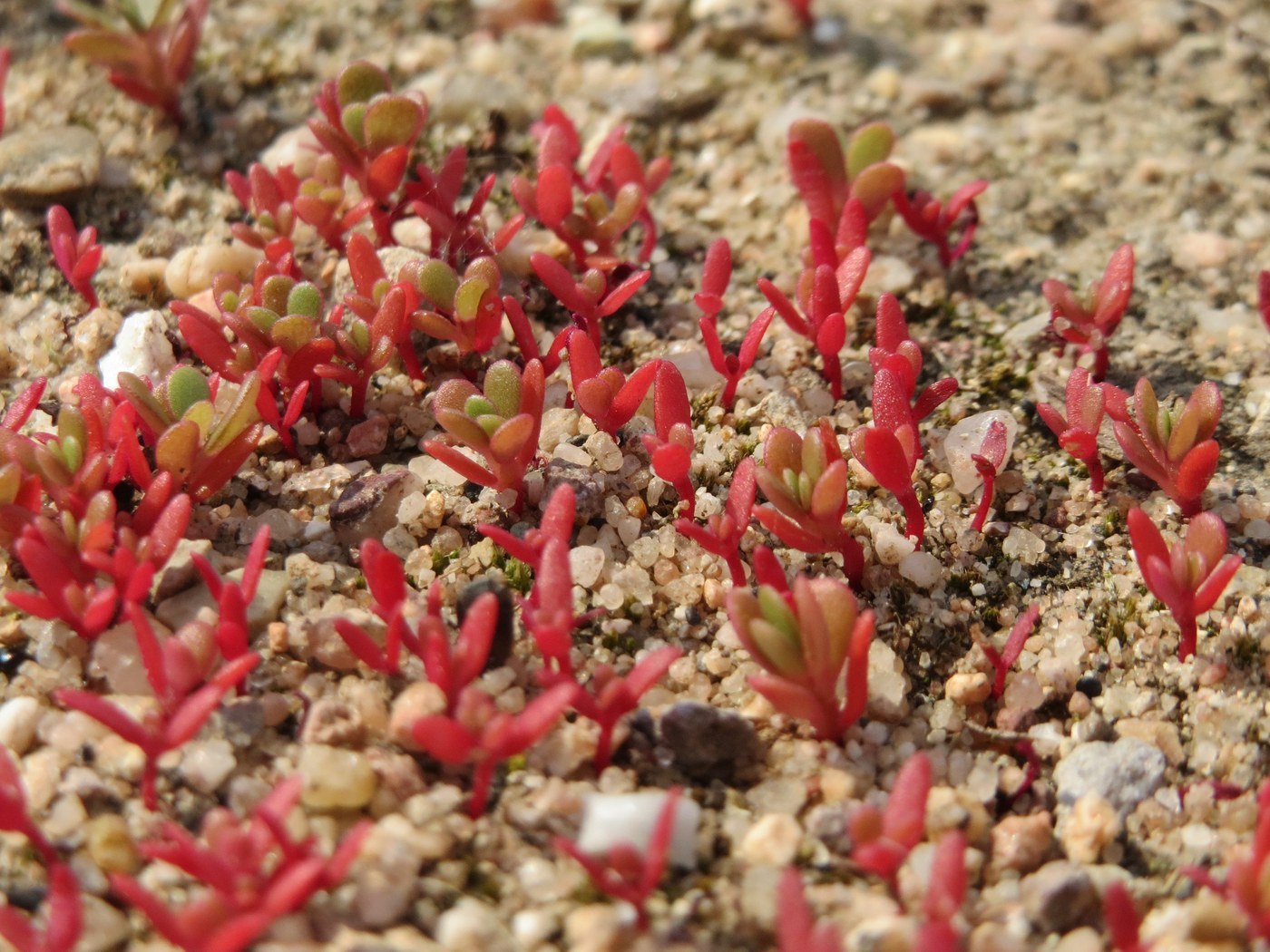
Purslane (Portulaca oleracea) is a low, spreading succulent with fleshy paddle-shaped leaves and reddish trailing stems. It is one of the most heat- and drought-tolerant ornamentals you can grow, ideal for baking spots where little else thrives.
Light
Give purslane full sun, the more the better. It craves heat and bright light, which keep growth compact and encourage its small cup-shaped flowers to open. In shade the plant grows leggy, blooms poorly, and its flowers may stay closed. A minimum of 6 to 8 hours of direct sun is ideal.
Water
Purslane is highly drought-tolerant thanks to its water-storing leaves. Water sparingly and let the soil dry well between waterings. Overwatering is the main way to kill it, causing stem and root rot. Established plants often survive on rainfall alone; container plants need only occasional deep watering during extended dry heat.
Soil & Potting
Plant in poor to average, sharply draining soil; purslane actually prefers lean conditions and dislikes rich, moisture-retentive mixes. Sandy or gravelly soil is perfect. In containers use a cactus or succulent mix, or amend potting soil with plenty of grit and sand, and always use pots with drainage holes.
Humidity & Temperature
This is a warm-climate plant that loves heat and shrugs off dry air. It thrives in the heat of summer and is sensitive to cold, collapsing at the first frost. Treat it as a warm-season annual outside frost-free regions. Low humidity suits it perfectly.
Feeding
Purslane needs little to no fertilizer and performs beautifully in lean soil. If growth is very sparse, a light dose of dilute balanced fertilizer early in the season is plenty. Overfeeding produces soft, floppy growth and fewer flowers.
Propagation
Purslane propagates with ease. Stem cuttings root readily; simply lay or press a piece of stem into moist soil and it will take. It also grows quickly from seed sown on the soil surface in warm conditions, and it self-sows freely, sometimes to the point of spreading.
Repotting / Pruning
Pinch or trim trailing stems to keep plants tidy and encourage branching in containers and baskets. Purslane rarely needs repotting given its fast, annual nature. Remove any mushy or rotted stems promptly. Cutting back leggy growth in midsummer rejuvenates the plant.
Common Problems & Pests
The most common issue is rot from overwatering or heavy soil, so err on the dry side. Aphids and occasionally slugs or snails may nibble tender growth. Poor flowering almost always traces to insufficient sun. Otherwise this is a remarkably trouble-free plant.
Seasonal Care Tips
Plant or sow after all danger of frost when soil is warm. Purslane peaks in the hottest part of summer with minimal care. As nights cool in fall, growth slows and frost ends the season; collect self-sown seedlings or take cuttings to overwinter indoors on a sunny sill in cold climates.
Frequently asked questions
How often should I water purslane?
Very sparingly. Its succulent leaves store water, so let the soil dry out well between waterings. Overwatering is the fastest way to cause rot and lose the plant.
Why is my purslane leggy and not flowering?
It needs more sun. In shade purslane stretches and blooms poorly, and its flowers may stay closed. Move it to a spot with at least 6 to 8 hours of direct sun.
Can I grow purslane in a hanging basket?
Yes. Its trailing succulent stems spill attractively over the edges. Use a gritty, fast-draining mix, give it full sun, and water only when the soil has dried.
Does purslane come back each year?
It is frost-tender and usually grown as a warm-season annual, but it self-sows readily and often reappears from dropped seed. You can also root cuttings to keep it going.