Purslane
Portulaca oleracea
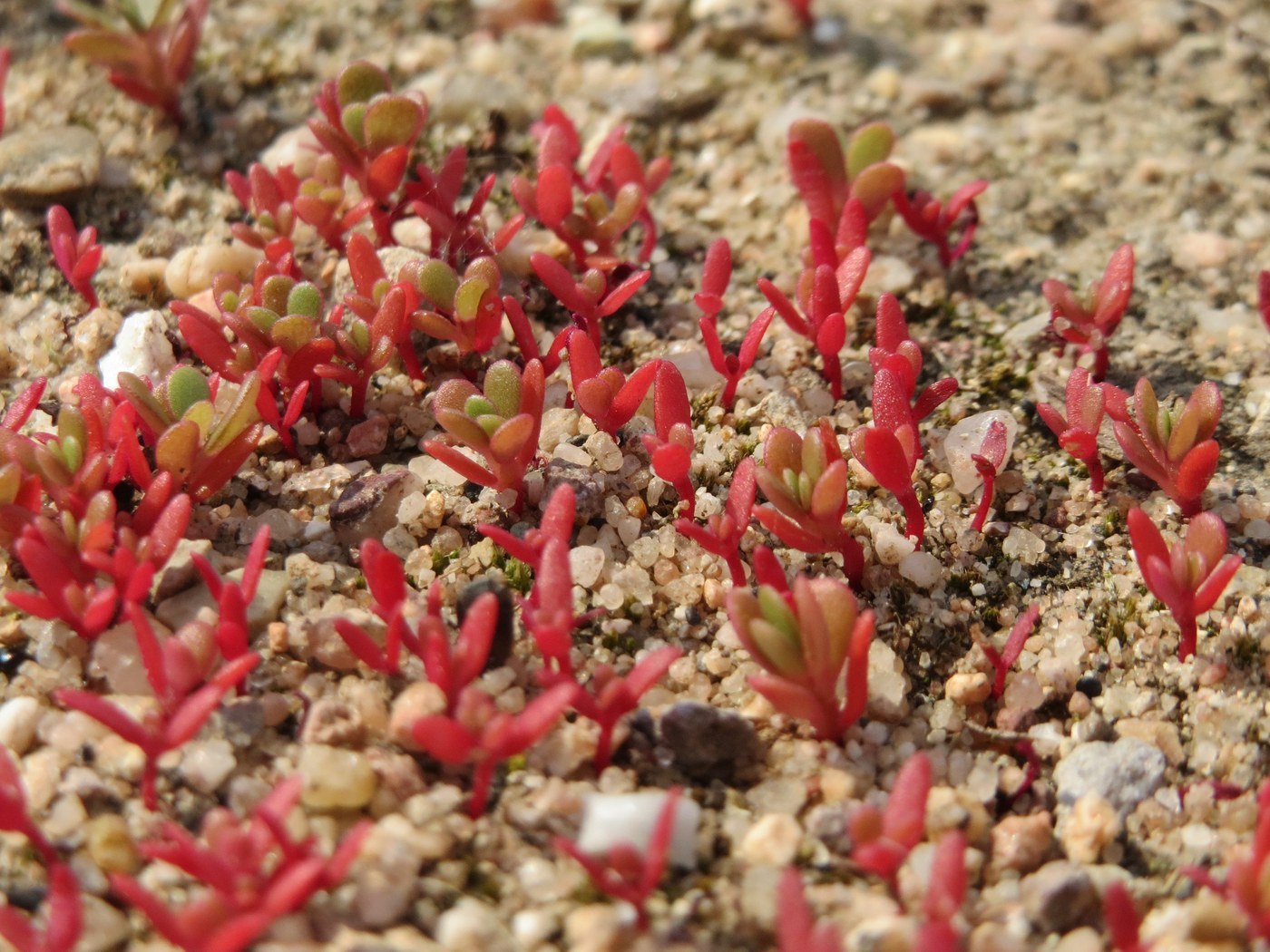
Purslane is a low, succulent annual with fleshy paddle-shaped leaves and trailing reddish stems. A widespread plant of warm, sunny ground, it grows both wild and as a cultivated garden vegetable.
- Light
- Full sun
- Water
- Low; drought-tolerant
- Difficulty
- Easy
Got a plant like this?
Identify any plant from a photo, free.
Overview
Purslane (Portulaca oleracea) is a sprawling annual succulent in the family Portulacaceae, found as both a wild plant and a cultivated vegetable across temperate and tropical regions.
While often labeled a weed in lawns and gardens, it is also grown deliberately as a leafy garden plant in many countries. It is distinctive for its low, mat-forming habit and water-storing succulent tissue.
How to identify it
- Leaves: small, fleshy, paddle-shaped, smooth and glossy, often reddish at the edges
- Stems: thick, succulent, smooth, often reddish, sprawling flat to form mats
- Flowers: tiny yellow five-petaled blooms that open in bright sun, set at stem tips and leaf joints
- Habit: low, ground-hugging annual rarely above 10-15 cm
- Seeds: numerous tiny black seeds in small capsules
Care & growing
Light: Full sun; it thrives in hot, bright conditions.
Water: Very drought-tolerant; its succulent tissue stores water, so water sparingly.
Soil: Tolerates poor, dry, sandy soils but grows lusher in fertile ground.
Temperature: A warm-season annual that loves summer heat and is killed by frost.
Feeding: Minimal; grows well even in lean soil.
Propagation: Self-seeds heavily and also roots from stem fragments, so it spreads easily; sow seed on warm soil to grow it as a crop.
Habitat & origin
Purslane's exact origin is debated but it is thought to have arisen in the Old World (likely North Africa, the Middle East or the Indian subcontinent) and is now found nearly worldwide.
It colonizes warm, sunny, disturbed ground: gardens, fields, sidewalk cracks, waste places and dry open soil, and is grown deliberately in many countries.
Frequently asked questions
How is purslane different from spurge?
Purslane has fleshy, smooth leaves and stems and no milky sap, while the similar-looking spurge has thinner leaves and exudes a white milky sap when broken.
How can I recognize purslane?
Look for a low, ground-hugging mat of thick, smooth, reddish stems set with small, fleshy, glossy paddle-shaped leaves and tiny yellow flowers that open in bright sun.
Does purslane need much water?
No. As a succulent it stores water in its leaves and stems and is very drought-tolerant, thriving in hot, dry, sunny spots.
Purslane guides
In-depth guides for identifying, growing, and caring for Purslane.
How to Care for Purslane
Purslane is a tough, low-growing succulent for hot, sunny spots, thriving on lean soil, heat, and minimal water.
Purslane Identification Guide
Identify common purslane (Portulaca oleracea) by its fleshy paddle-shaped leaves, smooth reddish prostrate stems, and small yellow flowers.