
How to Care for Pyracantha
Pyracantha (firethorn) is an easy, tough evergreen shrub with white spring flowers and brilliant autumn berries for hedges and walls.
Read the full Pyracantha encyclopedia entry →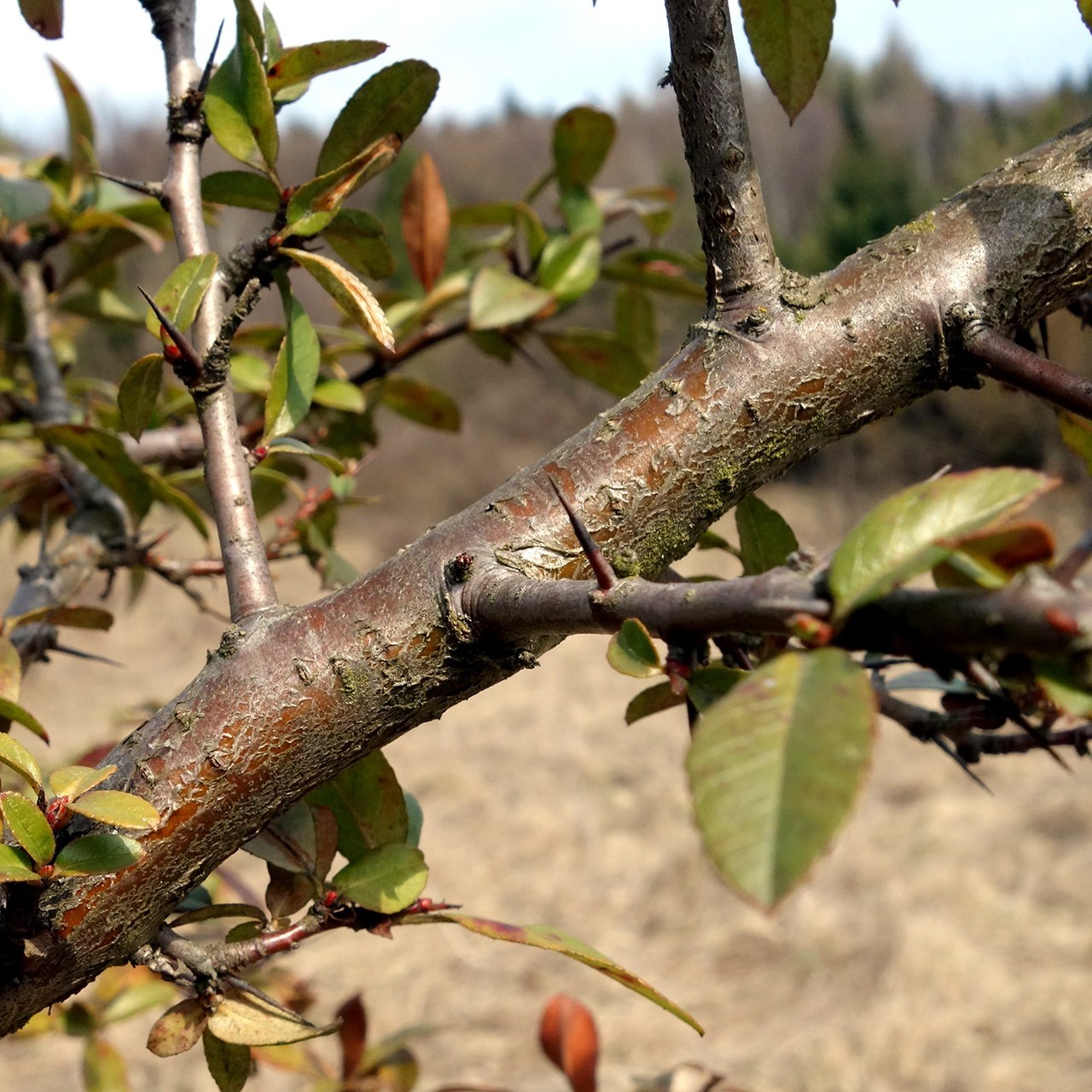
Pyracantha (Pyracantha coccinea), or firethorn, is a vigorous, thorny evergreen shrub grown for its froth of white spring flowers followed by dense clusters of glowing orange-to-red autumn berries. Tough and adaptable, it makes an excellent hedge, barrier, or wall-trained specimen.
Light
Pyracantha grows in full sun to part shade. Full sun produces the heaviest flowering and the most abundant, brightly colored berries. It tolerates a north- or east-facing wall and partial shade, though berry display is somewhat reduced in shadier positions.
Water
Water moderately while establishing, keeping the soil evenly moist through the first year or two. Once established, pyracantha is notably drought-tolerant and needs watering only during prolonged dry spells. Avoid constantly wet soil, which encourages root problems.
Soil & Potting
This adaptable shrub grows in most reasonable garden soils, from clay to sand, provided drainage is decent. It tolerates a range of pH and is unfussy about fertility. For containers or wall training, use a loam-based mix and ensure the pot drains freely.
Humidity & Temperature
Hardy and resilient, pyracantha withstands cold winters and hot summers across roughly USDA zones 6-9. It shrugs off ambient humidity extremes and tolerates exposed, windy sites. Its toughness is a large part of why it is rated an easy shrub to grow.
Feeding
Pyracantha needs little feeding in reasonable soil. A spring application of balanced fertilizer or a mulch of compost supports flowering and berrying, especially for wall-trained or container plants. Avoid heavy nitrogen, which favors leafy growth over flowers and fruit.
Propagation
Propagate from semi-hardwood cuttings taken in summer, which root readily in a free-draining medium under gentle warmth. Seed is possible but slow and variable. Cuttings are the reliable way to reproduce a specific cultivar's berry color and habit.
Repotting / Pruning
Prune in late spring after flowering, taking care to preserve the developing berries by cutting back overlong shoots rather than shearing indiscriminately. Wall-trained plants benefit from tying in and shortening outward growth. Wear thick gloves and eye protection, as the long thorns are sharp. Repot container specimens every couple of years.
Common Problems & Pests
The main concerns are fireblight, which blackens and wilts shoots, and pyracantha scab, which disfigures leaves and berries; choose resistant cultivars where these are common. Watch also for aphids and woolly aphids. Remove and dispose of blighted growth promptly and keep the plant airy and unstressed.
Seasonal Care Tips
Enjoy white flowers in late spring, then prune with an eye to keeping the berry-bearing wood. Berries color up and glow through autumn into winter, providing the shrub's main show. Feed and mulch in spring, water new plants through summer dry spells, and check regularly for signs of fireblight during the growing season.
Frequently asked questions
How do I prune pyracantha without losing the berries?
Prune in late spring after flowering and cut selectively, shortening overlong shoots rather than shearing the whole plant. This preserves the flowered wood that carries the autumn berries.
Why does my pyracantha have few berries?
Too much shade, over-pruning that removes flowering wood, or excess nitrogen fertilizer all reduce berrying. Give it more sun, prune selectively, and use a balanced feed.
Is pyracantha good for a hedge?
Yes, its dense, thorny, evergreen growth makes an excellent barrier hedge. Plant in full sun for the best flowers and berries, and wear thick gloves when trimming.
What is the black shoot dieback on my pyracantha?
Blackened, wilted shoots often indicate fireblight. Cut well back into healthy wood, dispose of the prunings, and consider planting resistant cultivars in areas where the disease is common.