Pyracantha
Pyracantha coccinea
Pyracantha, or firethorn, is a thorny evergreen shrub that bursts with white spring flowers and brilliant masses of red, orange, or yellow berries in fall. It makes a formidable hedge or espalier.
- Light
- Full sun to part shade
- Water
- Moderate; drought-tolerant once established
- Difficulty
- Easy
Got a plant like this?
Identify any plant from a photo, free.
Overview
Pyracantha, commonly called firethorn, is a vigorous, thorny evergreen shrub in the rose family grown for its dazzling autumn berry display. Dense clusters of small white flowers in spring give way to long-lasting masses of red, orange, or yellow pomes that persist into winter.
Armed with sharp thorns and capable of rapid, dense growth, firethorn is excellent as a barrier hedge or trained flat against walls and fences as an espalier. Birds feast on the berries, while the thorns deter intruders.
It is adaptable and tough, though prone to fireblight and scab in some climates, so disease-resistant cultivars are worth seeking out.
How to identify it
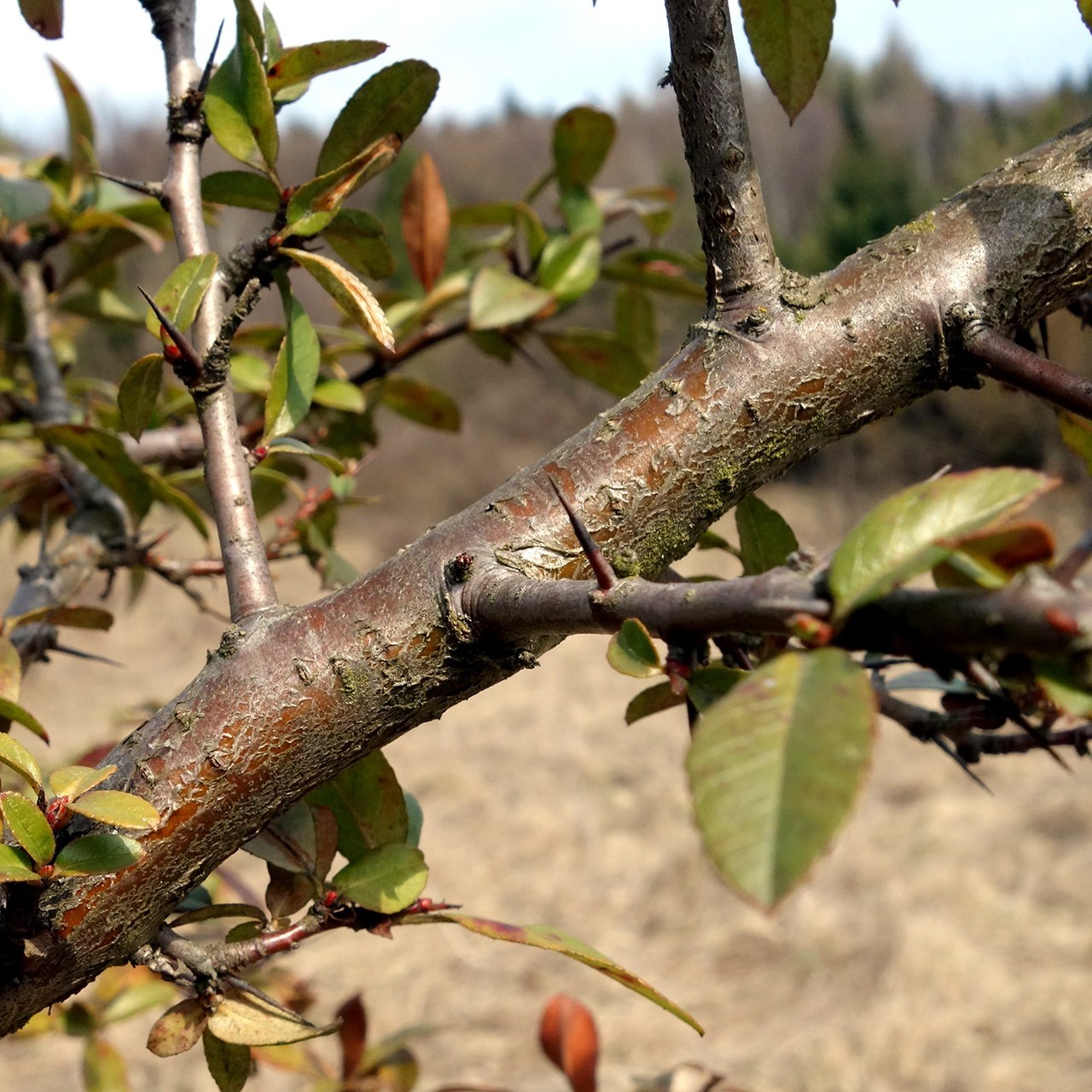
A dense, thorny, semi- to fully evergreen shrub.
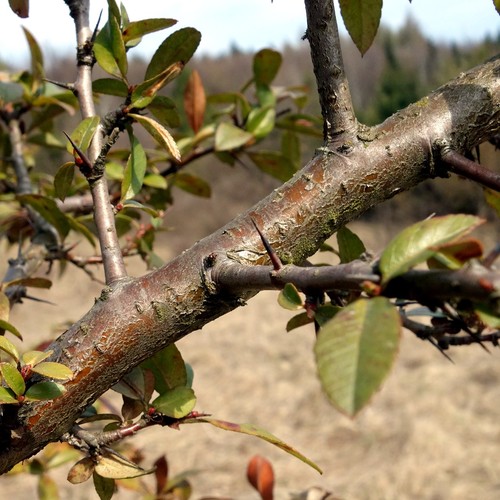
- Thorns: stiff, sharp spines along the branches (a key ID trait)
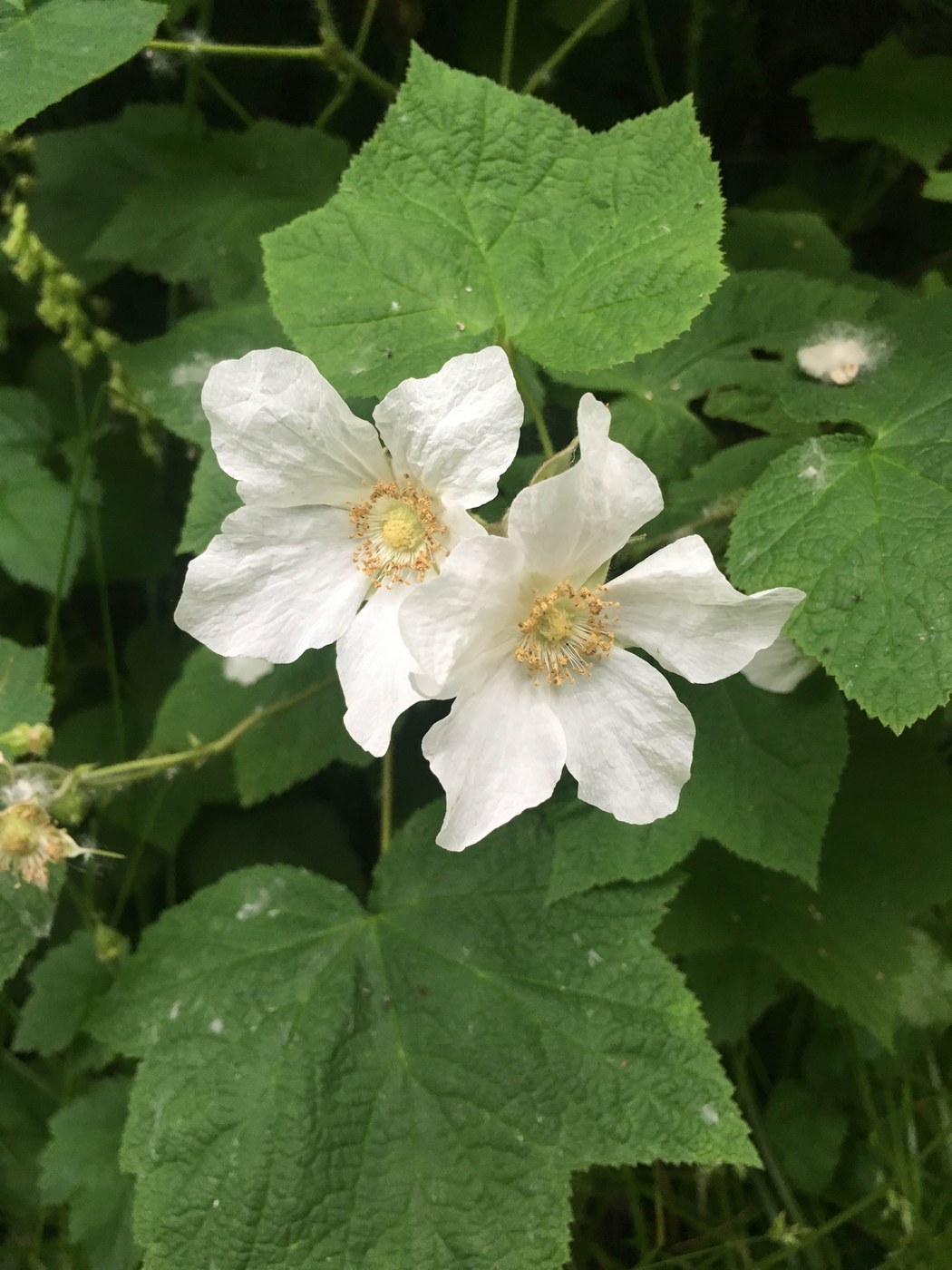
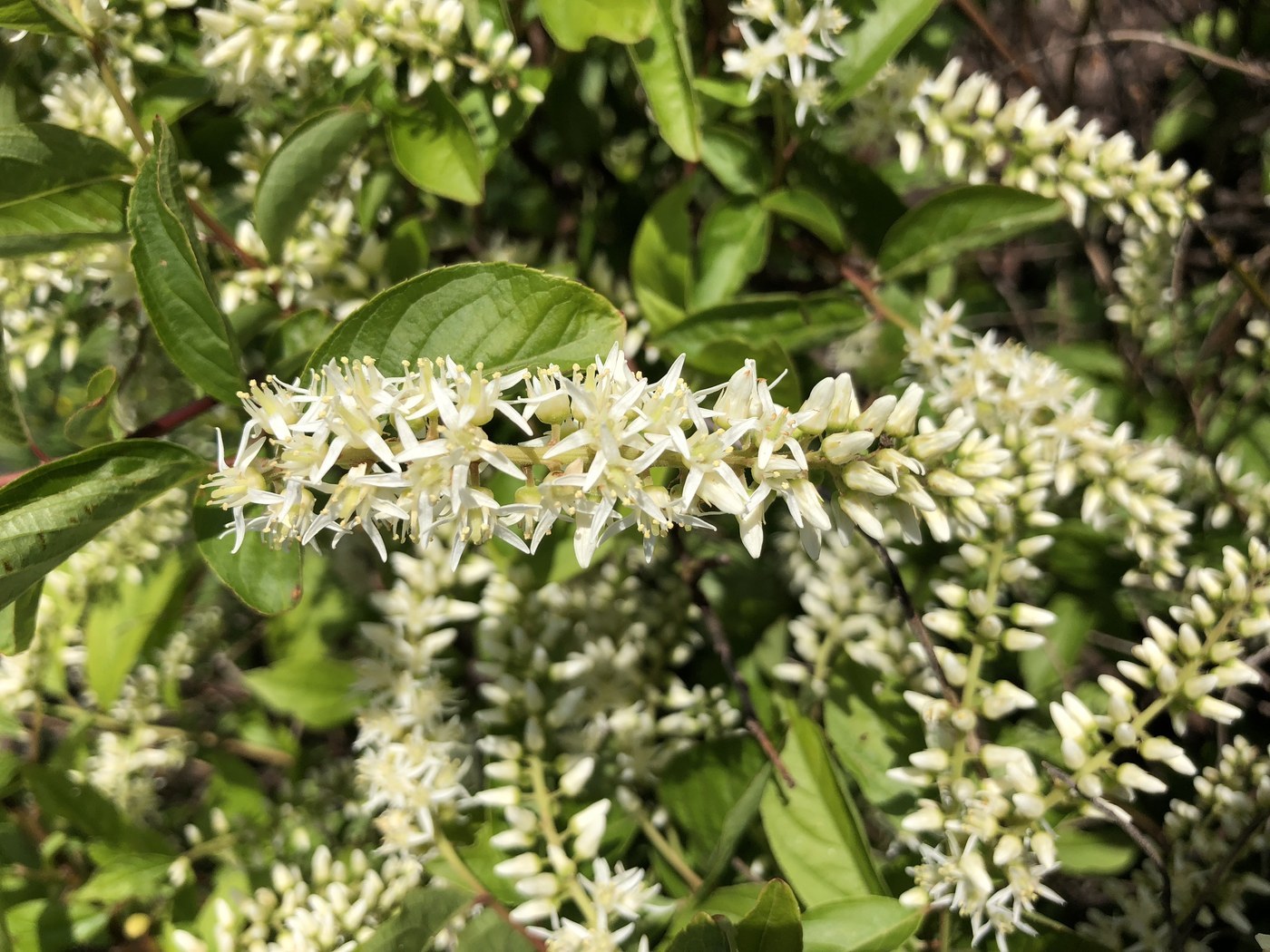
- Flowers: flat clusters of small white 5-petaled blooms in spring
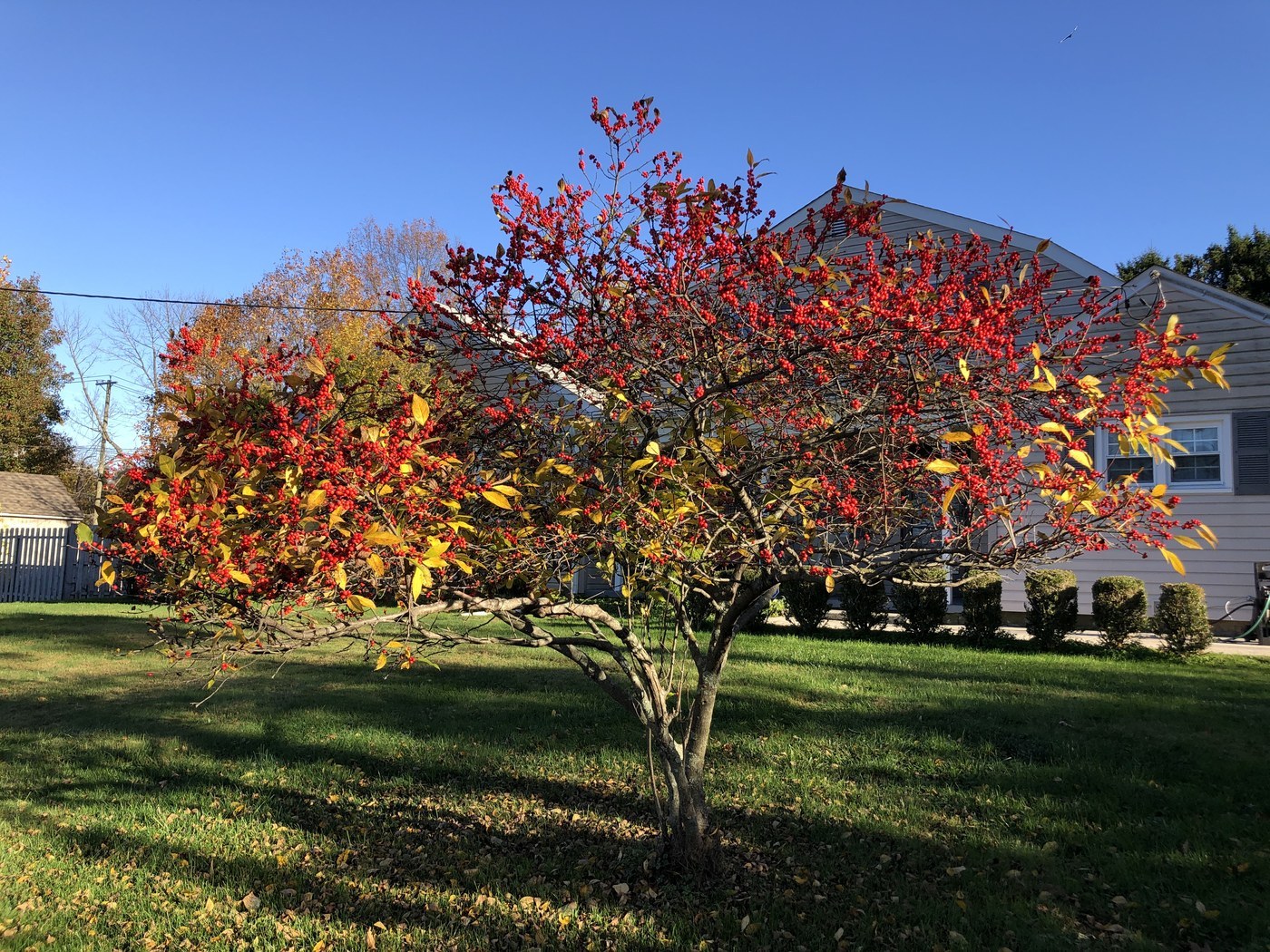
- Berries: abundant pea-sized pomes in bright red, orange, or yellow, ripening in fall and persisting
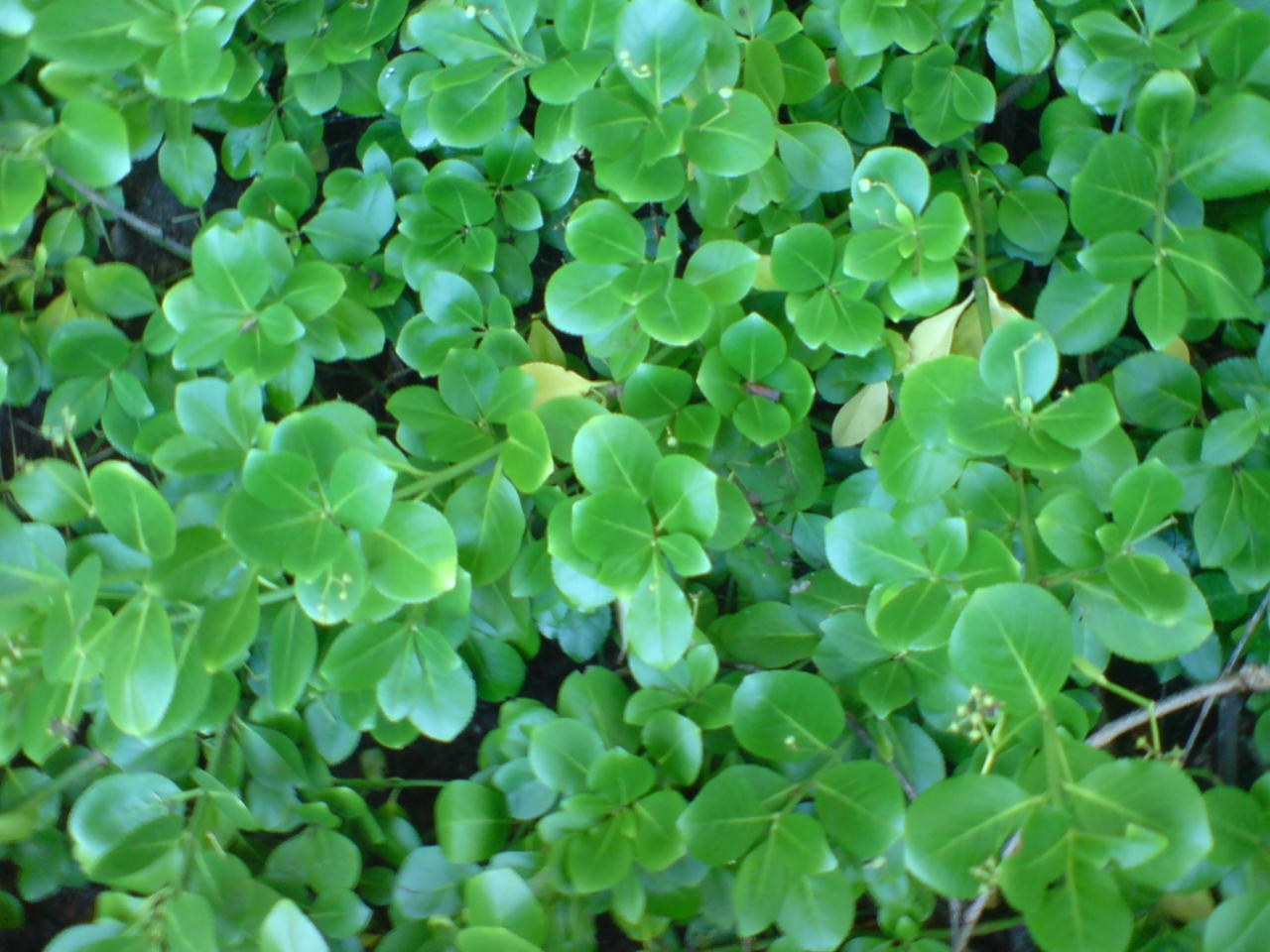
- Leaves: small, oblong, glossy dark green, with finely toothed or smooth edges
- Habit: rounded to sprawling, 6–16 ft, easily trained or pruned
Care & growing
Tough, fast, and adaptable.
- Light: full sun gives the heaviest flowering and fruiting; tolerates part shade
- Water: moderate while establishing; drought-tolerant afterward
- Soil: adaptable to most well-drained soils
- Temperature: hardy in USDA zones 6–9
- Feeding: light; avoid excess nitrogen, which spurs soft growth prone to fireblight
- Pruning: prune after flowering to shape (or in summer for espaliers); wear thick gloves
- Propagation: semi-hardwood cuttings; choose fireblight- and scab-resistant cultivars
Habitat & origin
Pyracantha coccinea is native to southern Europe and southwest Asia, growing in scrub, woodland edges, and rocky hillsides; related species come from the Himalayas and China.
Widely cultivated, it is planted across temperate regions for hedging and ornament. It has naturalized in parts of North America and is considered weedy or invasive in some areas, so check local status.
Frequently asked questions
Why does my firethorn have few berries?
Too much shade, over-pruning, or heavy nitrogen feeding reduce fruiting. Berries form on older wood, so avoid shearing off flowering stems.
Is pyracantha good for security?
Yes, its dense growth and sharp thorns make an excellent intruder-deterring barrier hedge.
What diseases affect pyracantha?
Fireblight and apple scab are the main problems. Choose resistant cultivars, ensure good airflow, and avoid excess nitrogen.
Pyracantha guides
In-depth guides for identifying, growing, and caring for Pyracantha.
How to Care for Pyracantha
Pyracantha (firethorn) is an easy, tough evergreen shrub with white spring flowers and brilliant autumn berries for hedges and walls.
Pyracantha Identification Guide
Identify Pyracantha (firethorn) by its sharp thorns, glossy evergreen leaves, flat clusters of white spring flowers, and masses of red, orange, or yellow berries.