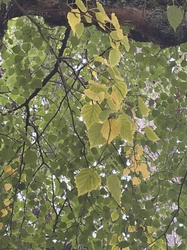
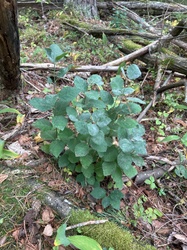
How to Care for Quaking Aspen
Grow Quaking Aspen (Populus tremuloides), a fast, cold-hardy tree with fluttering leaves that shimmer in the slightest breeze.
Read the full Quaking Aspen encyclopedia entry →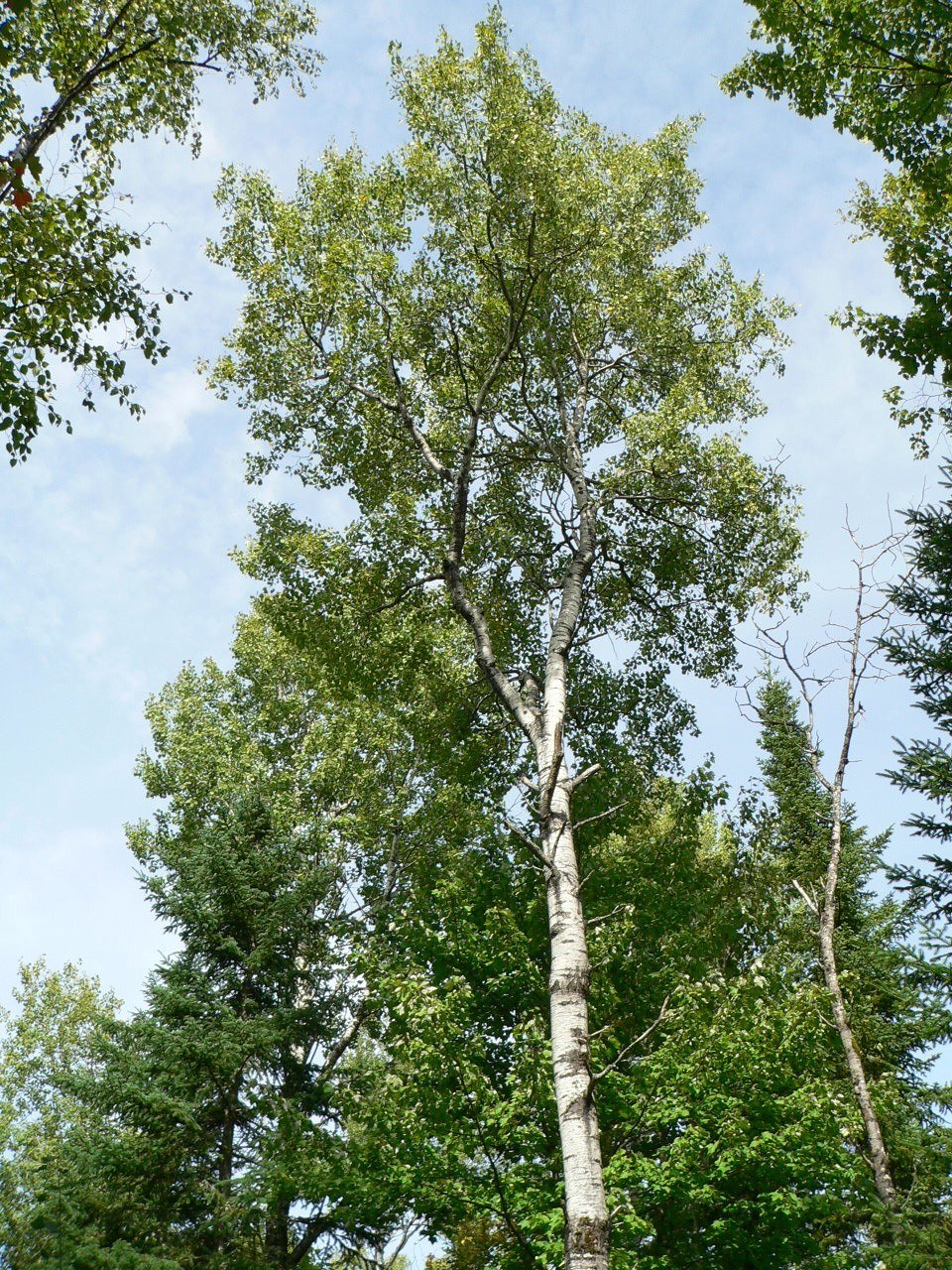
Quaking Aspen (Populus tremuloides) is a graceful, fast-growing deciduous tree prized for its smooth chalky-white bark and flat-stemmed leaves that tremble in the lightest wind. It thrives in cool climates and open, sunny sites, making it a striking ornamental for large landscapes.
Light
Give Quaking Aspen full sun. It is a pioneer species that colonizes open ground and needs bright, unshaded conditions to grow vigorously and keep its canopy dense. In heavy shade it grows thin, leggy, and short-lived. Plant it in the open away from the shadow of buildings or larger trees.
Water
Aspen enjoys ample water and moist, well-drained soil. It is naturally found near streams, meadows, and mountain slopes where soil stays cool and damp. Water young trees deeply and regularly through the first two or three seasons until established, and provide supplemental irrigation during hot, dry spells. Mature trees tolerate short dry periods but resent prolonged drought.
Soil & Potting
Aspen adapts to a wide range of soils but prefers loose, well-drained loam that stays consistently moist. It handles sandy and rocky ground well and tolerates poor fertility, though rich soil speeds growth. A neutral to slightly acidic pH is ideal. Mulch the root zone with a few inches of organic material to keep roots cool and conserve moisture, keeping mulch back from the trunk.
Humidity & Temperature
This is a cold-climate tree at its best in cool summers and frigid winters; it is extremely cold-hardy and tolerates severe frost. It struggles in hot, humid lowland climates where heat stress invites disease and shortens its life. It appreciates cool nights and dislikes prolonged high heat.
Feeding
Aspen is not a heavy feeder. On poor soils, apply a balanced slow-release tree fertilizer in early spring to support the fast growth this species is known for. On decent soil, an annual layer of compost or leaf mulch usually supplies enough nutrients. Avoid over-fertilizing, which produces weak, disease-prone growth.
Propagation
Aspen propagates readily from root suckers, which is how it forms vast clonal groves in the wild. New shoots emerge from spreading lateral roots and can be dug and transplanted. It can also be grown from softwood cuttings or root cuttings taken in late winter, and from seed, though seed is short-lived and must be sown fresh.
Repotting / Pruning
Aspen is a landscape tree rather than a container plant. Prune in late winter or early spring while dormant to remove dead, damaged, or crossing branches and to shape a strong central leader. Expect and manage suckering: remove unwanted suckers promptly if you want a single-trunk specimen rather than a spreading colony.
Common Problems & Pests
Aspen is relatively short-lived and prone to several issues, especially in warm or stressed conditions. Watch for cankers (Cytospora and others), leaf spot, rust, and powdery mildew. Insect pests include aspen borers, tent caterpillars, aphids, and leaf-mining insects. Keep trees vigorous with adequate water and good air circulation, remove diseased wood, and clean up fallen leaves to reduce fungal carryover.
Seasonal Care Tips
Plant in early spring or fall. Water deeply through the first growing seasons. In spring, prune while dormant and refresh mulch. Through summer, keep soil moist during heat and monitor for pests. In autumn, enjoy the golden fall color and clear fallen leaves. In winter, the bare white bark and dark bud scars are an ornamental feature; no protection is needed given its extreme hardiness.
Frequently asked questions
Why do Quaking Aspen leaves shake in the wind?
The leaf stalks (petioles) are flattened and set at right angles to the leaf blade, so the leaves flutter and tremble with even the faintest breeze, giving the tree its name and shimmering appearance.
How fast does Quaking Aspen grow?
It is a fast grower, often adding one to two feet or more per year in youth on good sites with full sun and moist soil, though it tends to be relatively short-lived compared to slower trees.
Why is my aspen sending up shoots all over the lawn?
Aspen spreads naturally by root suckers to form colonies. Mow or dig out unwanted suckers regularly if you want a single specimen, since the habit is normal and vigorous.
Can I grow Quaking Aspen in a hot climate?
It performs poorly in hot, humid regions, where heat stress and disease shorten its life. It is best suited to cool-summer, cold-winter climates and higher elevations.
Quaking Aspen identified by the community
Recent Quaking Aspen specimens identified with Plant Identifier.