Quaking Aspen
Populus tremuloides
A fast-growing native tree whose flat-stalked leaves tremble in the slightest breeze and turn brilliant gold in fall. It forms vast clonal groves and is the most widely distributed tree in North America.
- Light
- Full sun
- Water
- Ample; moist soil
- Difficulty
- Moderate
Got a plant like this?
Identify any plant from a photo, free.
Overview
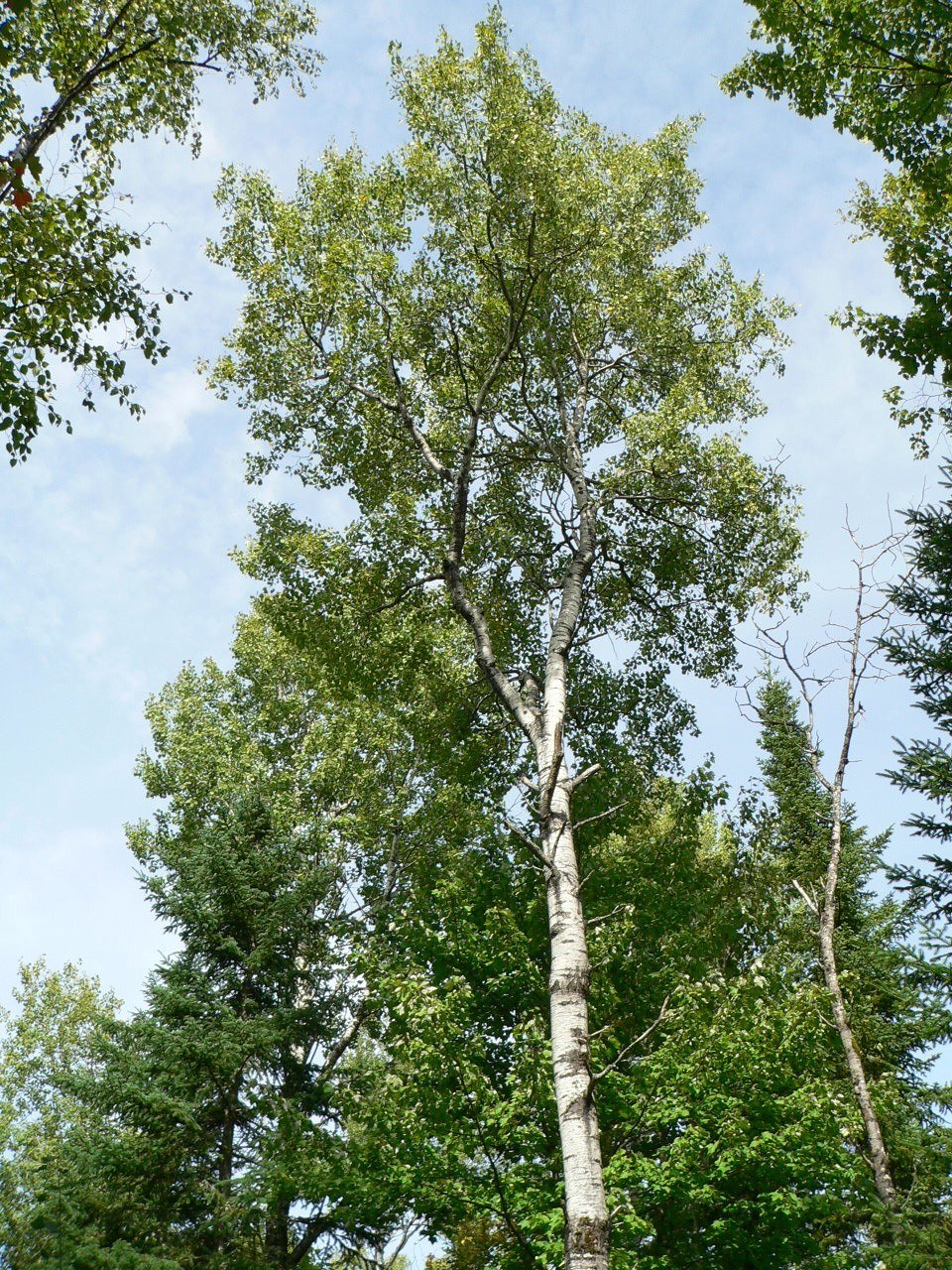
Quaking aspen is a slender, fast-growing deciduous tree famous for its rounded leaves that flutter and 'quake' in the gentlest wind, thanks to their flattened leaf stalks.
It has smooth, pale greenish-white bark and is celebrated for the shimmering golden-yellow color that lights up mountainsides in autumn. Aspens spread aggressively by root suckers, forming large genetically identical clonal groves—one Utah clone named 'Pando' is among the largest and oldest living organisms on Earth.
It is the most widely distributed tree species in North America.
How to identify it
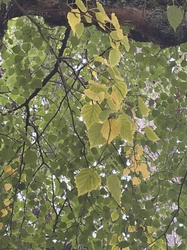
- Leaves: nearly round with finely toothed edges and a flattened petiole that makes them tremble; bright green turning brilliant gold (sometimes orange-red) in fall
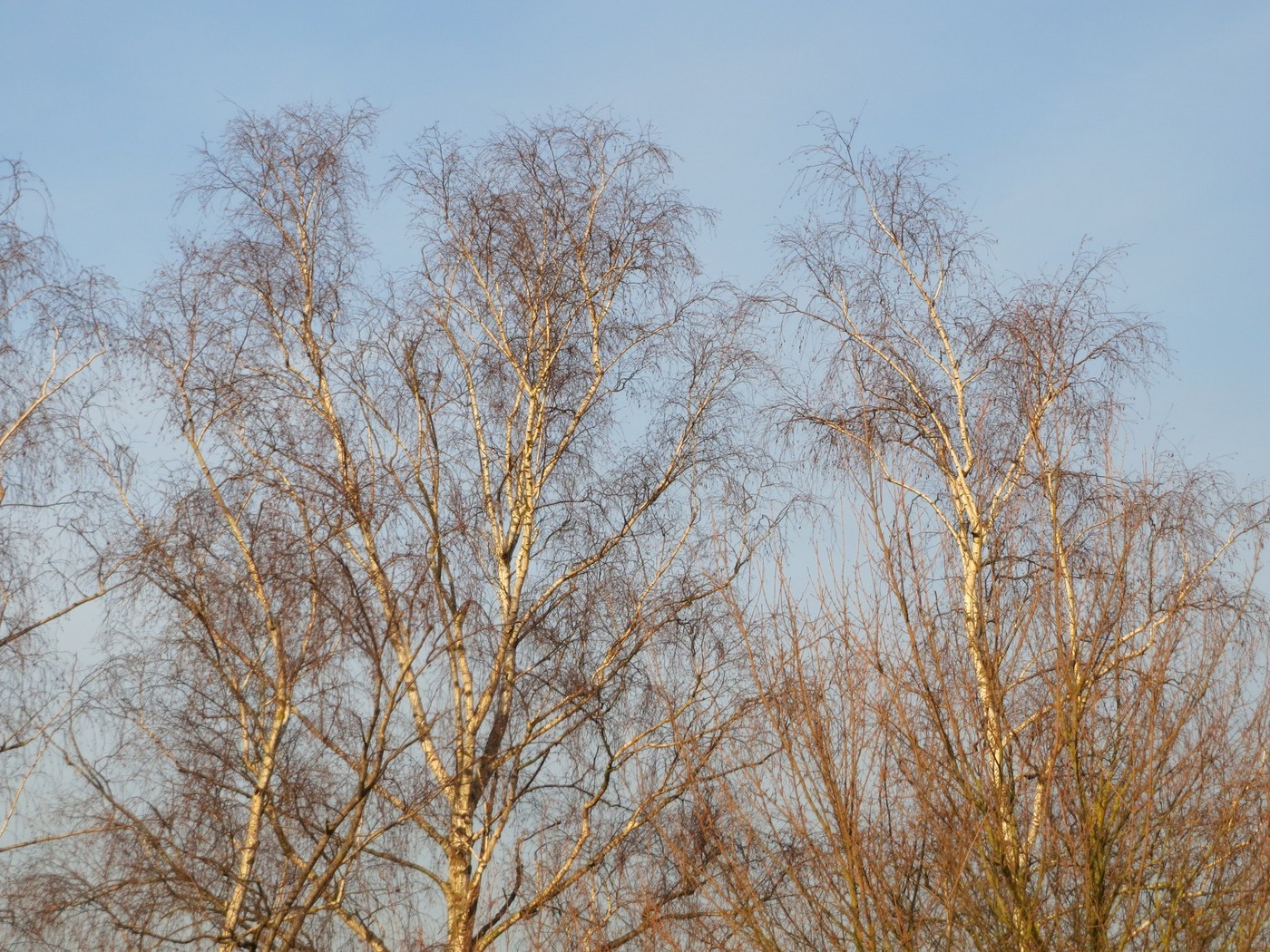
- Bark: smooth, thin, greenish-white to chalky white with dark scars; photosynthetic
- Habit: slender, upright trunk; spreads by root suckers to form clonal stands
- Catkins: drooping gray catkins in early spring before leaves
- Size: 40-50 ft tall, relatively short-lived as individual stems
Care & growing
- Light: full sun; intolerant of shade
- Water: prefers consistently moist soil; not drought tolerant
- Soil: well-drained but moist; adaptable, often pioneering disturbed ground
- Temperature: very cold hardy, USDA zones 1-6 (struggles in heat and humidity)
- Feeding: rarely needed
- Propagation: readily from root suckers; also from seed (short-lived) and cuttings
- Note: suckering can be aggressive—give it room or expect a grove
Habitat & origin
Quaking aspen has the widest natural range of any tree in North America, spanning from Alaska and Canada south through the Rocky Mountains into Mexico and across the northern and montane United States.
It is a pioneer species that quickly colonizes burned, cleared or disturbed land, thriving in cool climates and high elevations. Aspen groves are often single clones connected by a shared root system, regenerating vigorously after fire.
Frequently asked questions
Why do aspen leaves shake?
The leaf stalk (petiole) is flattened perpendicular to the leaf blade, so even a light breeze makes the leaves twist and tremble—hence 'quaking.'
Are aspen groves really one organism?
Often yes. Aspens spread by root suckers, so a grove can be a single genetic clone sharing one root system; the famous 'Pando' clone in Utah covers over 100 acres.
Can I grow aspen in a warm climate?
Not easily. Quaking aspen is adapted to cool climates and high elevations and tends to struggle, suffer disease and die young in hot, humid lowlands.
Will aspen take over my yard?
It can. Aspen suckers freely from its roots and can send up shoots throughout an area, so plant it only where a spreading grove is acceptable.
Quaking Aspen guides
In-depth guides for identifying, growing, and caring for Quaking Aspen.
How to Care for Quaking Aspen
Grow Quaking Aspen (Populus tremuloides), a fast, cold-hardy tree with fluttering leaves that shimmer in the slightest breeze.
Quaking Aspen Identification Guide
How to identify quaking aspen (Populus tremuloides) by its fluttering round leaves, smooth white-green bark, and clonal groves.
Quaking Aspen identified by the community
Real specimens identified with Plant Identifier.