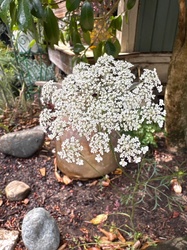
How to Care for Queen Anne's Lace
Grow Queen Anne's Lace for airy, lace-like white flower umbels; this easy biennial thrives on neglect in full sun.
Read the full Queen Anne's Lace encyclopedia entry →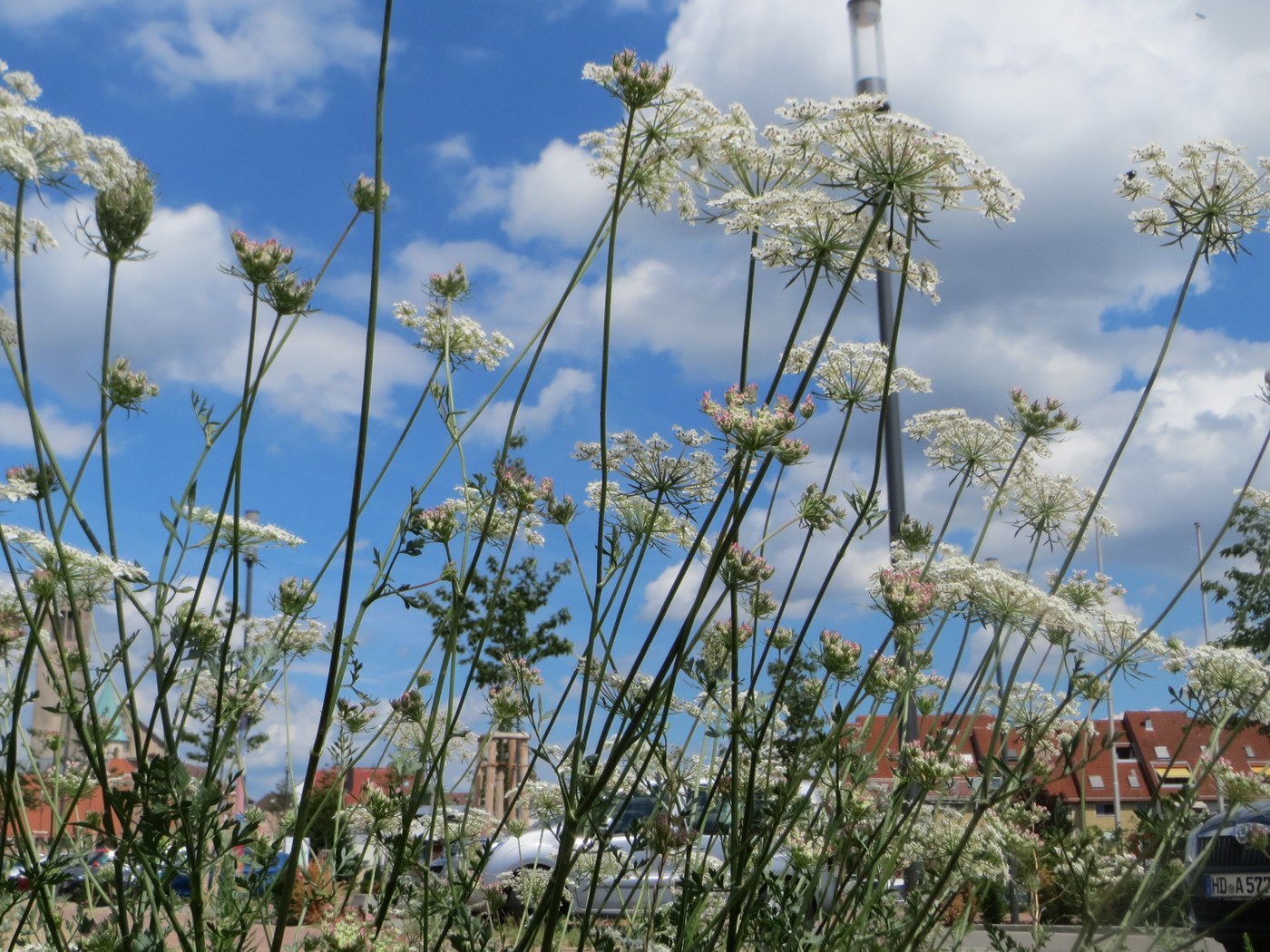
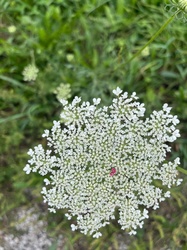
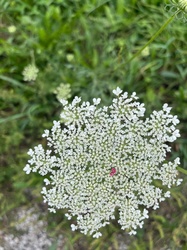
Queen Anne's Lace (Daucus carota) is a biennial wildflower grown for its delicate, flat-topped umbels of tiny white flowers, often centered by a single dark floret, on tall wiry stems. It is exceptionally easy, self-sowing freely and thriving in poor, dry soils where little else flourishes.
Light
Plant in full sun for the strongest stems and most abundant bloom. It needs at least six hours of direct light and grows floppy or sparse in shade. Open, sunny meadow-like sites suit it best.
Water
Drought-tolerant once established, it grows well in average to dry soils and rarely needs supplemental watering. Water lightly during establishment, then let nature take over. Avoid overwatering, which encourages weak, leggy growth and rot.
Soil & Potting
This plant tolerates poor, dry, rocky, and lean soils, and in fact flowers more freely where the soil is not overly rich. Good drainage is the main requirement. Its long taproot prefers deep, loose ground and resents transplanting, so it is best sown where it will grow.
Humidity & Temperature
Hardy and adaptable across a wide range of climates, it handles heat, cold, and wind with ease. No special humidity needs apply. As a biennial, it forms a low rosette of ferny foliage the first year and sends up flowering stems the second year before setting seed.
Feeding
Feeding is generally unnecessary and can reduce flowering by promoting leaf growth over blooms. In very poor soil, a light dose of balanced fertilizer in spring is more than enough. This is a plant that genuinely prefers lean conditions.
Propagation
Propagate from seed, sown directly in fall or early spring, as the taproot dislikes disturbance. It self-sows prolifically, so a single planting often naturalizes into a recurring stand. Scatter seed on prepared ground and press in lightly; cold exposure aids germination.
Repotting / Pruning
As a taprooted biennial it is not suited to containers or repotting. To manage its enthusiastic self-seeding, deadhead the spent umbels before seed matures. Cutting back the finished flower stalks keeps the planting tidy and limits spread into unwanted areas.
Common Problems & Pests
Queen Anne's Lace is largely trouble-free. It can be aphid-prone and may host caterpillars, but rarely suffers serious damage. Its main drawback is aggressive self-seeding, which can become weedy, so it is regulated or discouraged in some regions; check local guidance before planting and deadhead to control spread.
Seasonal Care Tips
Fall or early spring: sow seed directly where plants are to grow. First year: expect only a ferny rosette of foliage. Second year: enjoy the tall lacy blooms through summer. Late summer: deadhead to prevent unwanted spread, or allow a few heads to set seed for next year's plants.
Frequently asked questions
Why did my Queen Anne's Lace not flower the first year?
It is a biennial, so the first year produces only a low rosette of ferny leaves. Flowering stems and the lacy white umbels appear in the second year, after which the plant sets seed and dies.
How do I stop it from spreading everywhere?
Deadhead the spent flower umbels before they set seed. This plant self-sows very freely, so removing seed heads is the main way to keep a stand in bounds.
What soil does it need?
Poor, dry, well-drained soil is ideal. It flowers best in lean ground and dislikes rich, wet, or heavily fertilized conditions, which produce floppy growth.
Can I grow it in a pot?
Not easily. Its long taproot resents disturbance and containers, so it is best sown directly in the ground where it will remain.
Queen Anne's Lace identified by the community
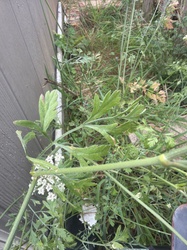
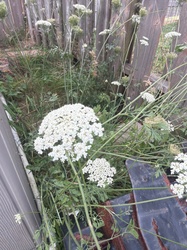
Recent Queen Anne's Lace specimens identified with Plant Identifier.