How to Care for Quince Tree
Growing guide for Cydonia oblonga, an easy, ornamental small tree with pale spring blossom and a picturesque gnarled habit.
Read the full Quince Tree encyclopedia entry →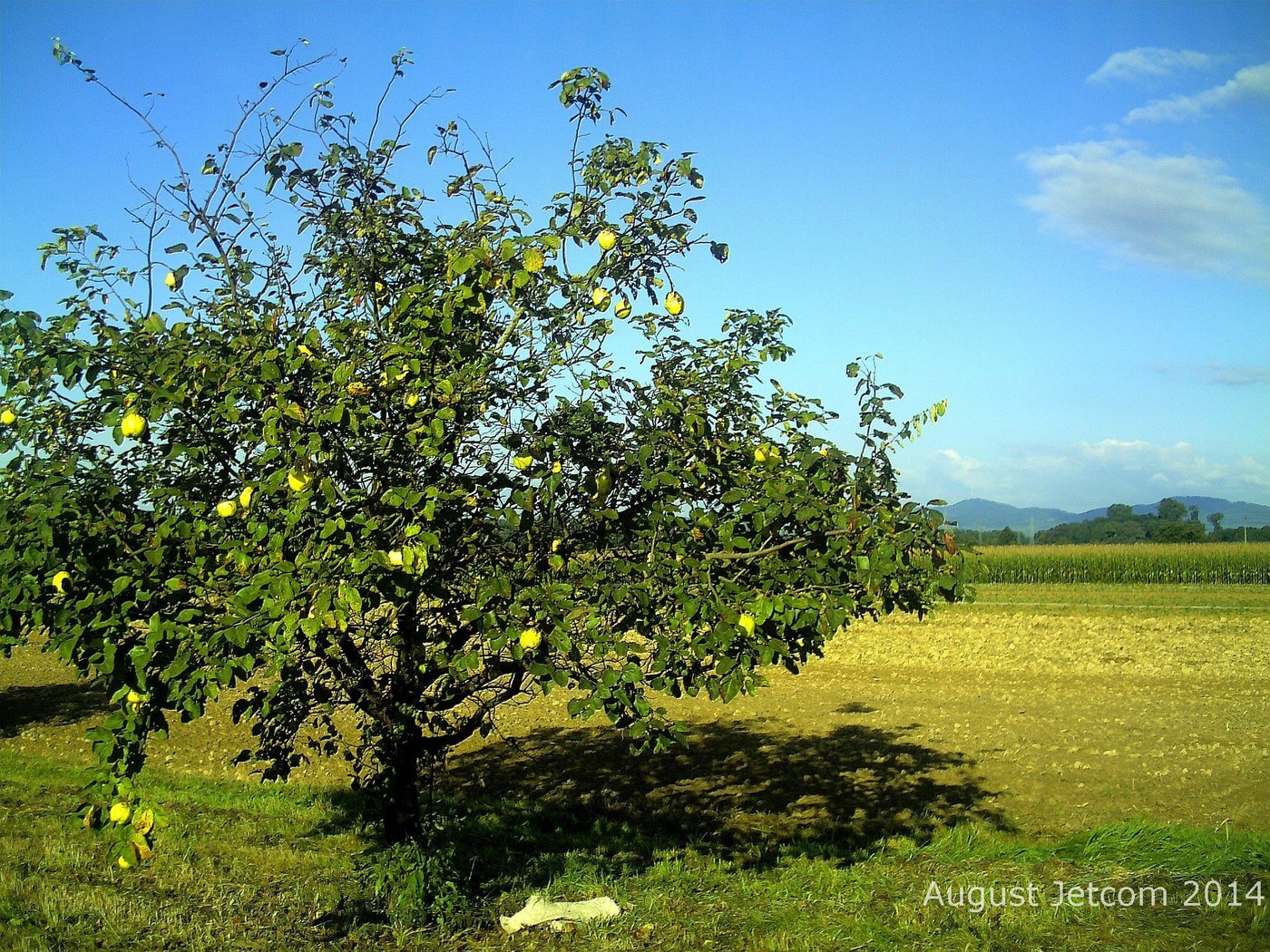
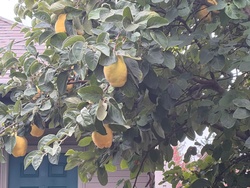
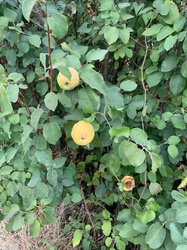
The quince (Cydonia oblonga) is a small, often crooked deciduous tree with a picturesque twisting habit, downy gray-green leaves, and large, solitary, pale pink-and-white cup-shaped blossoms in late spring. It is an easy, forgiving tree that tolerates a range of conditions and needs relatively little care once established.
Light
Quince grows and flowers best in full sun, which encourages a good crop of blossom and a sturdy, well-ripened framework. It will tolerate light partial shade but flowers more sparsely there. Choose an open, sunny position sheltered from the harshest winds.
Water
Water needs are moderate. Keep young trees well watered through their establishment years, and water established trees during extended dry spells. Quince naturally favors moist ground and even tolerates soils that stay damp better than most fruit trees, but it still appreciates good drainage and steady moisture rather than drought or standing water.
Soil & Potting
Grow quince in deep, fertile, moisture-retentive loam. It is tolerant of heavier soils and slightly damp sites, which suits its riverside origins, but it also grows well in ordinary garden ground with reasonable drainage. A slightly acidic to neutral pH is ideal. Enrich poor soils with compost and mulch to retain moisture.
Humidity & Temperature
Quince is hardy and easygoing but blooms later than apricots and plums, so its flowers usually escape the worst spring frosts. It enjoys warm summers to ripen its wood and prefers a sheltered spot, as strong winds can damage the large blossoms. It copes with a wide range of temperate conditions.
Feeding
Feed lightly in early spring with a balanced fertilizer or a mulch of well-rotted compost. Quince is not a heavy feeder, and excessive nitrogen encourages soft growth prone to fireblight, so keep feeding moderate. An annual organic mulch usually supplies most of its needs while conserving moisture.
Propagation
Named quince varieties are usually propagated by grafting or by hardwood cuttings, which root fairly readily, or from layering, since low branches will take root where they touch moist soil. Seed-raised trees are variable. Because quince roots easily from cuttings, it is also widely used as a rootstock for other trees.
Repotting / Pruning
Quince needs only light pruning. In winter, while dormant, remove dead, damaged, and crossing branches and lightly thin the crown to maintain an open, airy shape; the tree naturally forms an attractive gnarled outline that is best left to develop. Avoid heavy pruning, which can stimulate excessive soft regrowth. Container-grown trees should be repotted every couple of years into fresh, loam-based mix.
Common Problems & Pests
Fireblight can be a serious bacterial disease, causing shoots to blacken as if scorched; remove affected wood well below the damage and avoid over-feeding with nitrogen. Quince leaf blight causes brown leaf spots and early leaf drop in wet seasons, and codling moth and aphids may appear. Good air circulation, tidy removal of fallen leaves, and moderate feeding keep most problems in check.
Seasonal Care Tips
In spring, enjoy the large late blossoms and apply a mulch to conserve moisture. Through summer, water during dry spells, especially for young trees. In autumn, rake up and dispose of fallen leaves to reduce leaf blight carryover. In winter, carry out light formative pruning while the tree is dormant.
Frequently asked questions
Does a quince tree need full sun?
It flowers best in full sun, though it tolerates light partial shade with reduced blossom. An open, sunny, sheltered spot gives the strongest growth and display.
Can quince tolerate damp soil?
Yes, more so than most fruit trees. It favors moisture-retentive ground and copes with slightly damp sites, though it still prefers to avoid prolonged standing water.
How do I prune a quince tree?
Prune lightly in winter while dormant, removing dead, damaged, and crossing branches and thinning to keep the crown open. Its naturally gnarled shape is best left to develop.
What is the most serious quince disease?
Fireblight, a bacterial disease that blackens shoots. Cut out affected wood well below the damage, disinfect tools, and avoid heavy nitrogen feeding that encourages susceptible soft growth.
Quince Tree identified by the community
Recent Quince Tree specimens identified with Plant Identifier.