How to Care for Ragweed
Growing notes for common ragweed (Ambrosia artemisiifolia), a hardy, drought-tolerant annual of open sunny ground.
Read the full Ragweed encyclopedia entry →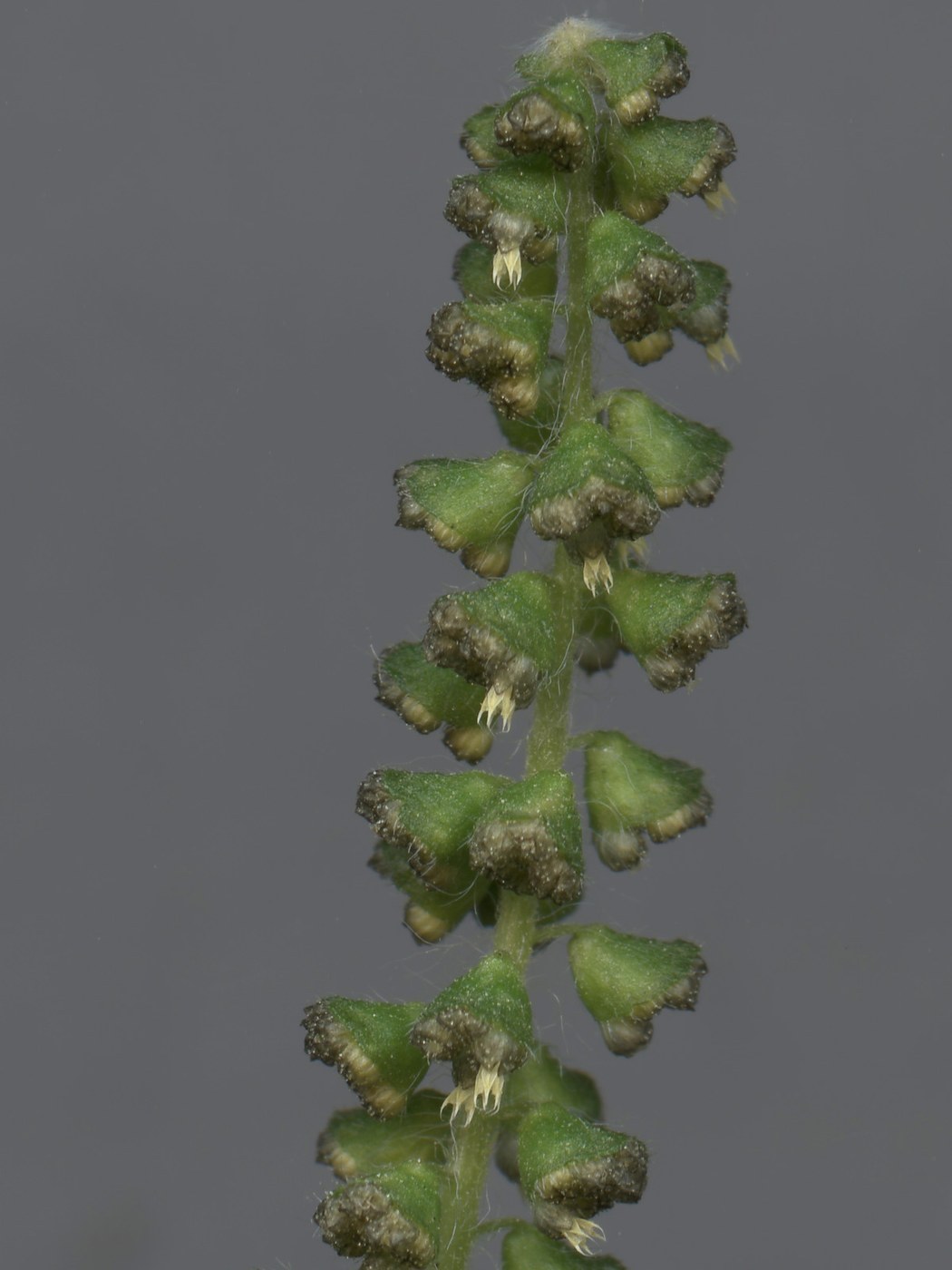
Common ragweed (Ambrosia artemisiifolia) is a fast-growing annual with finely divided, fern-like foliage and slender spikes of tiny greenish flowers. It is an exceptionally tough, low-maintenance plant of open, disturbed ground and needs almost nothing to thrive.
Light
Ragweed demands full sun and performs best in bright, open sites with at least six to eight hours of direct light. It is a pioneer of sunny disturbed soils and grows weak and spindly in shade, so give it the most open position available.
Water
Highly drought-tolerant once established, ragweed rarely needs supplemental watering. Its deep taproot pulls moisture from well below the surface. Water only occasionally during prolonged drought, and avoid soggy conditions, which this plant does not tolerate.
Soil & Potting
Ragweed is remarkably unfussy about soil, thriving in poor, dry, sandy, gravelly, or compacted ground where little else grows. It tolerates a wide pH range and needs no soil amendment. Good drainage is the only real requirement.
Humidity & Temperature
A warm-season annual, ragweed grows through the heat of summer and is unbothered by high temperatures or dry air. It germinates in spring once soil warms, matures over summer, and dies back with the first hard frost, completing its life cycle in a single season.
Feeding
No feeding is necessary; ragweed naturally colonizes low-fertility soils. Adding fertilizer simply produces larger, ranker plants. Skip feeding entirely for a compact, typical habit.
Propagation
Ragweed reproduces solely by seed, self-sowing prolifically. Seeds sown or scattered on bare soil in spring germinate readily once temperatures rise. Because it seeds so freely, most gardeners find it appears on its own rather than needing deliberate propagation.
Repotting / Pruning
As a fast annual, ragweed is not typically potted or repotted. Cutting or mowing plants back before they set seed is the main management task and prevents unwanted spread into surrounding areas.
Common Problems & Pests
Ragweed is robust and largely trouble-free, rarely bothered by pests or disease. Its chief drawback for gardeners is aggressive self-seeding; remove spent plants before seeds mature if you want to limit its spread. It can also crowd out neighboring plantings in fertile beds.
Seasonal Care Tips
Expect germination in mid to late spring as soil warms, rapid leafy growth through summer, and flowering spikes by late summer into fall. Remove or mow plants in late summer if you wish to prevent seed set, and expect the plant to die back completely at first frost.
Frequently asked questions
How much water does ragweed need?
Very little. Ragweed is deeply drought-tolerant thanks to its taproot and rarely needs watering except in prolonged drought.
What kind of soil does ragweed prefer?
It thrives in poor, dry, disturbed soils, including sandy, gravelly, or compacted ground, and needs no amendment as long as drainage is good.
How do I keep ragweed from spreading?
Cut or mow the plants before they set seed in late summer. Ragweed spreads only by prolific self-seeding, so removing plants early prevents future colonies.
Is ragweed an annual or perennial?
Common ragweed is a warm-season annual. It germinates in spring, grows and flowers through summer, and dies back completely at first frost.
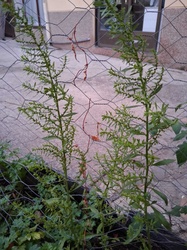
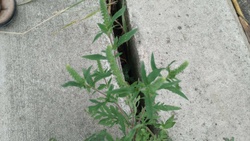
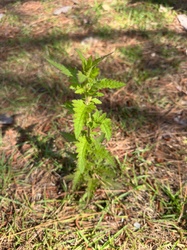
Ragweed identified by the community
Recent Ragweed specimens identified with Plant Identifier.