Ragweed Identification Guide
Identify ragweed by its deeply divided fern-like leaves and slender green flower spikes that release allergenic pollen. Includes how to separate it from goldenrod.
Read the full Ragweed encyclopedia entry →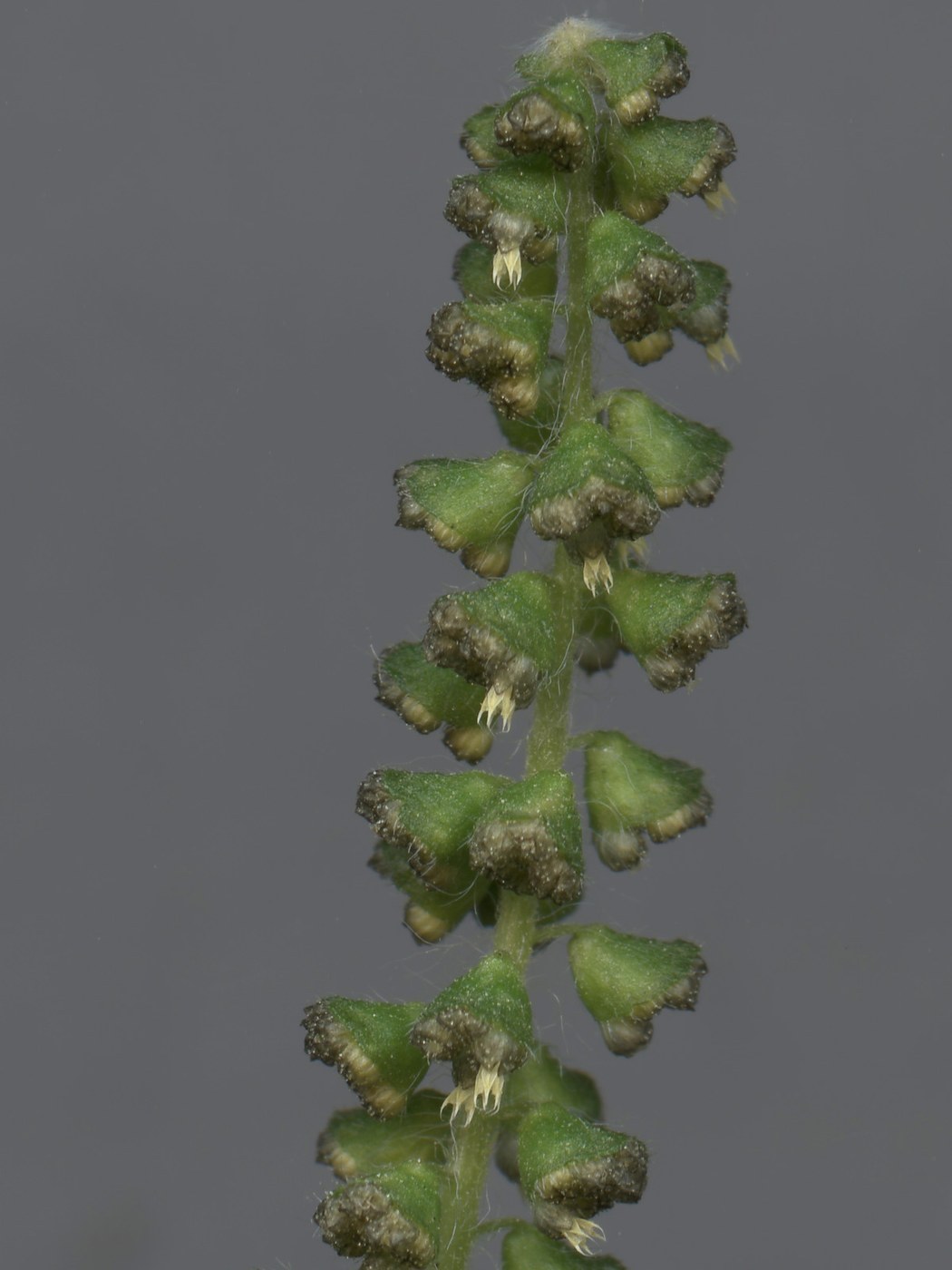
Key Identifying Features
Ragweed (Ambrosia artemisiifolia, common ragweed, and A. trifida, giant ragweed) is a summer annual best known as the chief cause of fall hay fever. Its identity rests on two features: deeply lobed, fern-like or fan-like leaves and slender upright spikes of small greenish flowers that produce abundant wind-blown pollen. The plant is unshowy and green — its flowers have no petals and no color to attract insects because it is wind-pollinated.
- Deeply divided, fern-like leaves (common) or large three-lobed leaves (giant)
- Slender green flower spikes at stem tips
- Wind-pollinated, no showy petals
- Summer annual, often hairy stems
Leaves & Stems
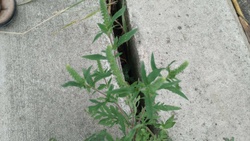
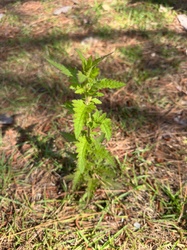
Common ragweed has bipinnately divided, lacy leaves that look almost fern-like, green on top and grayish-hairy beneath, arranged oppositely on lower stems and alternately above. Giant ragweed instead has large leaves with three (sometimes five) pointed lobes like a giant hand. Stems are erect, branched, often rough-hairy, and green to reddish. Common ragweed grows 1 to 4 feet; giant ragweed can tower to 6 to 15 feet.
Flowers & Fruit
Flowers appear in late summer to fall as narrow terminal spikes of small, drooping, greenish-yellow male flower heads that shed huge amounts of lightweight pollen. The female flowers are inconspicuous, tucked at the leaf bases below the male spikes, and develop into small woody seeds (burs). The pollen, not the flowers' looks, is the famous feature — a single plant can release millions of grains.
How to Tell It Apart from Look-Alikes
- Goldenrod: Often wrongly blamed for hay fever. Goldenrod has bright yellow showy flower plumes and insect-pollinated, sticky pollen; ragweed flowers are dull green spikes. If it is bright yellow and showy, it is goldenrod, not ragweed.
- Mugwort: Has divided leaves but they are silvery-white underneath and aromatic; ragweed is not strongly aromatic.
- Common ragweed vs. giant ragweed: Lacy fern-like leaves = common; large three-lobed leaves on a very tall plant = giant.
Where You'll Find It
Ragweed colonizes disturbed ground: roadsides, crop fields, vacant lots, riverbanks, fence rows, and waste areas across North America. It thrives in full sun and poor soil, and is most conspicuous in late summer and early fall when it flowers and sheds pollen.
Quick ID Checklist
- Deeply divided fern-like leaves (or large 3-lobed leaves in giant ragweed)
- Slender green flower spikes, no showy petals
- Hairy, branched, erect stems
- Flowers in late summer/fall
- Found in sunny disturbed ground
Dull green flower spikes over lacy leaves point to ragweed — bright yellow plumes mean you have goldenrod instead.
Frequently asked questions
Does ragweed or goldenrod cause hay fever?
Ragweed is the real culprit. Its lightweight pollen travels on the wind in huge quantities during late summer and fall. Goldenrod blooms at the same time and is often blamed, but its heavy, sticky pollen is moved by insects and rarely causes allergies.
How do I tell common ragweed from giant ragweed?
Common ragweed has lacy, deeply divided, fern-like leaves and grows 1 to 4 feet tall. Giant ragweed has large leaves with three to five pointed lobes and can reach 6 to 15 feet.
Why are ragweed flowers so plain-looking?
Ragweed is wind-pollinated, so it does not need showy petals or color to attract insects. Instead it produces inconspicuous green flower spikes that release enormous amounts of pollen into the air.
When does ragweed release pollen?
Ragweed flowers and sheds pollen from late summer into fall, typically peaking from August through the first frost, which is why hay fever symptoms spike in that window.
Ragweed identified by the community
Recent Ragweed specimens identified with Plant Identifier.