How to Care for Rat Tail Cactus
Grow Aporocactus flagelliformis, an easy trailing cactus with long ropy stems and vivid pink spring blooms, perfect for hanging baskets.
Read the full Rat Tail Cactus encyclopedia entry →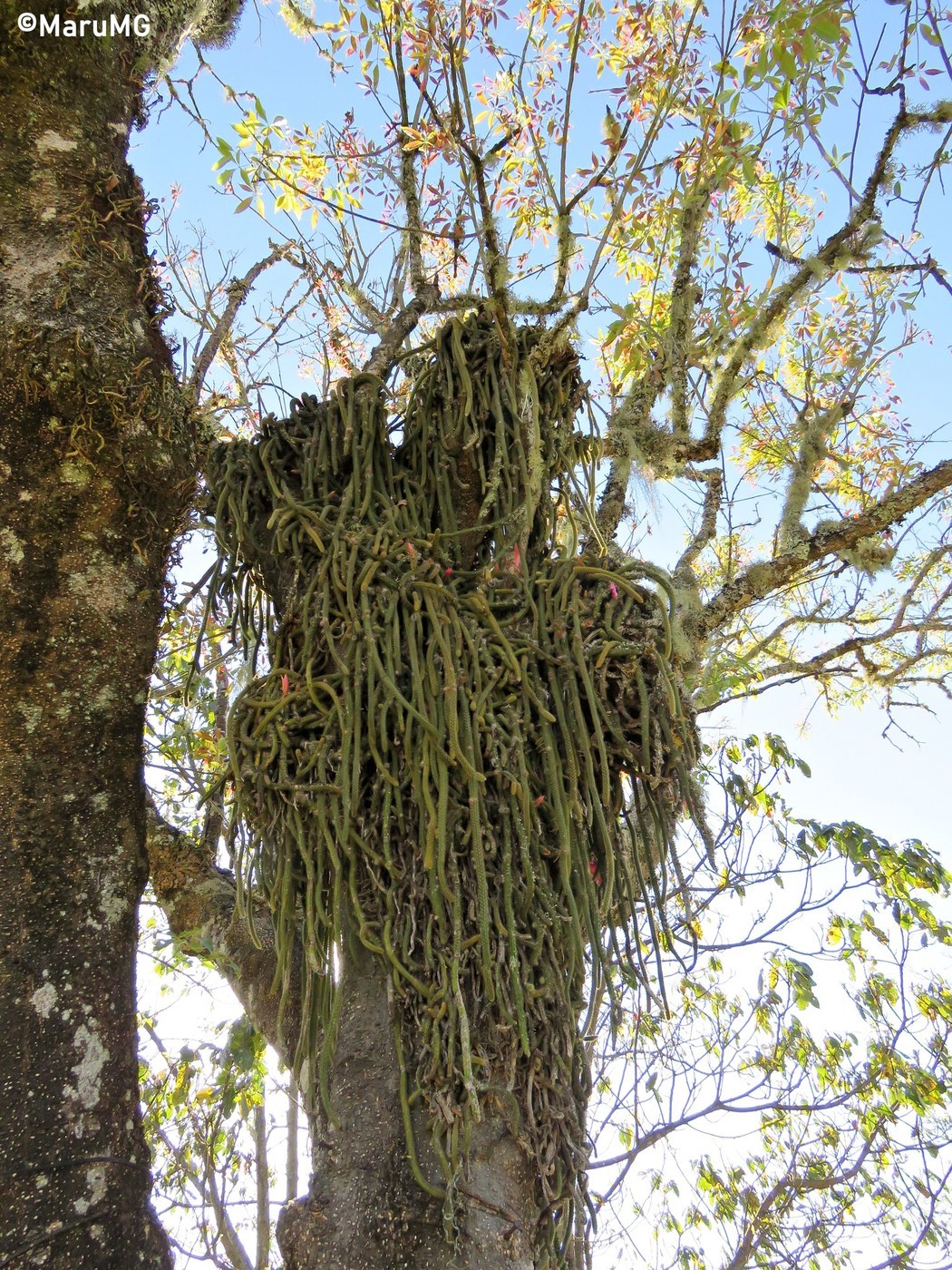
Rat Tail Cactus (Aporocactus flagelliformis) is an easygoing trailing desert cactus grown for its long, slender, spine-covered stems that cascade dramatically over the edge of a pot, topped in spring by brilliant pink to magenta tubular flowers. Its natural epiphytic habit makes it a superb hanging-basket plant.
Light
Give rat tail cactus bright light with some direct sun for the best growth and heaviest flowering. A spot near an east, south, or west window indoors is ideal, and a few hours of gentle direct sun encourages blooms. Outdoors in warm weather it appreciates bright light with protection from the harshest midday summer sun, which can scorch the thin stems. Too little light produces weak, pale, floppy growth and few flowers.
Water
Water moderately during the spring and summer growth period, letting the top of the mix dry between waterings, then soaking thoroughly and draining fully. This cactus is thirstier than most desert species when actively growing. In winter, cut water sharply and keep it nearly dry with only occasional light watering; a cool, dry winter rest is what triggers the following spring's flowers. Never let the pot sit in standing water.
Soil & Potting
Use a gritty, fast-draining cactus mix, ideally lightened further with extra pumice, perlite, or coarse sand. A container with generous drainage holes is essential. Because the trailing stems are best displayed hanging, a hanging basket or a pot on a shelf or pedestal suits it well. The mix should hold a little moisture during growth but never stay soggy.
Humidity & Temperature
Rat tail cactus enjoys warm temperatures during the growing season, ideally roughly 60 to 80F, and average household humidity suits it fine. For winter it prefers a cooler rest around 45 to 55F, which promotes flowering; keep it above freezing. It is a warm-climate plant that should be brought indoors or sheltered where frost occurs.
Feeding
Feed during spring and summer with a diluted cactus or low-nitrogen, higher-potassium fertilizer roughly every two to four weeks to support growth and flowering. Stop feeding entirely in fall and winter during the rest period. Over-feeding, especially with high-nitrogen formulas, produces soft weak stems at the expense of blooms.
Propagation
Propagation is very easy from stem cuttings. Snip a section of stem, let the cut end callus over for a few days in a dry, shaded spot, then insert it into barely moist cactus mix. Roots form readily during the warm growing season. It can also be grown from seed, but cuttings are faster and reliably reproduce the parent.
Repotting / Pruning
Repot every couple of years, or when the plant outgrows its basket, ideally in spring after flowering. Handle carefully, as the fine spines detach easily and the brittle stems can snap; wrapping the stems in newspaper or wearing gloves helps. Pruning is mainly cosmetic: trim overly long or damaged stems to shape the plant, and use the trimmings as cuttings.
Common Problems & Pests
The most common problem is overwatering, especially in winter, which causes stem rot and mushy, discolored growth. Watch for mealybugs (white cottony clusters) and scale on the stems, plus spider mites in hot, dry conditions; treat with insecticidal soap or by dabbing pests with alcohol. Shriveled, wrinkled stems usually mean underwatering during the growth period, while a total lack of flowers points to too little light or a missed cool, dry winter rest.
Seasonal Care Tips
In spring, resume regular watering and feeding as growth restarts and buds form; enjoy the flush of pink blooms. Through summer, keep it well-lit and watered during active growth. In fall, taper off water and feeding to prepare for dormancy. In winter, give it a cool, bright, nearly dry rest to set next year's flower buds, which is the single most important step for reliable spring bloom.
Frequently asked questions
Why won't my rat tail cactus bloom?
The most common reasons are too little light and a missing winter rest. Give it bright light with some direct sun, and keep it cool and nearly dry through winter. That cool, dry dormancy is what triggers the spring flowers.
How often should I water a rat tail cactus?
During spring and summer growth, water thoroughly whenever the top of the mix dries, then let it drain fully. In winter, water only sparingly to keep it nearly dry. Overwatering, especially in winter, is the main cause of rot.
Why is it a good hanging-basket plant?
Its long, slender stems trail and cascade over the pot rim, sometimes several feet, so a hanging basket or elevated pot displays them beautifully and keeps the brittle stems from being crushed.
How do I propagate a rat tail cactus?
Take a stem cutting, let the cut end callus for a few days, then insert it into barely moist, fast-draining cactus mix. Roots form quickly during warm weather.
Rat Tail Cactus identified by the community
Recent Rat Tail Cactus specimens identified with Plant Identifier.