Rat Tail Cactus
Aporocactus flagelliformis
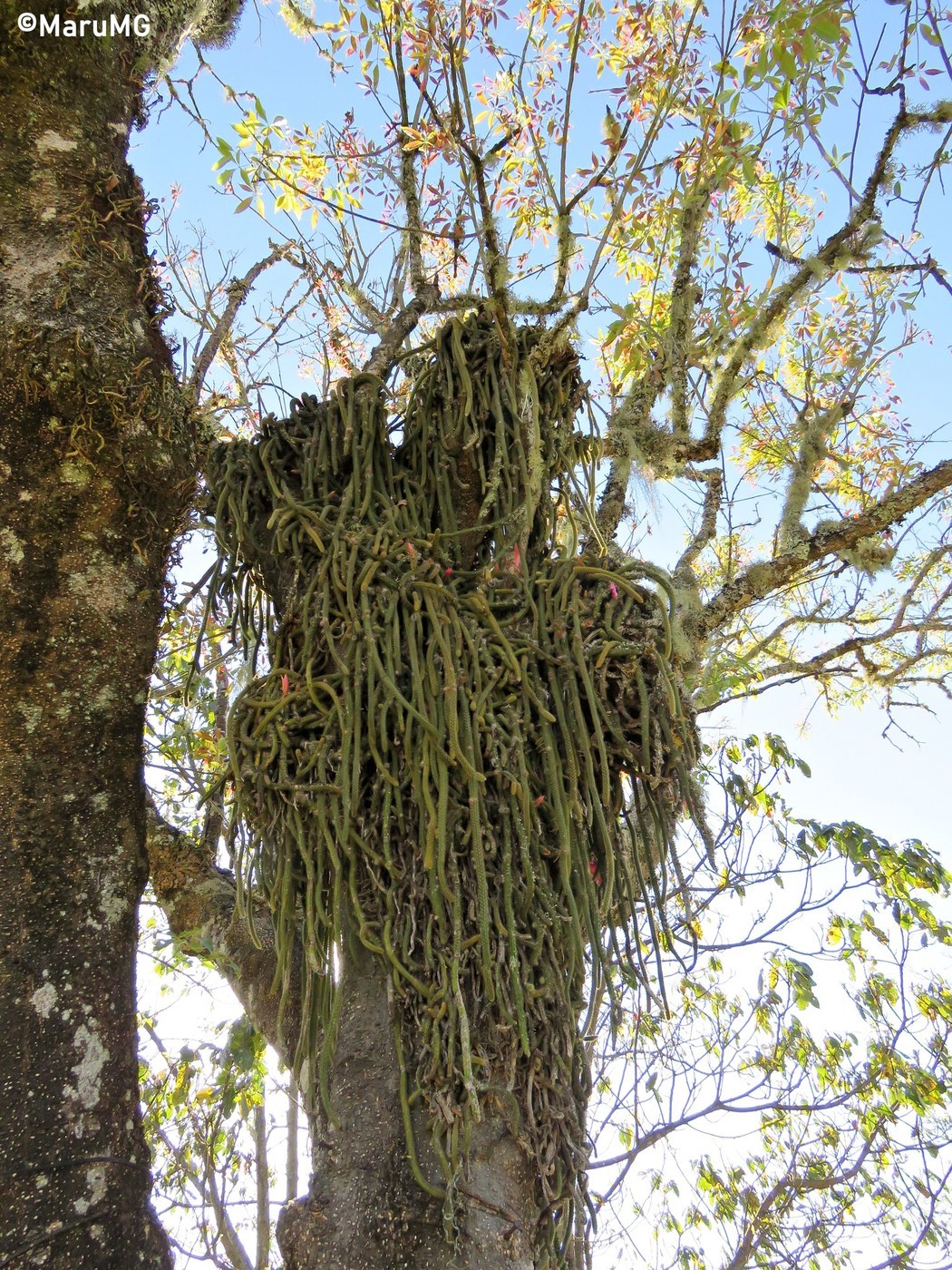
A trailing epiphytic cactus with long, slender, spiny stems that hang like rat tails and burst into vivid pink-magenta flowers in spring. It is a spectacular choice for hanging baskets.
- Light
- Bright light to some direct sun
- Water
- Moderate in growth; dry in winter
- Difficulty
- Easy
Got a plant like this?
Identify any plant from a photo, free.
Overview
The Rat Tail Cactus is a trailing cactus famous for its long, thin, ribbed stems that can cascade several feet over the edge of a pot. As an epiphyte in the wild it grows on rocks and trees, so it appreciates a bit more water than desert cacti.
In spring it produces a dazzling display of large, bright pink to magenta tubular flowers along the stems, making it one of the showiest trailing cacti.
Easy and fast-growing, it is a classic hanging-basket plant. It is sometimes listed under the synonym Disocactus flagelliformis.
How to identify it
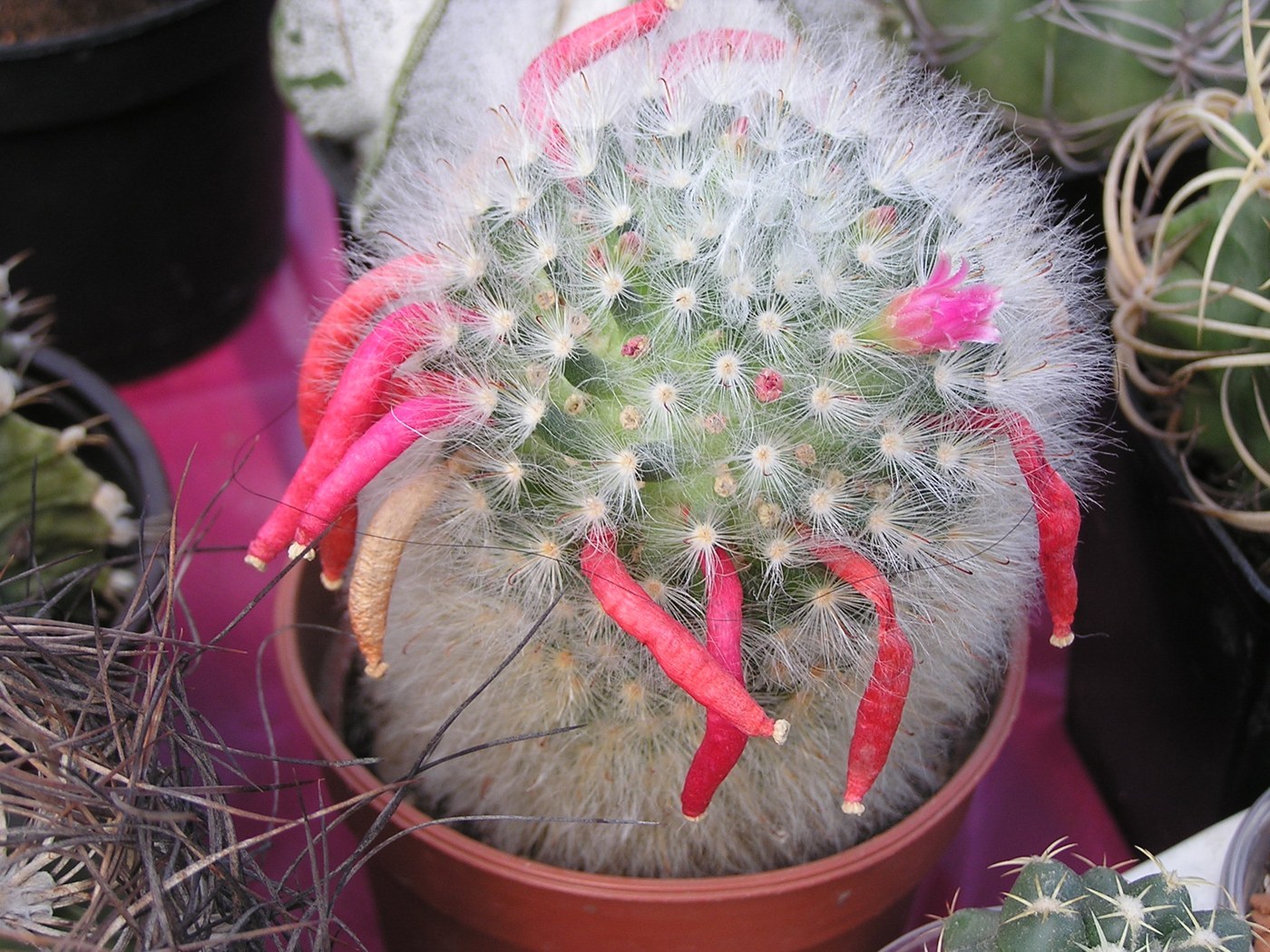
- Stems: Long, slender, ribbed, trailing green stems up to 3-4 ft (1 m+), densely covered in fine spines
- Spines: Numerous short brownish bristly spines
- Flowers: Large, vivid pink to magenta, tubular blooms along the stems in spring
- Habit: Pendulous and cascading - ideal for hanging containers
- Type: Epiphytic cactus that grows on rocks and trees in nature
Care & growing
Light: Bright light with some morning direct sun promotes the best flowering.
Water: Water more generously than desert cacti during spring and summer growth, letting the top dry between waterings; reduce sharply in winter for a cool, dry rest.
Soil: Free-draining mix with some organic matter, reflecting its epiphytic nature.
Temperature: Warm in growth; a cool, dry winter rest encourages blooming.
Feeding: Diluted cactus or high-potassium feed during the growing season.
Propagation: Very easy from stem cuttings allowed to callus before potting.
Habitat & origin
Aporocactus flagelliformis is native to Mexico, where it grows as an epiphyte clinging to rocks and trees in oak and pine forests at moderate elevations.
Long popular in cultivation, it is grown worldwide as an ornamental trailing cactus and is now rare in the wild within its native range.
Frequently asked questions
Why isn't my Rat Tail Cactus flowering?
It needs bright light and a cool, dry winter rest. Skipping the dormant period or keeping it in low light suppresses the spring blooms.
Does it need more water than other cacti?
Yes. As an epiphyte it appreciates more regular watering in spring and summer, though you should still let the top dry and keep it dry in winter.
How big do the stems get?
The trailing stems can grow 3 to 4 feet or more, making it perfect for hanging baskets.
How do I propagate it?
Very easily from stem cuttings; let the cut end callus for a few days, then pot it in a free-draining mix.
Rat Tail Cactus guides
In-depth guides for identifying, growing, and caring for Rat Tail Cactus.
How to Care for Rat Tail Cactus
Grow Aporocactus flagelliformis, an easy trailing cactus with long ropy stems and vivid pink spring blooms, perfect for hanging baskets.
Rat Tail Cactus Identification Guide
Identify the Rat Tail Cactus (Disocactus flagelliformis) by its long, trailing rope-like stems and bright pink-magenta tubular flowers.
Rat Tail Cactus identified by the community
Real specimens identified with Plant Identifier.