
How to Care for Red Clover
Red clover (Trifolium pratense) is an easy, sun-loving legume with rosy flower heads, great for meadows and cover cropping.
Read the full Red Clover encyclopedia entry →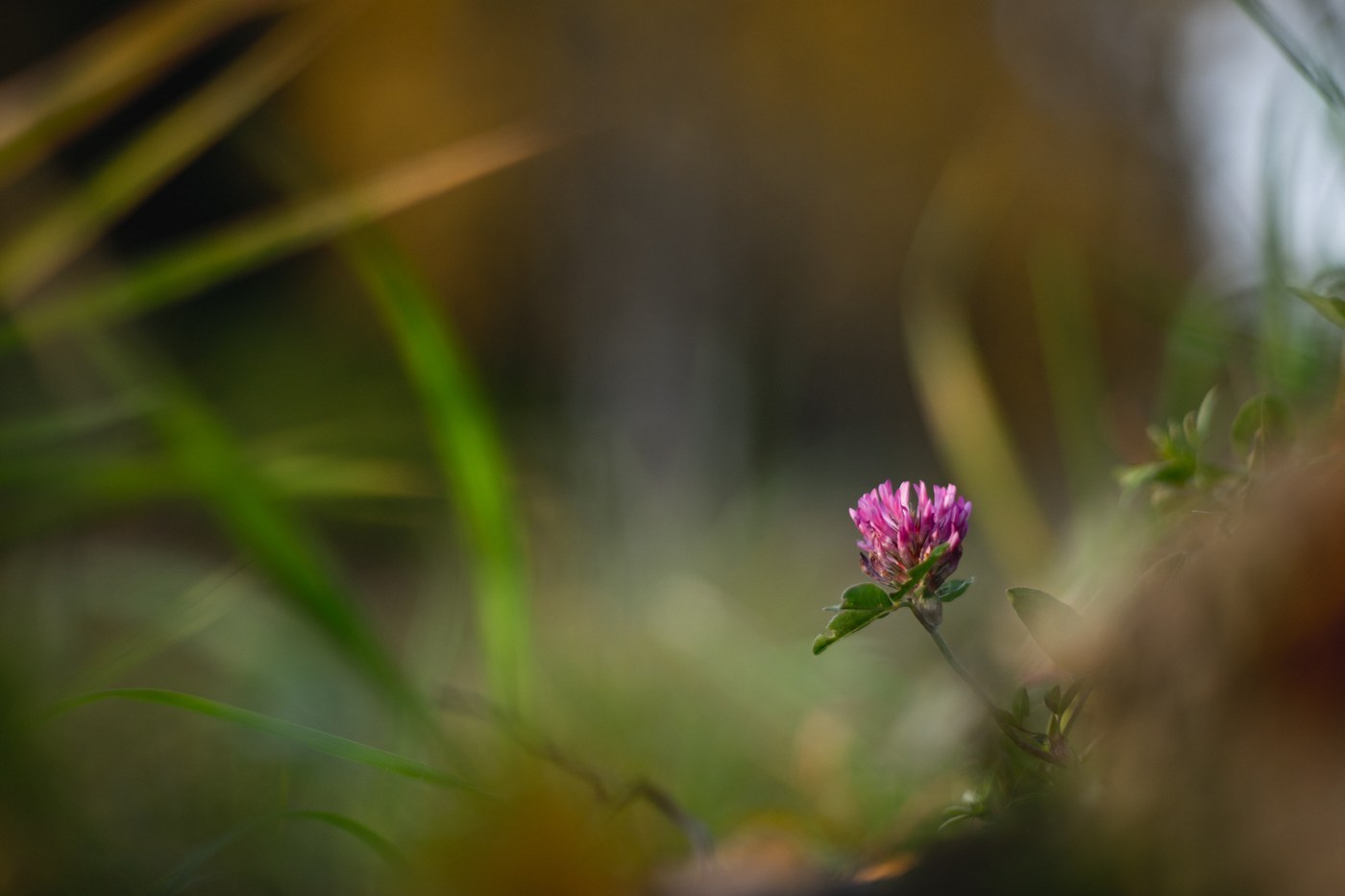
Red clover (Trifolium pratense) is a short-lived perennial legume grown for its cheerful rose-pink flower heads and its value as a cover crop and pollinator plant. It is easy, adaptable, and drought-tolerant once established.
Light
Red clover grows best in full sun, needing at least 6 hours of direct light for dense growth and abundant blooms. It tolerates light shade but becomes leggy and flowers less freely where it is shaded for much of the day.
Water
Provide moderate water while plants are getting established. Once rooted, red clover is notably drought-tolerant thanks to its deep taproot and can coast through dry spells. Avoid waterlogged ground, which invites root and crown rot. Water new sowings regularly until they knit together.
Soil & Potting
Red clover adapts to a wide range of soils but prefers a well-drained loam with a near-neutral pH of about 6.0 to 7.0. As a legume it fixes its own nitrogen with the help of rhizobia bacteria, so it thrives even in moderately poor soil. Good drainage matters more than fertility. Prepare a firm, fine seedbed for direct sowing.
Humidity & Temperature
A cool-season plant, red clover grows best in the mild temperatures of spring and fall, roughly 50 to 75 F. It is hardy through cold winters as a perennial but slows or dies back in extreme summer heat and humidity, where it is often shorter-lived.
Feeding
Because it fixes nitrogen, red clover needs little or no nitrogen fertilizer; too much actually reduces its natural nodulation. If soil is poor, phosphorus and potassium help establishment. For a reliable stand, inoculate seed with the appropriate rhizobium before sowing, especially in ground that has not grown clover before.
Propagation
Red clover is grown from seed, broadcast or drilled at about 1/4 inch deep onto a firm seedbed in early spring or late summer. It germinates readily and can self-seed. Frost-seeding onto thawing ground in late winter is a common technique for pastures and meadows.
Repotting / Pruning
Grown in the ground rather than pots, red clover benefits from occasional mowing or cutting back after the first flush of bloom, which encourages fresh growth and can prompt a second flowering. Cutting before heavy seed set also keeps a stand from becoming weedy.
Common Problems & Pests
Red clover can suffer from fungal issues like clover rot (Sclerotinia), powdery mildew, and various leaf spots, especially in wet, crowded conditions; good drainage and airflow help. Root and crown rots appear in soggy soil. Aphids and clover-specific weevils may feed on foliage but rarely cause lasting harm in a vigorous stand.
Seasonal Care Tips
Sow in early spring or late summer when soil is cool and moist. Expect peak bloom in late spring and early summer, with a possible rebloom after cutting. As a short-lived perennial, plan to reseed every few years to keep the stand thick. Let some heads mature if you want it to self-sow.
Frequently asked questions
Does red clover come back every year?
It is a short-lived perennial, typically lasting 2 to 3 years. It often self-seeds, but for a dense stand plan to reseed every few years.
Do I need to fertilize red clover?
Rarely. As a nitrogen-fixing legume it feeds itself, and excess nitrogen actually weakens that ability. Just ensure good drainage and, in new ground, inoculate the seed with rhizobium bacteria.
How drought-tolerant is red clover?
Very, once established. Its deep taproot lets it handle dry spells, though it appreciates moderate water while young and blooms best with occasional moisture.
When is the best time to sow red clover?
Early spring or late summer, when soil is cool and moist. Frost-seeding onto thawing late-winter ground also works well for meadows and pastures.