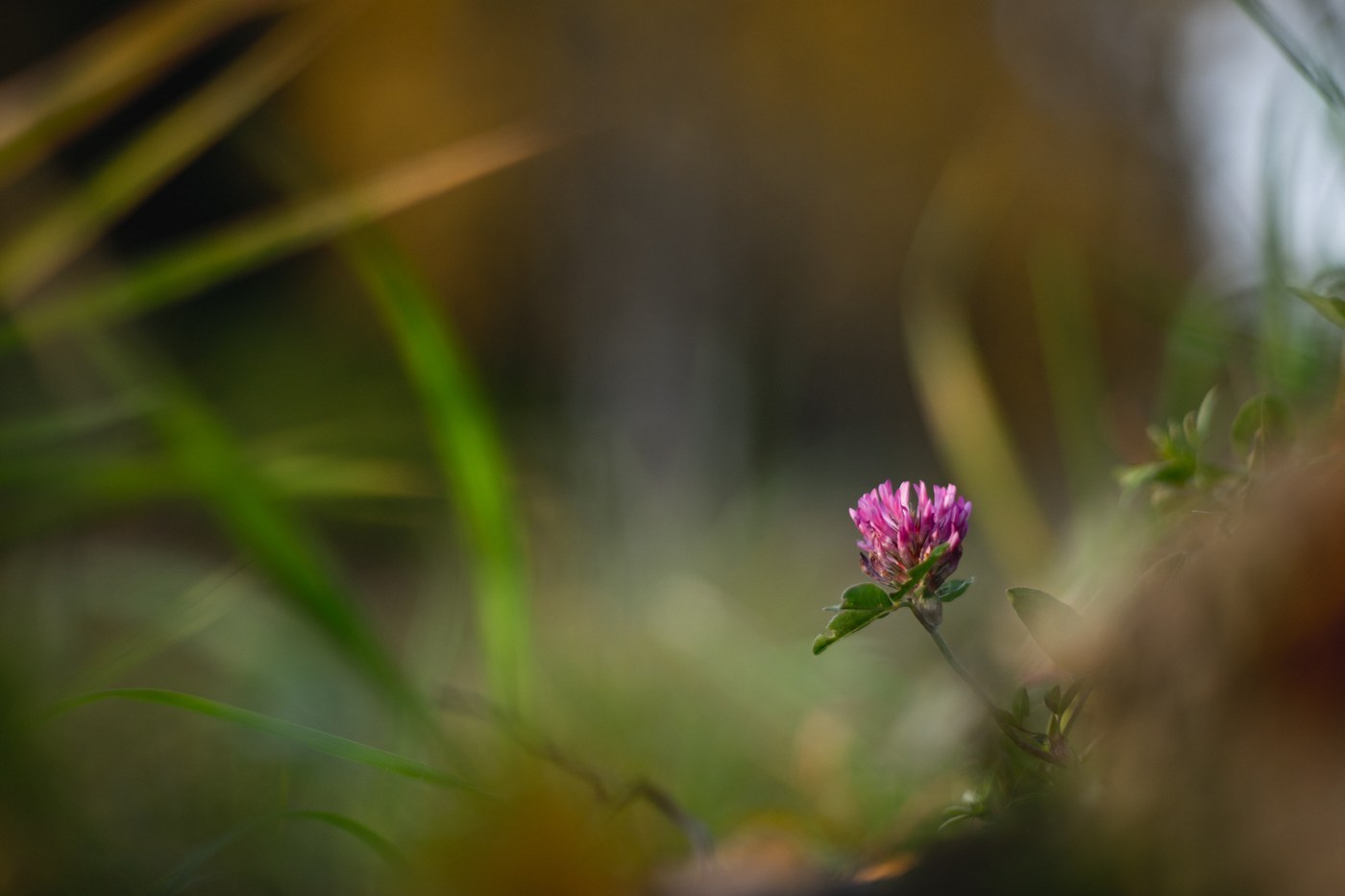
Red Clover
Trifolium pratense
Red clover is a short-lived perennial legume with rounded pinkish-purple flower heads, widely grown as a nitrogen-fixing cover crop and forage plant.
- Light
- Full sun
- Water
- Moderate; drought-tolerant once established
- Difficulty
- Easy
Got a plant like this?
Identify any plant from a photo, free.
Overview
Red clover (Trifolium pratense) is a perennial flowering legume in the pea family (Fabaceae), native to Europe, Western Asia and northwest Africa and now naturalized across much of the temperate world.
Like other legumes it forms a symbiosis with Rhizobium bacteria in root nodules, fixing atmospheric nitrogen into the soil. This makes it a staple cover crop, green manure and pasture forage.
Its rounded pink-purple flower heads and trifoliate leaves make it one of the most recognizable wild and field-grown legumes.
How to identify it
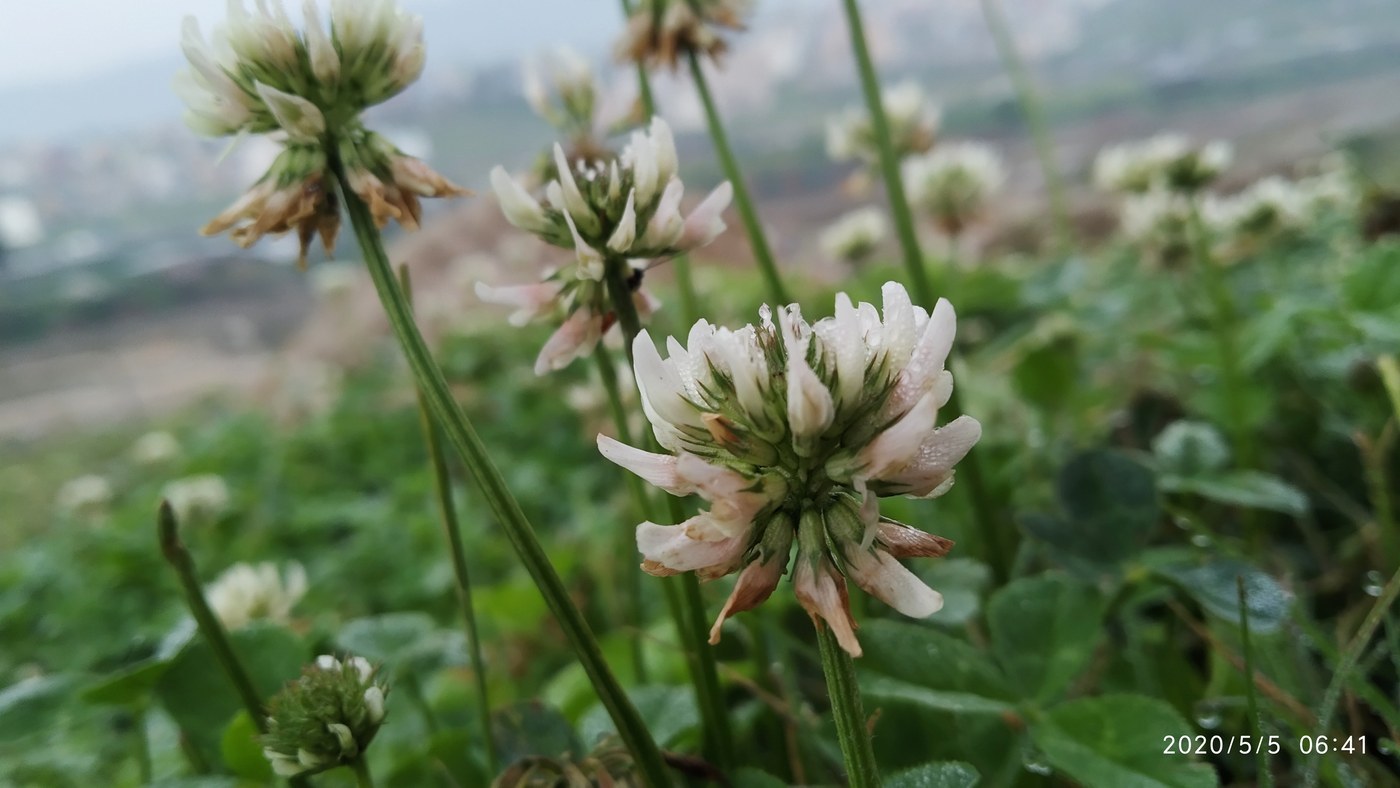
- Flowers: dense, rounded to oval heads about 2-3 cm across, made of many small pink to magenta-purple florets
- Leaves: trifoliate (three leaflets), each oval leaflet usually marked with a pale V-shaped or crescent watermark
- Stems: soft, somewhat hairy, 20-60 cm tall, often sprawling then upright
- Habit: short-lived perennial forming loose clumps
- Roots: deep taproot with nitrogen-fixing nodules
Care & growing
Light: Full sun for best growth and flowering.
Water: Moderate moisture; well established plants tolerate drought thanks to their taproot.
Soil: Adapts to a wide range of soils but prefers well-drained, near-neutral loam; thrives without added nitrogen.
Temperature: Cool-season grower, hardy through about USDA zones 4-8.
Feeding: Generally none needed; it supplies its own nitrogen. Phosphorus and potassium help on poor soils.
Propagation: Sow seed directly in spring or late summer; often inoculated with rhizobia for best nodulation.
Habitat & origin
Native to Europe, western Asia and northwestern Africa, red clover grows naturally in meadows, grasslands, roadsides and field margins. It has been carried worldwide as a forage and cover crop and is now naturalized throughout North America and other temperate regions.
It is widely sown in pastures, hay fields, orchards and gardens as a soil-improving green manure.
Frequently asked questions
Does red clover really improve soil?
Yes. As a legume it hosts nitrogen-fixing bacteria in its roots, adding nitrogen and organic matter when tilled in, which is why it is a popular green manure and cover crop.
Is red clover a perennial?
It is a short-lived perennial, often behaving like a biennial; it usually persists two to three years and self-seeds readily.
Is red clover good for bees?
It is an excellent nectar plant, especially favored by long-tongued bumblebees, and is widely planted for pollinator support.
How do I identify red clover?
Look for trifoliate leaves with pale crescent markings, soft hairy stems, and dense rounded heads of small pink to magenta-purple flowers.
Red Clover guides
In-depth guides for identifying, growing, and caring for Red Clover.
How to Care for Red Clover
Red clover (Trifolium pratense) is an easy, sun-loving legume with rosy flower heads, great for meadows and cover cropping.
Red Clover Identification Guide
How to identify red clover (Trifolium pratense) by its three-part leaves with pale chevrons, rounded pink-purple flower heads, and hairy stems.