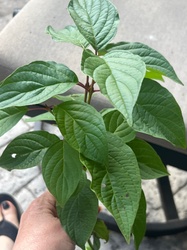
How to Care for Red Twig Dogwood
Grow red twig dogwood (Cornus sericea) for glowing red winter stems. This easy, moisture-loving shrub thrives in sun and tolerates wet soil.
Read the full Red Twig Dogwood encyclopedia entry →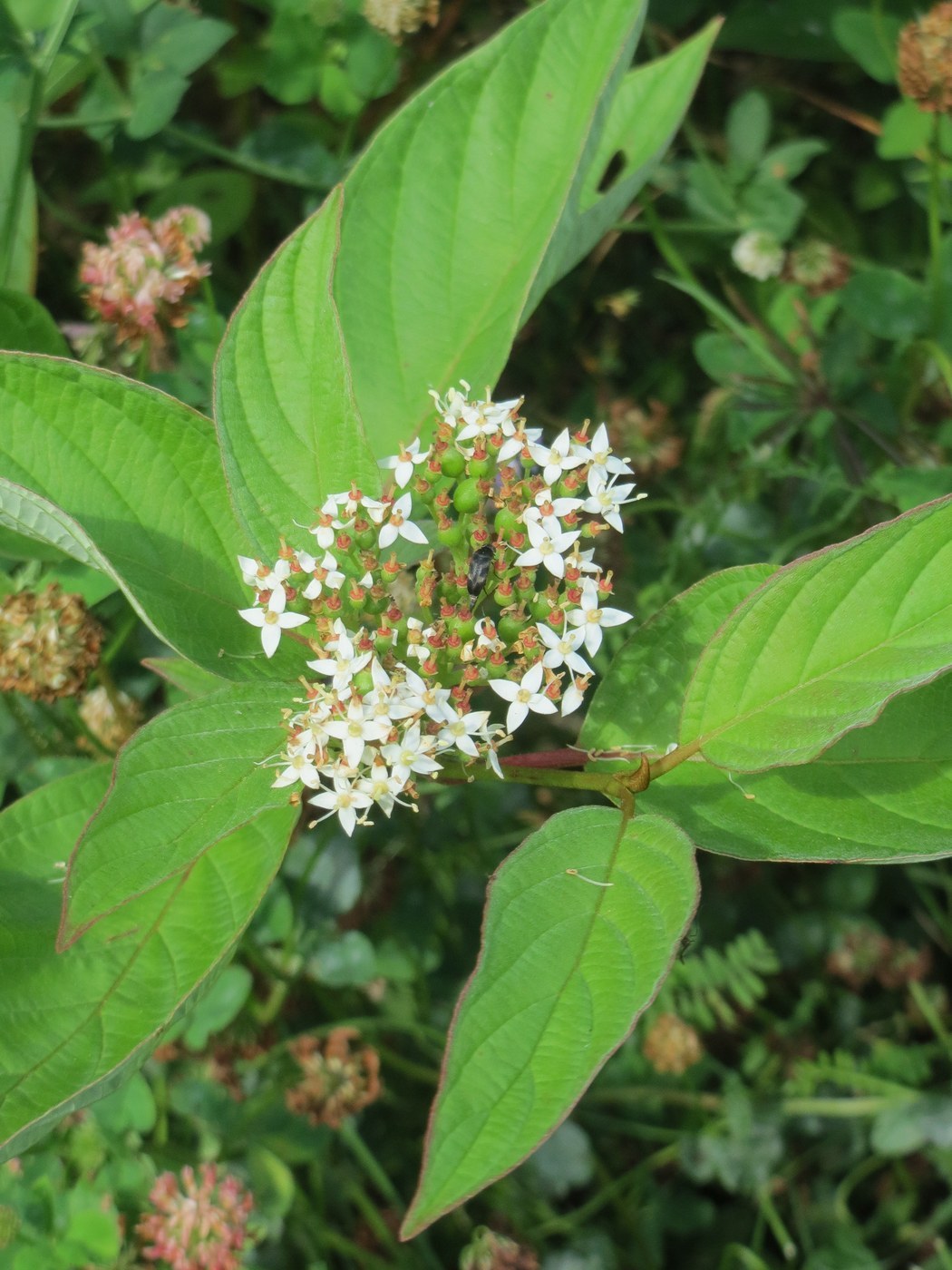
Red twig dogwood (Cornus sericea) is a hardy, deciduous shrub grown above all for its brilliant red stems that blaze against winter snow. Adaptable and forgiving, it tolerates wet ground where many shrubs fail, making it an easy, high-impact choice for damp spots and mixed borders.
Light
Grows in full sun to part shade. The most intense stem color develops in full sun, so for the best winter display give it at least 6 hours of direct light. It will grow in part shade but the reds turn muddier and the shrub can become looser and more open.
Water
This is a moisture lover. It prefers consistently medium to high soil moisture and, unusually among shrubs, tolerates wet, boggy sites and seasonal flooding. Water regularly during establishment and in dry spells, especially in sun. It is far more forgiving of too much water than too little.
Soil & Potting
Undemanding about soil type, red twig dogwood thrives in average to rich soils and does especially well in heavy, moisture-retentive clay and along pond and stream edges. It tolerates a range of pH. Mulch generously to keep roots cool and moist. It is not typically a container plant long-term but young plants can be held in large pots with a moisture-retentive mix.
Humidity & Temperature
Very cold-hardy, it is at home in cold-winter climates and actually needs a proper cold season to produce its best winter stem color. Ambient humidity is not a concern. It handles summer heat best where soil stays moist; hot, dry sites stress it.
Feeding
A light feeder. A single spring application of a balanced granular fertilizer or a top-dressing of compost is plenty. Avoid heavy nitrogen, which pushes soft growth at the expense of sturdy, well-colored stems.
Propagation
Easy to propagate. Hardwood cuttings taken from dormant stems in late fall or winter root readily when stuck in moist soil. Softwood cuttings root in summer under humidity. It also layers naturally where low branches touch damp ground, and suckers can be dug and divided from the spreading clump.
Repotting / Pruning
Pruning is the single most important task, because color is brightest on young, one- and two-year-old wood. In late winter or early spring, cut about a third of the oldest stems to the ground each year (coppicing) to continuously renew bright growth; older stems fade to dull brown. Every few years you can hard-prune the entire shrub to a few inches for a total reset. It suckers and spreads, so remove unwanted runners to control its footprint.
Common Problems & Pests
Generally robust. Leaf spot and canker can appear, especially on old, crowded or stressed stems; annual renewal pruning and good airflow prevent most issues. Scale, aphids and leaf miners may show up but are seldom serious. Poor stem color almost always traces back to too much shade or too little renewal pruning of old wood.
Seasonal Care Tips
The show is in winter, so plant where you'll see the red stems against snow or evergreens. Do renewal pruning in late winter before bud break. Watch soil moisture through summer, keeping it damp in heat. Enjoy white spring flower clusters and fall foliage color, then let the leaves drop to reveal the winter stems.
Frequently asked questions
Why aren't my red twig dogwood stems very red?
Two common causes: too much shade, and too many old stems. Move it to full sun and prune out about a third of the oldest wood each late winter, since color is brightest on young stems.
How and when should I prune red twig dogwood?
In late winter or early spring, cut roughly one-third of the oldest stems to the ground each year to renew bright color, or hard-coppice the whole shrub every few years for a full reset.
Can red twig dogwood grow in wet soil?
Yes. It's one of the best shrubs for damp and boggy ground, tolerating consistently wet soil and even seasonal flooding while preferring steady moisture.
How do I propagate red twig dogwood?
Take dormant hardwood cuttings in late fall or winter and stick them in moist soil, or divide the suckers and rooted layers that form where branches touch the ground.
Red Twig Dogwood identified by the community
Recent Red Twig Dogwood specimens identified with Plant Identifier.