
How to Care for Rex Begonia
Grow show-stopping Rex Begonia with bright indirect light, steady moisture, and the high humidity its jewel-toned foliage craves.
Read the full Rex Begonia encyclopedia entry →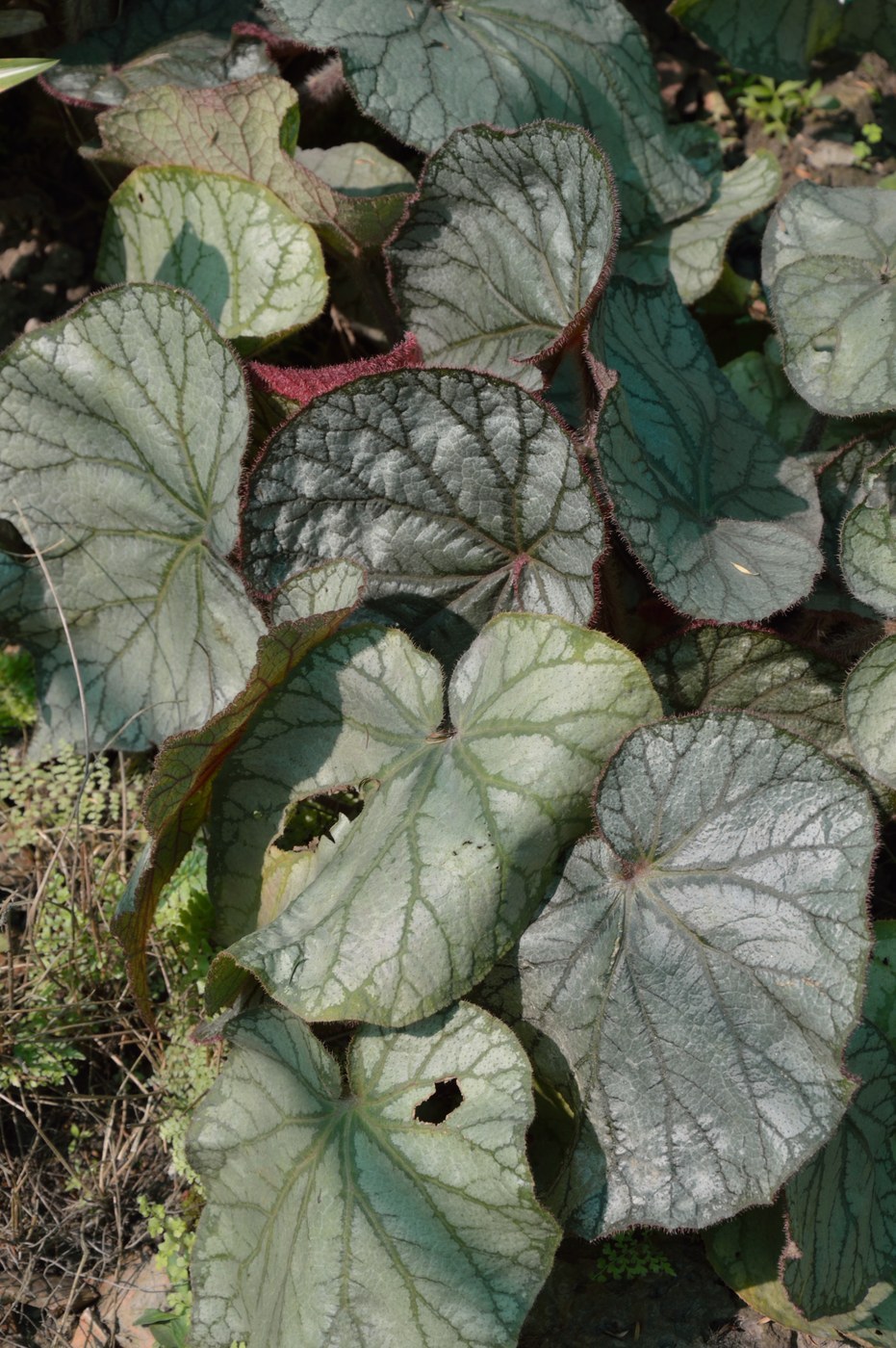
Rex Begonia (Begonia rex) is a rhizomatous foliage begonia prized for its swirling, metallic leaves in shades of silver, plum, emerald, and rose. It is a moderate-difficulty houseplant that rewards attention to humidity and watering with dramatic, ever-changing color.
Light
Give Rex Begonia bright indirect light. An east-facing window or a spot a few feet back from a brighter window is ideal. Strong, direct midday sun scorches the thin leaves and fades their patterning, while too little light makes the plant leggy and dulls the coloration. Rotate the pot every week or two so growth stays even and all sides color up.
Water
Keep the soil lightly moist, letting the top inch or so of soil dry before watering again. Water thoroughly until it drains from the bottom, then empty the saucer. These begonias resent both soggy roots and complete drought, so aim for consistent, moderate moisture. Water at the soil line rather than overhead, and use room-temperature water to avoid shocking the roots.
Soil & Potting
Use a light, airy, fast-draining mix. A blend of peat or coco coir with perlite and a little orchid bark works well, mimicking the loose leaf litter these rhizomatous begonias grow in. Choose a wide, shallow pot rather than a deep one, since the rhizome creeps along the surface. Terracotta helps wick away excess moisture if you tend to overwater.
Humidity & Temperature
Humidity is the make-or-break factor. Rex Begonias thrive at 50 percent humidity or higher; in dry indoor air the leaf edges brown and crisp. Set the pot on a pebble tray, group it with other plants, or run a humidifier. Avoid misting the fuzzy leaves directly, which can encourage fungal spotting. Keep temperatures between 60 and 75 degrees Fahrenheit and shield the plant from cold drafts, heat vents, and sudden temperature swings.
Feeding
Feed during the active growing season, spring through early fall, with a balanced liquid fertilizer diluted to half strength every two to four weeks. These are light feeders, so err on the weak side; excess fertilizer salts burn the delicate roots and leaf margins. Stop feeding in winter when growth slows.
Propagation
Rex Begonias propagate readily from leaf cuttings. Take a healthy leaf, make small cuts across the main veins on the underside, and lay it flat on moist potting mix, pinning it down so the cut veins contact the surface. Cover loosely to hold humidity, keep warm and bright, and tiny plantlets will form at the cuts over several weeks. You can also divide the rhizome or root rhizome sections laid on damp mix.
Repotting / Pruning
Repot every year or two in spring, or when the rhizome crowds the pot edge, moving up just one size. Rex Begonias actually flower better and stay tidier when slightly snug. Prune by pinching back leggy growth and removing any tired, spotted, or yellowing leaves to keep the plant compact and encourage fresh foliage. Pinch off the small flower stalks if you prefer to direct energy into leaves.
Common Problems & Pests
Powdery mildew is the most common issue, appearing as white dusty patches; improve air circulation and avoid wetting the leaves. Botrytis and leaf-edge browning point to overly wet or overly dry conditions respectively. Watch for mealybugs, thrips, and spider mites, especially in dry air; wipe or treat with insecticidal soap. Mushy stems or a collapsing rhizome signal rot from overwatering, so ease off and improve drainage.
Seasonal Care Tips
In spring and summer, maintain steady moisture, feed lightly, and enjoy peak color. In fall, reduce feeding as growth slows. In winter, water more sparingly and keep the plant away from cold windows and dry heater air; some rhizomatous Rex Begonias take a semi-dormant rest, dropping a few leaves, and will flush back out come spring. If a plant declines badly in winter, cut back and keep the rhizome barely moist until new growth appears.
Frequently asked questions
Why are my Rex Begonia's leaf edges turning brown and crispy?
This almost always signals low humidity or inconsistent watering. Raise humidity to 50 percent or more with a pebble tray or humidifier, keep the soil evenly lightly moist, and move the plant away from heat vents and drafts.
Should I mist my Rex Begonia?
Avoid misting the leaves directly, since water sitting on the fuzzy foliage encourages powdery mildew and fungal spotting. Instead raise ambient humidity with a pebble tray, a humidifier, or by grouping plants together.
How do I propagate a Rex Begonia?
Lay a healthy leaf face-up on moist potting mix after nicking its main veins, or pin it vein-side down onto damp soil. Keep it warm, bright, and humid, and plantlets will sprout from the cut veins in several weeks.
Why is my Rex Begonia getting leggy and losing color?
Too little light is the usual cause. Move it to a brighter spot with strong indirect light, rotate it regularly for even growth, and pinch back stretched stems to encourage a fuller, more colorful plant.