Rex Begonia
Begonia rex
A foliage begonia grown for its spectacular, swirled leaves in silver, purple, pink, and green. Dazzling but humidity-loving and a bit fussy.
- Light
- Bright indirect light
- Water
- Keep lightly moist; let topsoil dry
- Difficulty
- Moderate
Got a plant like this?
Identify any plant from a photo, free.
Overview
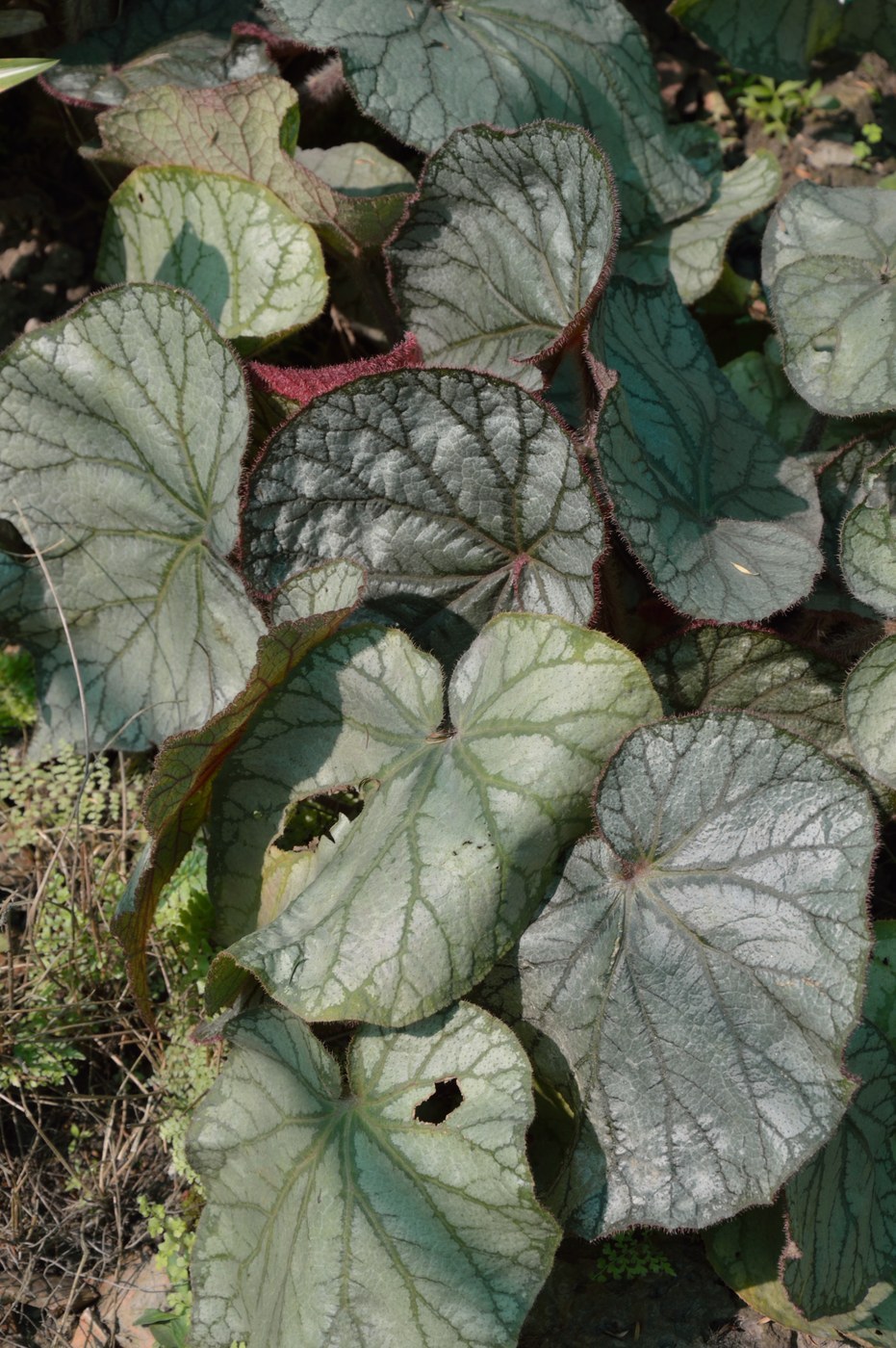
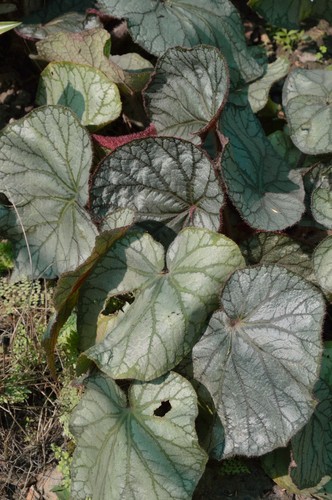
Rex Begonia is a rhizomatous begonia grown almost entirely for its extraordinary leaves rather than its flowers. The large, asymmetrical leaves come in dazzling combinations of silver, purple, burgundy, pink, and green, often with metallic sheens and spiraled bases.
A huge range of named hybrids exists, all derived from Begonia rex and related species. The plants are compact and clump-forming but appreciate the warmth and humidity of their tropical origins, which makes them a bit more demanding than typical houseplants.
How to identify it
Recognize it by:
- Leaves: large, asymmetrical, often with a spiraled or 'snail-shell' base; brilliantly patterned in silver, purple, pink, green, and burgundy
- Texture: somewhat puckered or quilted, sometimes with a metallic shimmer; undersides often reddish and hairy
- Habit: low, clumping, spreading from a surface rhizome
- Stems: short; growth arises from a creeping rhizome rather than tall stems
- Flowers: small pink or white blooms, secondary to the foliage and often removed
Care & growing
Light: Bright indirect light brings out the best leaf color; avoid direct sun, which scorches the foliage.
Water: Keep lightly moist, letting the top of the soil dry slightly. Water at the base to keep foliage dry, as wet leaves invite mildew.
Soil: Light, airy, well-draining mix; the shallow rhizome prefers a wide, shallow pot.
Temperature: 65-80F (18-27C); dislikes cold.
Humidity: High humidity is ideal, but ensure good airflow to prevent powdery mildew.
Feeding: Diluted balanced fertilizer during the growing season.
Propagation: Easy from leaf cuttings (leaf or leaf-vein cuttings) and rhizome division.
Habitat & origin
Begonia rex is native to eastern Asia, particularly the forests of northeastern India and surrounding regions, where it grows on the humid, shaded forest floor and among rocks.
The countless hybrids are grown worldwide as indoor foliage plants, in terrariums, and as shade plants in containers in mild climates.
Frequently asked questions
Why does my Rex Begonia have powdery white spots on the leaves?
That is likely powdery mildew, common in humid, still air. Improve airflow, avoid wetting the leaves, and remove affected foliage.
Why are my Rex Begonia's leaf colors fading?
Too little light dulls the vivid patterns, while harsh direct sun bleaches them. Aim for bright indirect light for the richest color.
How do I propagate a Rex Begonia?
Take a healthy leaf and either pin it to moist soil with the veins nicked, or cut it into wedges; new plantlets form at the cut veins.
Rex Begonia guides
In-depth guides for identifying, growing, and caring for Rex Begonia.
How to Care for Rex Begonia
Grow show-stopping Rex Begonia with bright indirect light, steady moisture, and the high humidity its jewel-toned foliage craves.
Rex Begonia Identification Guide
Recognize Begonia rex-cultorum by its large, asymmetrical, swirled leaves in metallic silver, purple, pink, and green, with hairy red-backed undersides.