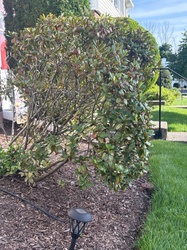
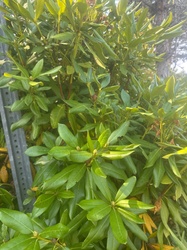
How to Care for Rhododendron
Grow Rhododendron (Rhododendron ponticum), an evergreen shrub with showy spring flowers that thrives in acidic, dappled shade.
Read the full Rhododendron encyclopedia entry →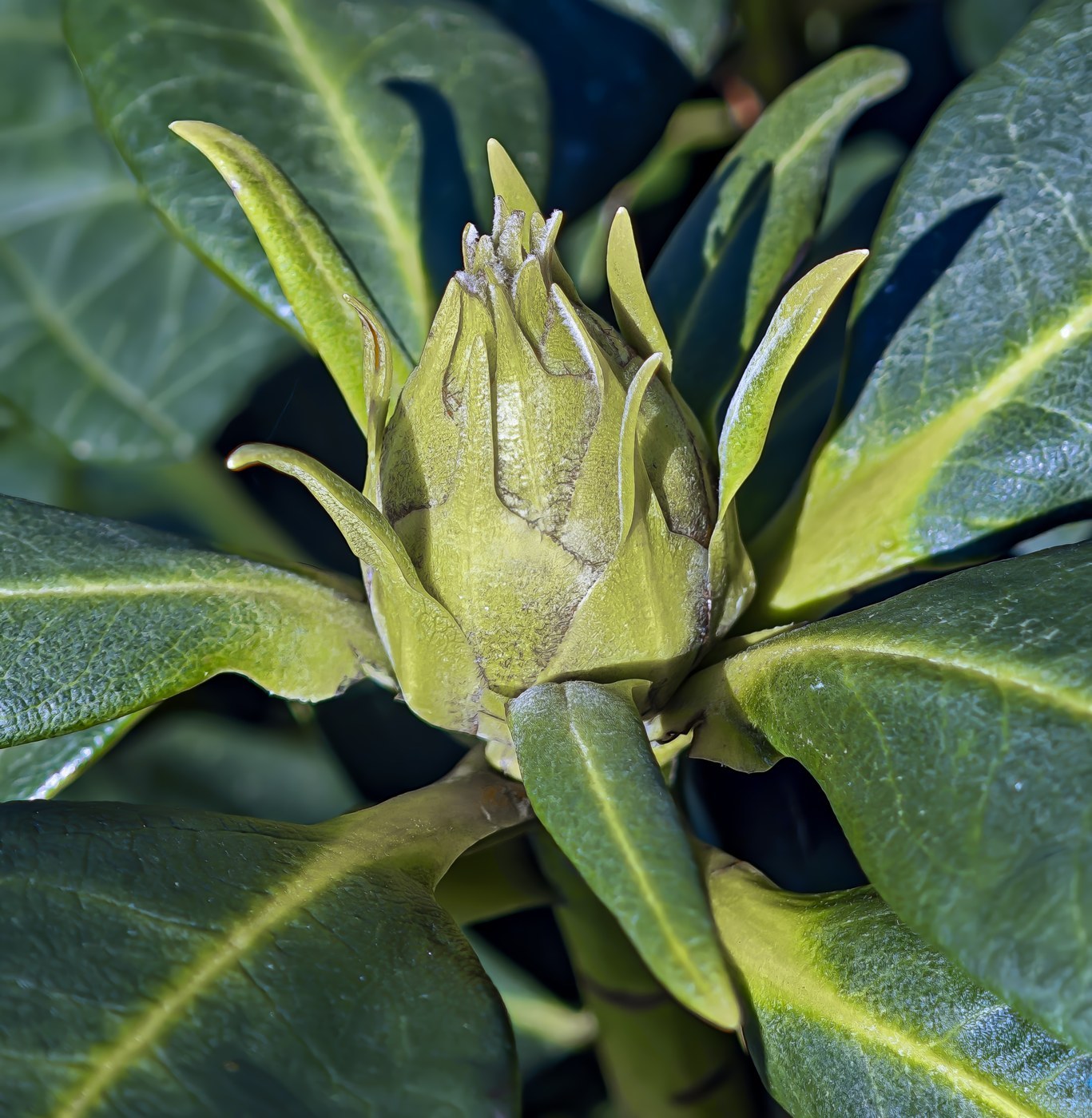
Rhododendron (Rhododendron ponticum) is a broadleaf evergreen shrub grown for its large trusses of showy spring flowers and lush glossy foliage. It rewards the right conditions handsomely but is a touch more demanding than average, needing acidic soil, steady moisture, and dappled light.
Light
Grow in part shade with dappled light, such as beneath high-canopy trees or on the north or east side of a building. Too much hot direct sun scorches the foliage and dries the shallow roots, while deep shade reduces flowering.
Water
Keep the soil evenly moist and never allow it to dry out. Rhododendrons have shallow, fibrous roots that suffer quickly from drought. Water deeply during dry spells, ideally with rainwater or soft water, since hard water raises soil pH over time. Avoid waterlogging as well; the goal is moist but well-drained.
Soil & Potting
Acidic soil is essential, ideally in the pH 4.5 to 6 range. Plant in humus-rich, well-drained soil generously amended with pine bark, leaf mold, or an ericaceous (acid) mix. Plant shallowly, keeping the root ball at or slightly above grade, and mulch to protect the surface roots. In containers use a dedicated ericaceous potting mix.
Humidity & Temperature
Rhododendrons prefer cool, moist, temperate climates with moderate humidity. They dislike hot, dry summers and drying winds, which cause leaf curl and browning. Shelter from harsh wind and provide a cool root run with mulch.
Feeding
Feed in spring after flowering with a fertilizer formulated for acid-loving (ericaceous) plants. Avoid lime and standard high-alkaline feeds. Yellowing leaves with green veins signal iron chlorosis from soil that is too alkaline; correct with an ericaceous feed or chelated iron.
Propagation
Propagate by layering low branches into the soil, a slow but reliable method, or by semi-ripe cuttings taken in late summer under humid conditions. Cuttings can be slow to root and benefit from rooting hormone and bottom heat.
Repotting / Pruning
Rhododendrons need little routine pruning. Deadhead spent flower trusses by snapping them off carefully to avoid damaging the new buds just below. Prune to shape right after flowering. Overgrown plants tolerate hard renewal pruning into old wood, though they may take a season or two to recover. Repot container specimens every few years into fresh ericaceous mix.
Common Problems & Pests
Leaf yellowing usually means the soil is too alkaline or too wet. Watch for vine weevil (notched leaves, root-feeding larvae), lacebugs, and scale, plus fungal issues like leaf spot and, in wet soils, root rot. Ensure sharp drainage, use acidic media, and remove affected foliage. Bud blast can blacken flower buds; remove and destroy them.
Seasonal Care Tips
In spring, enjoy the bloom, deadhead, and feed with an ericaceous fertilizer. Through summer, keep the soil moist and mulched and shelter from drying sun and wind. In autumn, top up mulch. In winter, protect from cold drying winds that cause leaf desiccation.
Frequently asked questions
Why are my rhododendron leaves turning yellow?
Yellowing leaves with green veins usually indicate iron chlorosis from soil that is too alkaline. Overall yellowing can also mean waterlogged roots. Use an acidic (ericaceous) feed and ensure good drainage.
What kind of soil do rhododendrons need?
Acidic, humus-rich, well-drained soil in the pH 4.5 to 6 range. Amend with pine bark or leaf mold, or use a dedicated ericaceous potting mix in containers.
How much light should a rhododendron get?
Part shade with dappled light is ideal. Hot direct sun scorches the leaves and dries the shallow roots, while deep shade cuts down on flowering.
Do I need to prune my rhododendron?
Little routine pruning is needed. Deadhead spent trusses carefully to protect the buds below, and prune to shape right after flowering. Overgrown plants can be renewed with harder pruning.
Rhododendron identified by the community
Recent Rhododendron specimens identified with Plant Identifier.