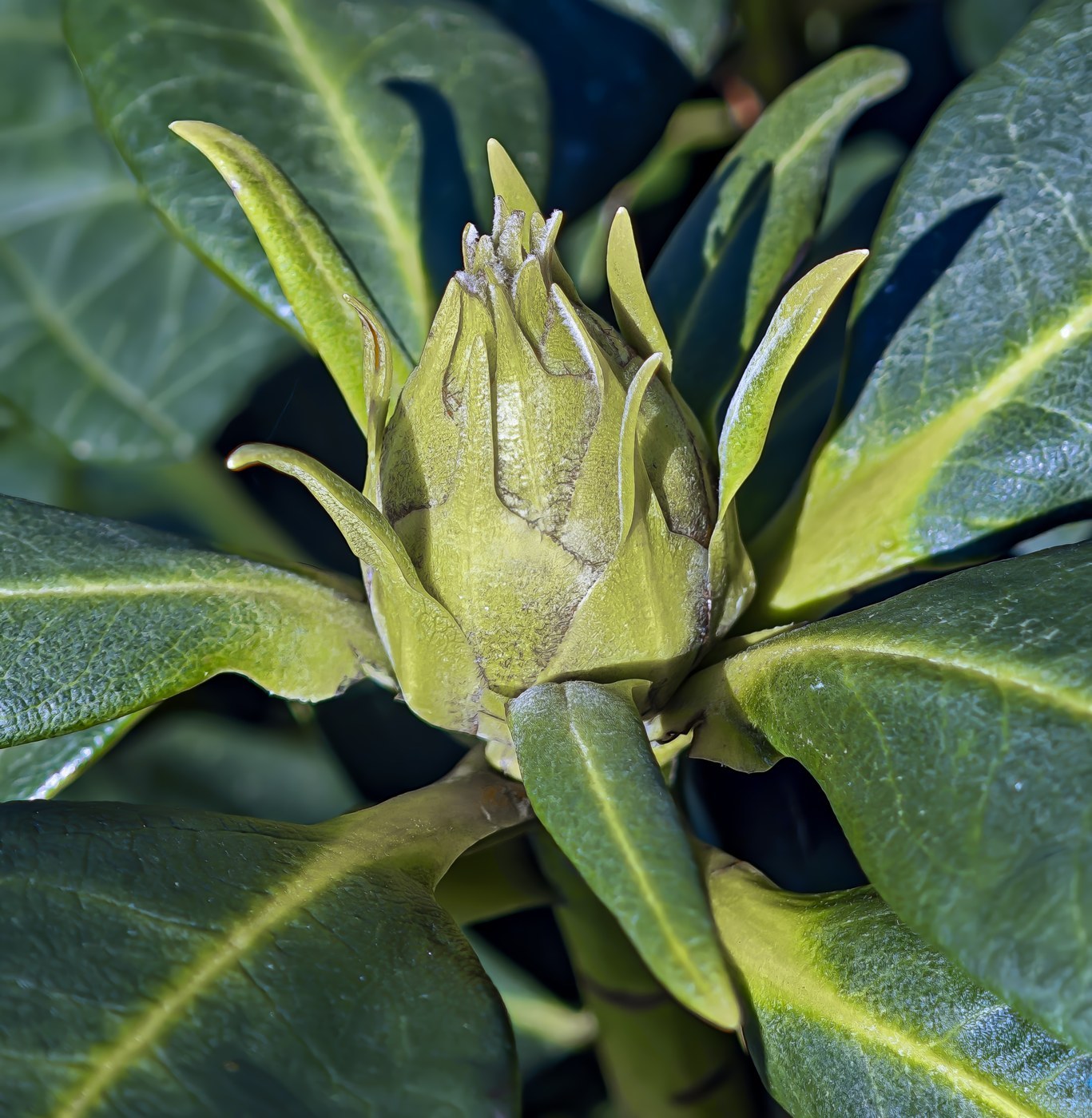
Rhododendron
Rhododendron ponticum
A large genus of evergreen and deciduous shrubs famed for spectacular spring trusses of bell- or funnel-shaped flowers. They thrive in acidic, moist, well-drained woodland soils with dappled light.
- Light
- Part shade; dappled light
- Water
- Keep evenly moist; avoid drying out
- Difficulty
- Moderate
Got a plant like this?
Identify any plant from a photo, free.
Overview
Rhododendron is a vast genus of more than a thousand species, including the plants commonly called azaleas, ranging from low alpine shrubs to small trees. They are grown worldwide for their dramatic spring flower displays in nearly every color.
Most prefer cool, moist, acidic conditions with dappled shade, mimicking their woodland and mountain origins. Leaves are often leathery and evergreen, though deciduous types (many azaleas) also exist.
How to identify it
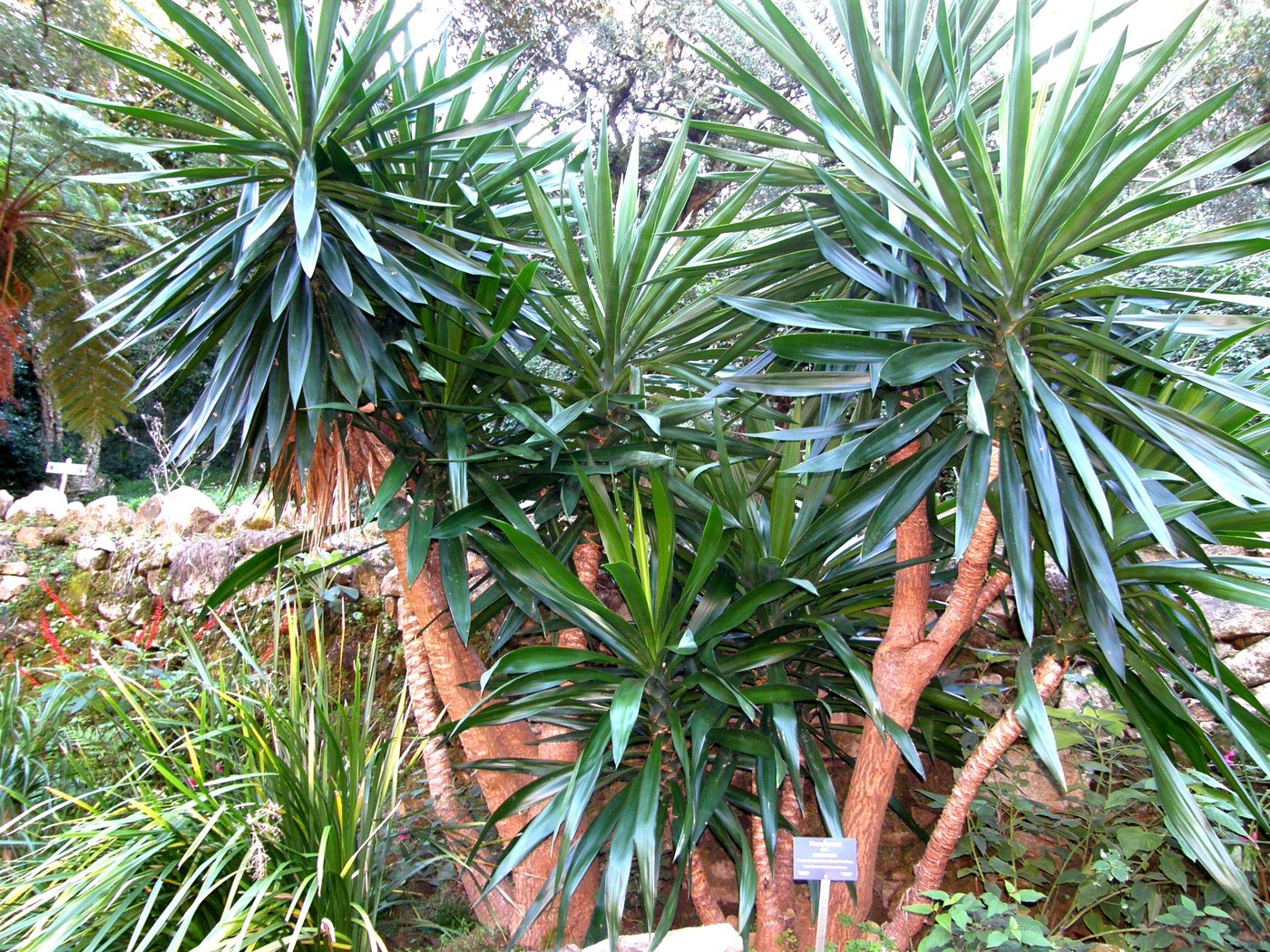
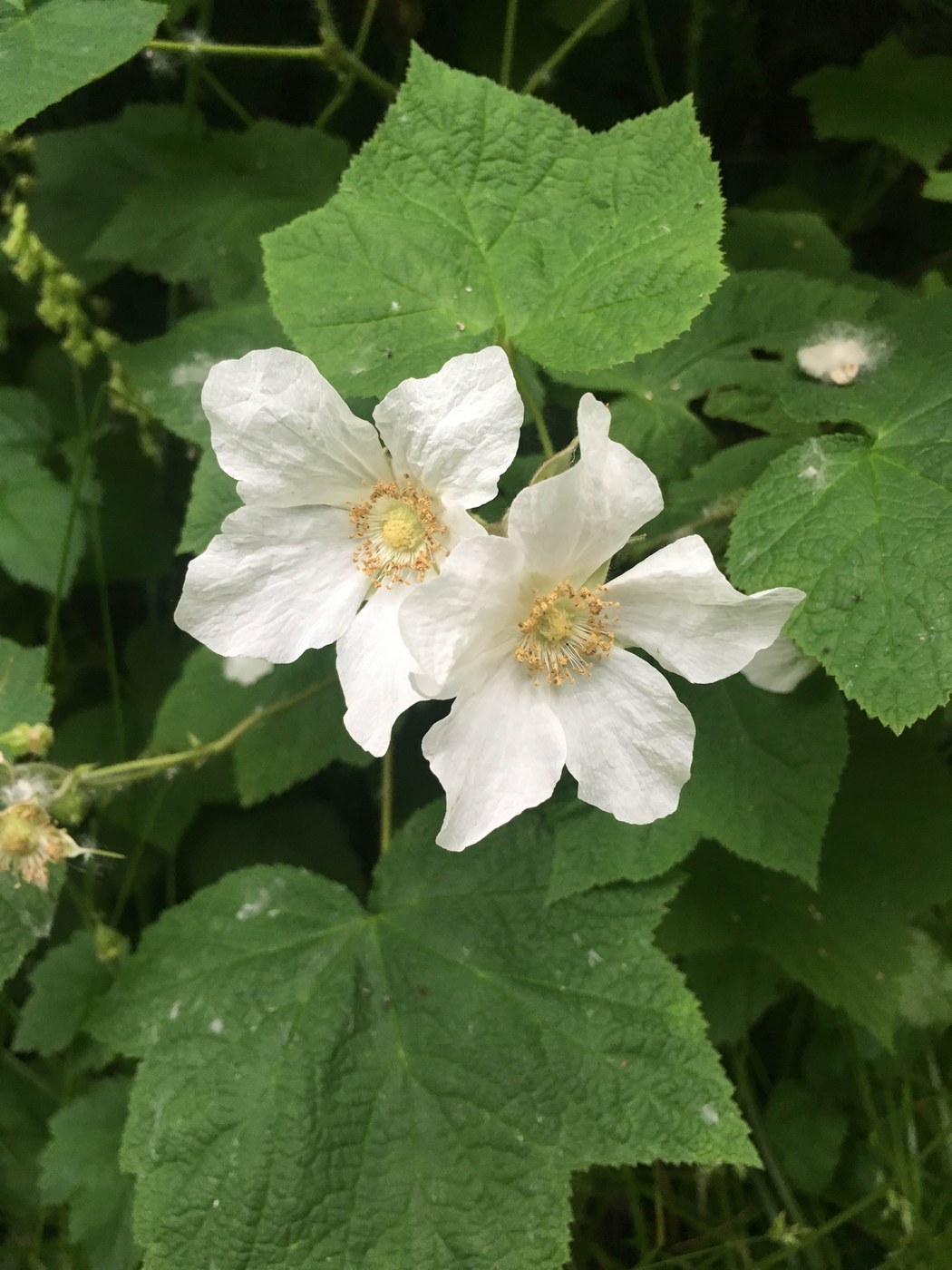
- Flowers: showy clusters (trusses) of bell- or funnel-shaped blooms in spring, in white, pink, red, purple, yellow and more
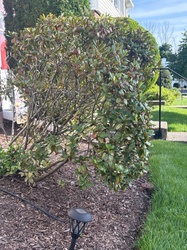
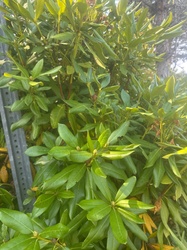
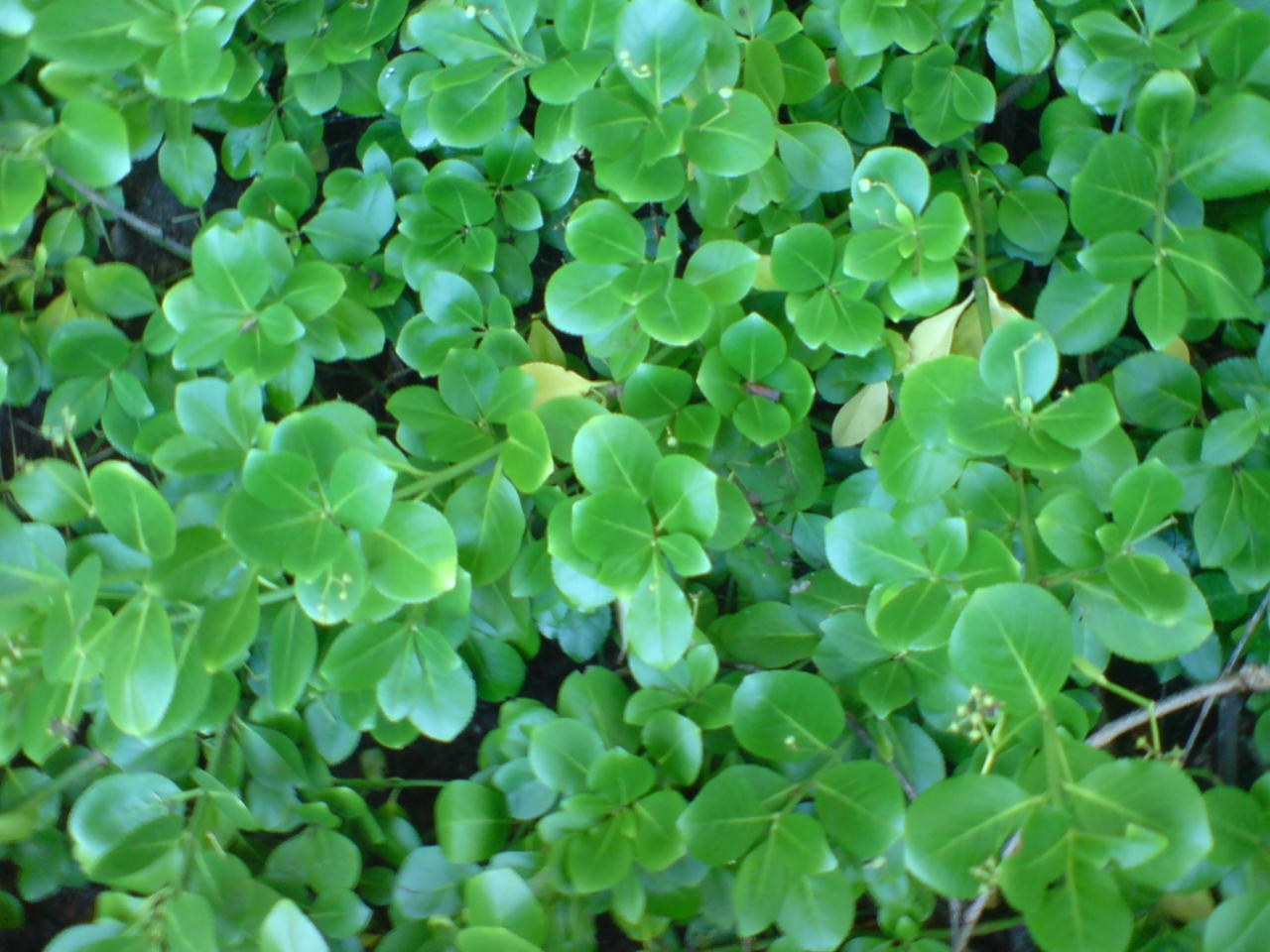
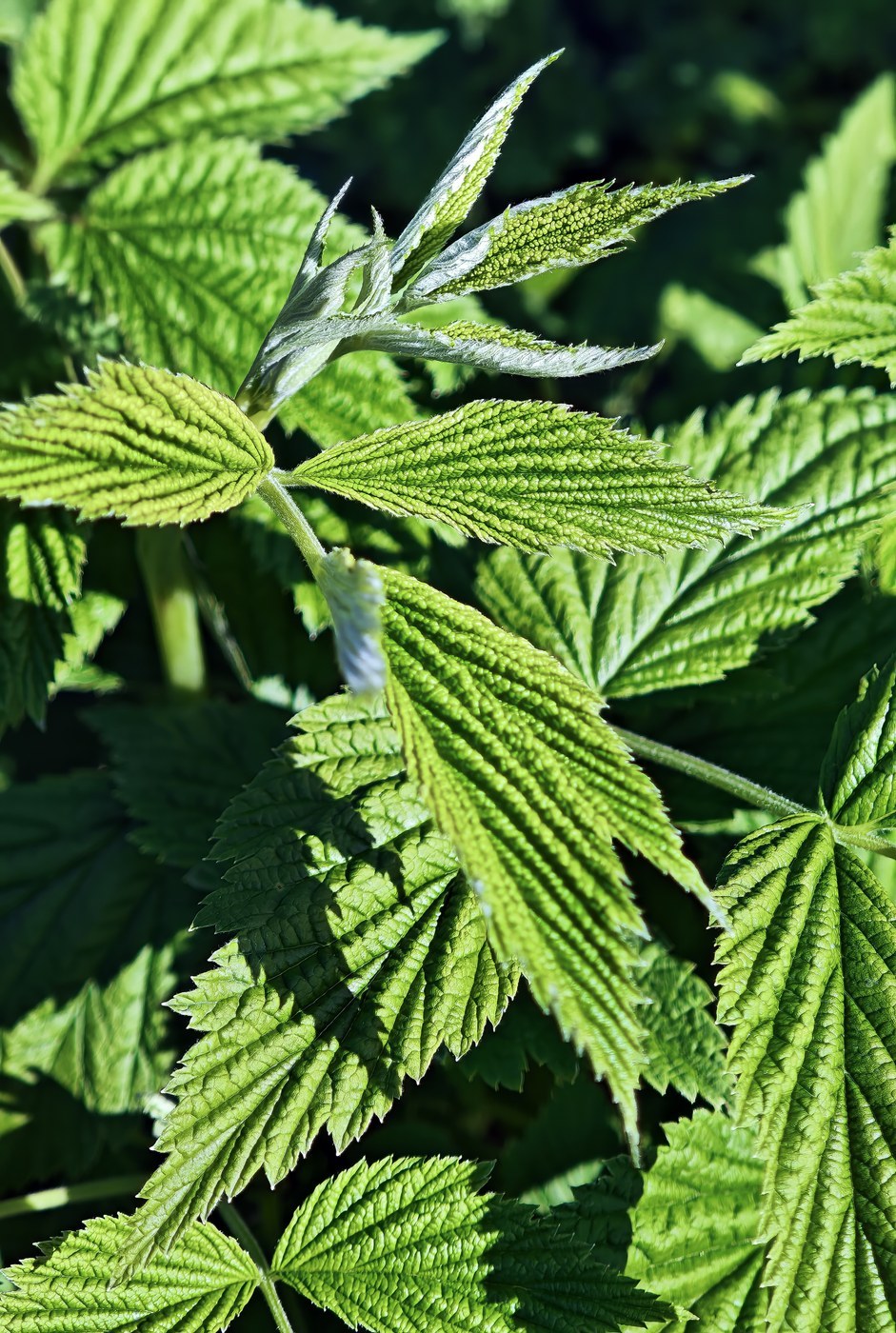
- Leaves: typically leathery, oval to elliptic, often evergreen and dark green (deciduous in many azaleas)
- Habit: rounded, multi-stemmed shrubs, sometimes tree-like
- Roots: shallow, fibrous, surface-feeding
- Size: ranges from under 1 ft to 20+ ft depending on species
Care & growing
Grow in dappled shade in moist, acidic, humus-rich, well-drained soil.
- Water: keep evenly moist with soft/rainwater; never let roots dry out or sit waterlogged
- Soil: must be acidic (pH ~4.5–6); mulch to protect shallow roots
- Temperature: hardiness varies widely by species (roughly USDA zones 4–9)
- Feeding: use an acid (ericaceous) fertilizer; avoid lime
- Pruning: minimal; deadhead spent trusses, prune lightly after flowering
- Propagation: from semi-ripe cuttings or layering
Shelter from harsh sun and drying wind, and never plant in alkaline soil.
Habitat & origin
Rhododendrons occur across the Northern Hemisphere and into the mountains of Southeast Asia, with great diversity in the Himalayas and East Asia. Rhododendron ponticum is native to the Iberian Peninsula and the Black Sea region.
They naturally grow in cool, humid woodland, mountain slopes and acidic soils. Many are cultivated in temperate gardens, while R. ponticum has become invasive in the British Isles and parts of western Europe.
Frequently asked questions
What soil do rhododendrons need?
Acidic, moist, humus-rich and well-drained soil (about pH 4.5–6). They will not thrive in alkaline or chalky soils and need ericaceous feed.
What is the difference between azaleas and rhododendrons?
Azaleas are part of the genus Rhododendron. In general, azaleas tend to be smaller with more funnel-shaped flowers and are often deciduous, while many rhododendrons are larger evergreens.
Why are the leaves turning yellow?
Yellowing often signals soil that is too alkaline (iron chlorosis), poor drainage, or drying out. Check pH, improve drainage and use ericaceous feed.
How big do rhododendrons get?
Size varies enormously by species, from low alpine shrubs under 1 ft to tree-like forms over 20 ft tall, with a rounded, multi-stemmed habit.
Rhododendron guides
In-depth guides for identifying, growing, and caring for Rhododendron.
How to Care for Rhododendron
Grow Rhododendron (Rhododendron ponticum), an evergreen shrub with showy spring flowers that thrives in acidic, dappled shade.
Rhododendron Identification Guide
Identify Rhododendron by its large leathery evergreen leaves clustered in rosettes and showy spring trusses of bell- to funnel-shaped flowers.
Rhododendron identified by the community
Real specimens identified with Plant Identifier.