
How to Care for Rhubarb
Growing guide for Rheum rhabarbarum: a hardy, long-lived perennial grown for its bold architectural foliage and thick crimson stalks.
Read the full Rhubarb encyclopedia entry →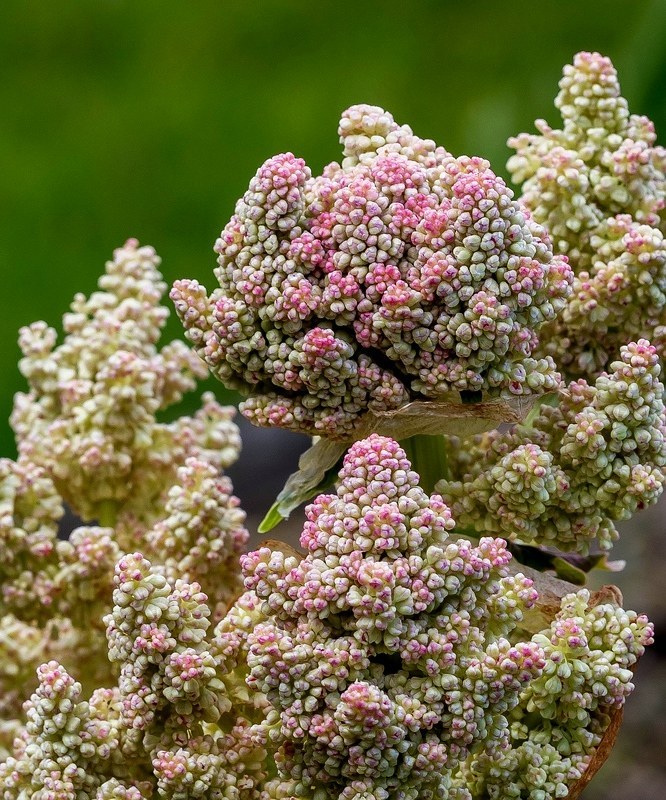
Rhubarb (Rheum rhabarbarum) is a robust, cold-loving herbaceous perennial that forms a striking clump of huge crinkled leaves atop thick red-to-green stalks. As an ornamental it makes a bold, architectural statement in a border and, once planted, can thrive in the same spot for a decade or more.
Light
Rhubarb grows best in full sun to part shade. A position with full sun produces the sturdiest, most vigorous clumps, though in hot-summer climates a little afternoon shade helps keep the big leaves from wilting and scorching. Aim for at least 6 hours of light where summers are cool.
Water
Keep the soil evenly moist but never waterlogged. Those enormous leaves transpire heavily, so consistent moisture through the growing season keeps growth lush and prevents wilting. Water deeply during dry spells, but ensure the crown sits in free-draining ground, as sodden soil rots the crown over winter.
Soil & Potting
Rhubarb is a heavy feeder that thrives in deep, rich, fertile soil loaded with organic matter. Dig in plenty of well-rotted compost or manure before planting. It prefers a slightly acidic to neutral pH and, above all, good drainage. Plant the crown with the buds just at or slightly below the soil surface.
Humidity & Temperature
This is a distinctly cold-hardy plant that actually requires winter chill to break dormancy and grow well, making it happiest in temperate climates (roughly USDA zones 3-8). It struggles in hot, mild-winter regions. Humidity is not a concern; cool springs and moist summers suit it best.
Feeding
Feed generously. Apply a thick mulch of compost or aged manure around the crown each spring, and supplement with a balanced or nitrogen-rich fertilizer as growth accelerates. A midseason feed sustains leaf production. Well-fed plants form larger, more vigorous clumps year after year.
Propagation
The standard method is crown division. In early spring or late autumn while dormant, lift an established clump and slice the crown into sections, each with at least one healthy bud (eye) and a portion of root. Replant immediately. Divide every 5-6 years to reinvigorate aging clumps. Seed is possible but slow and variable.
Repotting / Pruning
Rhubarb resents disturbance, so leave clumps in place unless dividing. Remove any tattered, yellowing, or damaged leaves through the season to keep the plant tidy. If tall flower stalks appear, cut them off at the base promptly, as flowering diverts energy from the foliage clump. Container plants need a large, deep pot and annual topdressing.
Common Problems & Pests
Generally hardy and problem-free. Crown rot from waterlogged soil is the most serious issue, so ensure drainage. Slugs and snails may chew young emerging leaves, and occasionally rhubarb curculio (a weevil) bores into stalks. Remove affected material and improve airflow. Bolting (premature flowering) is triggered by stress or heat; cut flower stalks out.
Seasonal Care Tips
- Spring: Mulch heavily with compost as red buds emerge; feed and keep evenly moist.
- Summer: Water consistently in dry weather; remove any flower stalks and spent leaves.
- Autumn: Let foliage die back naturally; a light frost is fine. Divide crowns if needed.
- Winter: The plant is fully dormant. A mulch protects the crown, and the winter cold is essential for next year's growth.
Frequently asked questions
Does rhubarb need full sun?
It grows best in full sun in cool climates, producing the strongest clumps. In hot-summer areas, light afternoon shade helps protect the large leaves from wilting and scorching. Aim for at least 6 hours of light.
Why is my rhubarb sending up a tall flower stalk?
This is bolting, usually triggered by heat, age, or stress. Cut the flower stalk off at the base as soon as you see it, so the plant channels its energy back into the foliage clump rather than seed production.
How often should I divide rhubarb?
Divide the crown every 5-6 years in early spring or late autumn while dormant. Each division needs at least one bud and some root. This rejuvenates old clumps that have become crowded and less vigorous.
Can rhubarb grow in warm climates?
It struggles where winters are mild, because it needs a period of winter cold to break dormancy and grow well. It performs best in temperate regions with proper winter chill and cool, moist springs.