
How to Care for Rose Mallow
Grow Hibiscus moscheutos, a hardy perennial hibiscus with dinner-plate blooms that loves sun and moist soil, with this easy care guide.
Read the full Rose Mallow encyclopedia entry →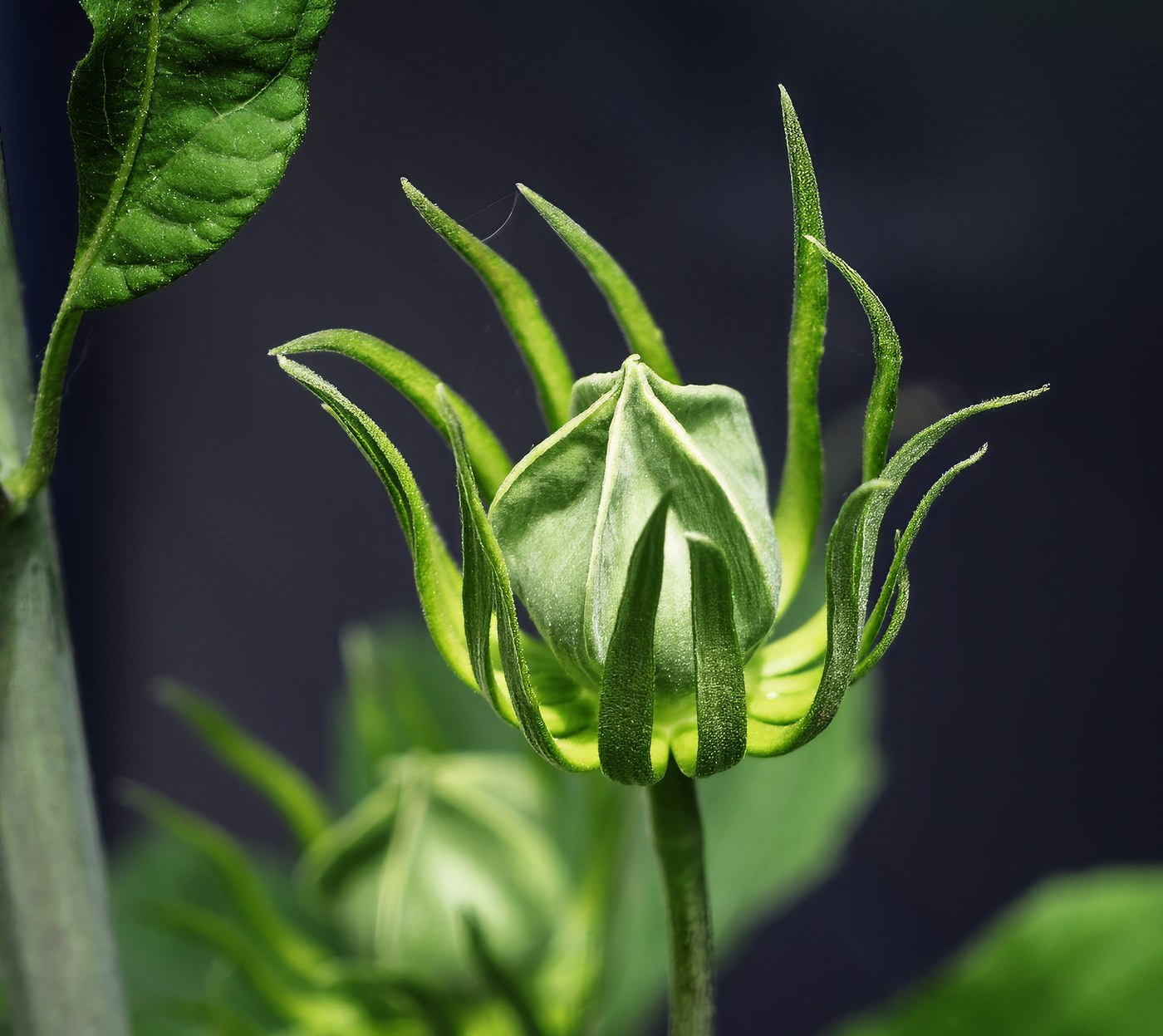
Rose mallow (Hibiscus moscheutos) is a bold, hardy perennial hibiscus native to North American wetlands, famous for its enormous dinner-plate flowers in white, pink, and red through summer. Vigorous and easy in the right site, it dies back each winter and returns to towering size the following year.
Light
Grow rose mallow in full sun for the most flowers and sturdiest stems, ideally six or more hours of direct light daily. It tolerates a little light afternoon shade in very hot climates, but too much shade produces floppy growth and sparse bloom.
Water
Rose mallow loves moisture and thrives in consistently moist to wet soil, reflecting its marshland origins. It tolerates boggy ground and even the edges of ponds, so it is one of the few perennials happy in poorly drained spots. Water deeply and often during heat; drought causes wilting, bud drop, and stress.
Soil & Potting
It is not fussy about soil type as long as moisture is plentiful, growing in clay, loam, or rich muck. A fertile, humus-rich soil that retains water gives the best growth. In containers, use a large pot with a moisture-retentive mix and stand it where it will not dry out; these are thirsty, big plants.
Humidity & Temperature
Rose mallow enjoys warm summers and humid conditions and is hardy through cold winters (roughly USDA zones 4-9). It is a late riser in spring, so be patient waiting for new shoots. Heat drives its lush growth, and it withstands humid summer weather that troubles many perennials.
Feeding
As a heavy feeder producing huge amounts of foliage and flowers, it benefits from regular feeding. Apply a balanced fertilizer in spring and again in early summer, or work in generous compost. Steady nutrition supports its rapid growth and continuous flowering; avoid excess nitrogen, which favors leaves over blooms.
Propagation
Propagate by seed, division, or cuttings. Seeds germinate readily after nicking or soaking the hard coat and can flower the first year. Divide established clumps in spring as new growth emerges. Softwood stem cuttings taken in early summer also root well in moist mix under warm conditions.
Repotting / Pruning
Cut the dead stalks to the ground in late fall or early spring, since the plant is herbaceous and regrows from the crown. Pinching young stems in late spring encourages bushier, better-branched plants. Container specimens can be divided and refreshed every couple of years when they outgrow their pot.
Common Problems & Pests
Japanese beetles, aphids, whiteflies, and sawfly larvae can chew or disfigure leaves and buds; monitor and treat as needed. Hibiscus is a magnet for these pests but usually outgrows minor damage. Fungal leaf spots and rust may appear in humid conditions; improve airflow. Watch for bud drop caused by dryness or sudden stress.
Seasonal Care Tips
In spring, be patient, as rose mallow emerges late; do not assume it has died. Feed and mulch as shoots appear and pinch for bushiness. Through summer, water generously and deadhead spent blooms to keep it tidy. In fall, let the plant die back, then cut old stems down and mulch the crown to protect it over winter in colder zones.
Frequently asked questions
How much water does rose mallow need?
A lot. It thrives in consistently moist to wet soil and even tolerates boggy ground. Water deeply and often, especially in summer heat, or the buds and leaves will wilt.
Why hasn't my rose mallow come up in spring?
It is one of the last perennials to emerge, often not appearing until late spring. Be patient and avoid digging it up; new shoots rise from the crown when the soil warms.
How big does rose mallow get?
It is a large, vigorous perennial that can reach several feet tall and wide in a single season, topped with flowers up to dinner-plate size.
Should I cut it back?
Yes. Cut the dead stalks to the ground in late fall or early spring, since it dies back and regrows from the crown each year.
Why are the buds dropping off?
Bud drop is usually caused by dry soil, pest damage, or sudden stress. Keep the soil moist and check for aphids, beetles, and other pests on the buds.