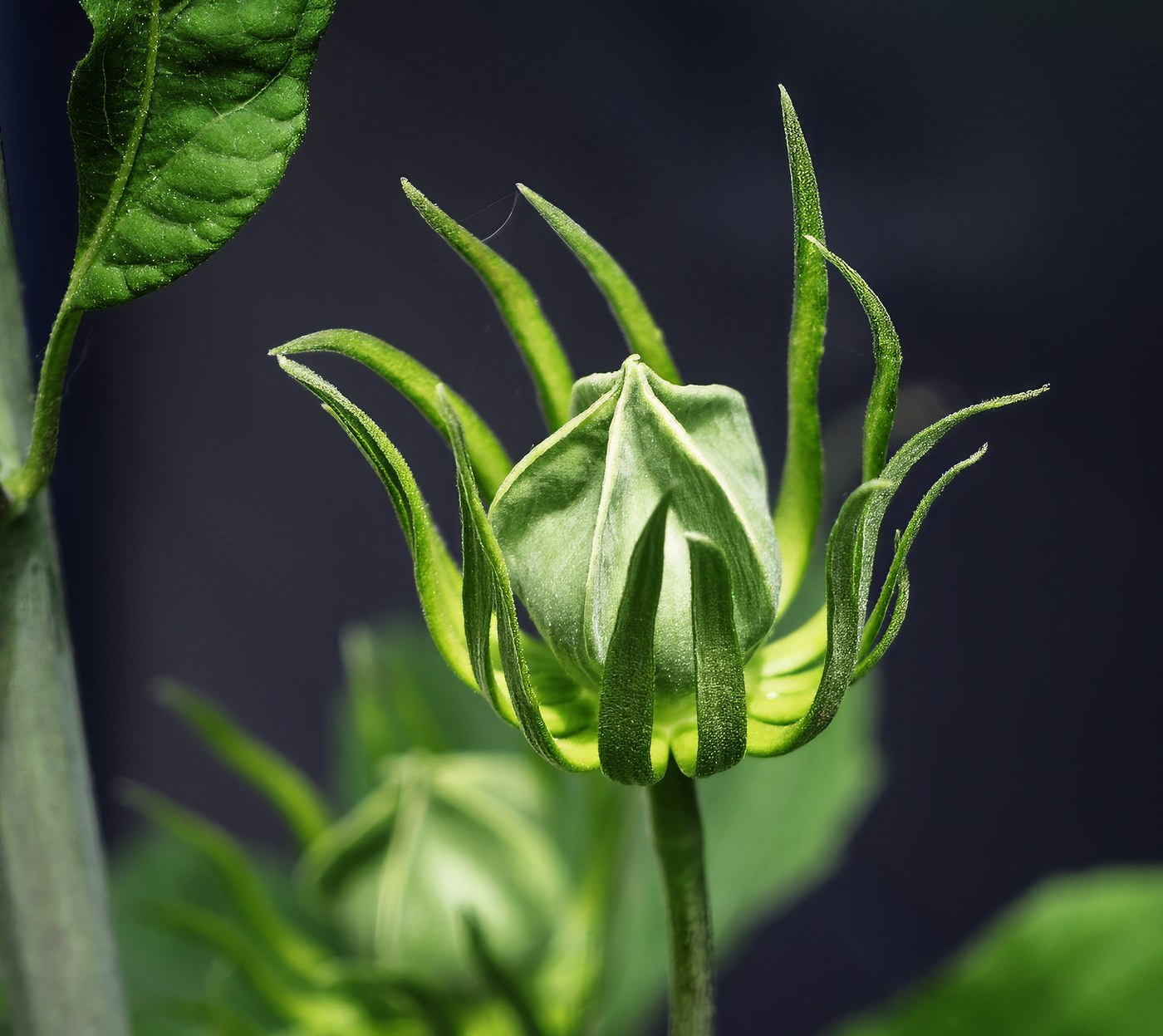
Rose Mallow
Hibiscus moscheutos
A vigorous perennial hibiscus native to North American wetlands, famous for its enormous dinner-plate-sized blooms in white, pink, or red with a contrasting eye.
- Light
- Full sun
- Water
- Consistently moist; tolerates wet soil
- Difficulty
- Easy
Got a plant like this?
Identify any plant from a photo, free.
Overview
Rose mallow is a hardy herbaceous perennial hibiscus that produces some of the largest flowers of any cold-hardy plant, often 15-20 cm (6-8 inches) across. It dies back to the ground each winter and regrows quickly in spring, reaching shrub-like proportions by midsummer.
Unlike tropical hibiscus, Hibiscus moscheutos withstands hard freezes, making it a popular choice for adding a tropical look to temperate gardens. Modern breeding has produced compact cultivars with deep red foliage and richly colored blooms.
How to identify it
- Flowers: Huge, 15-25 cm wide, with five broad overlapping petals, white to pink or red, usually with a dark crimson "eye" at the center and a prominent staminal column.
- Leaves: Large, broadly ovate to lance-shaped, often with shallow lobes, sometimes whitish-hairy beneath.
- Height: Robust, typically 1-2.5 m tall, forming a bushy clump.
- Habit: Upright herbaceous perennial that emerges late in spring.
- Each bloom lasts only a day or two but they open in succession over many weeks.
Care & growing
Light: Full sun is essential for strong stems and abundant flowers.
Water: Loves moisture; never let it dry out and it even tolerates standing water and rain-garden conditions.
Soil: Rich, fertile, moisture-retentive soils; tolerates clay.
Temperature: Hardy to roughly USDA zone 4-5; emerges late, so be patient in spring.
Feeding: Benefits from a balanced fertilizer in spring to fuel its rapid growth.
Propagation: Sow seed (nick the hard coat first), take softwood cuttings, or divide established clumps in spring.
Habitat & origin
Native to the eastern and central United States, where it grows in marshes, swamps, wet ditches, and along the margins of ponds and rivers. It is a true wetland plant adapted to saturated soils.
In gardens it is widely planted in borders, rain gardens, and at pond edges across temperate North America and beyond, valued for thriving where many ornamentals struggle.
Frequently asked questions
Is rose mallow the same as tropical hibiscus?
No. Rose mallow is a cold-hardy herbaceous perennial that dies to the ground in winter, whereas tropical hibiscus is a tender woody shrub.
Why hasn't mine come up in spring?
Rose mallow emerges notably late, often not until late spring. Don't assume it has died; new shoots appear once the soil warms.
Can it grow in wet soil?
Yes. As a native wetland plant it thrives in consistently moist or even waterlogged ground, making it ideal for rain gardens and pond edges.
How long do the flowers last?
Each enormous bloom lasts only a day or two, but the plant produces a long succession of buds, flowering for many weeks in summer.
Rose Mallow guides
In-depth guides for identifying, growing, and caring for Rose Mallow.
How to Care for Rose Mallow
Grow Hibiscus moscheutos, a hardy perennial hibiscus with dinner-plate blooms that loves sun and moist soil, with this easy care guide.
Rose Mallow Identification Guide
Identify Rose Mallow, a tall wetland hibiscus, by its dinner-plate-sized pink-to-white flowers, prominent staminal column, and broad downy leaves.