
Rose Mallow Identification Guide
Identify Rose Mallow, a tall wetland hibiscus, by its dinner-plate-sized pink-to-white flowers, prominent staminal column, and broad downy leaves.
Read the full Rose Mallow encyclopedia entry →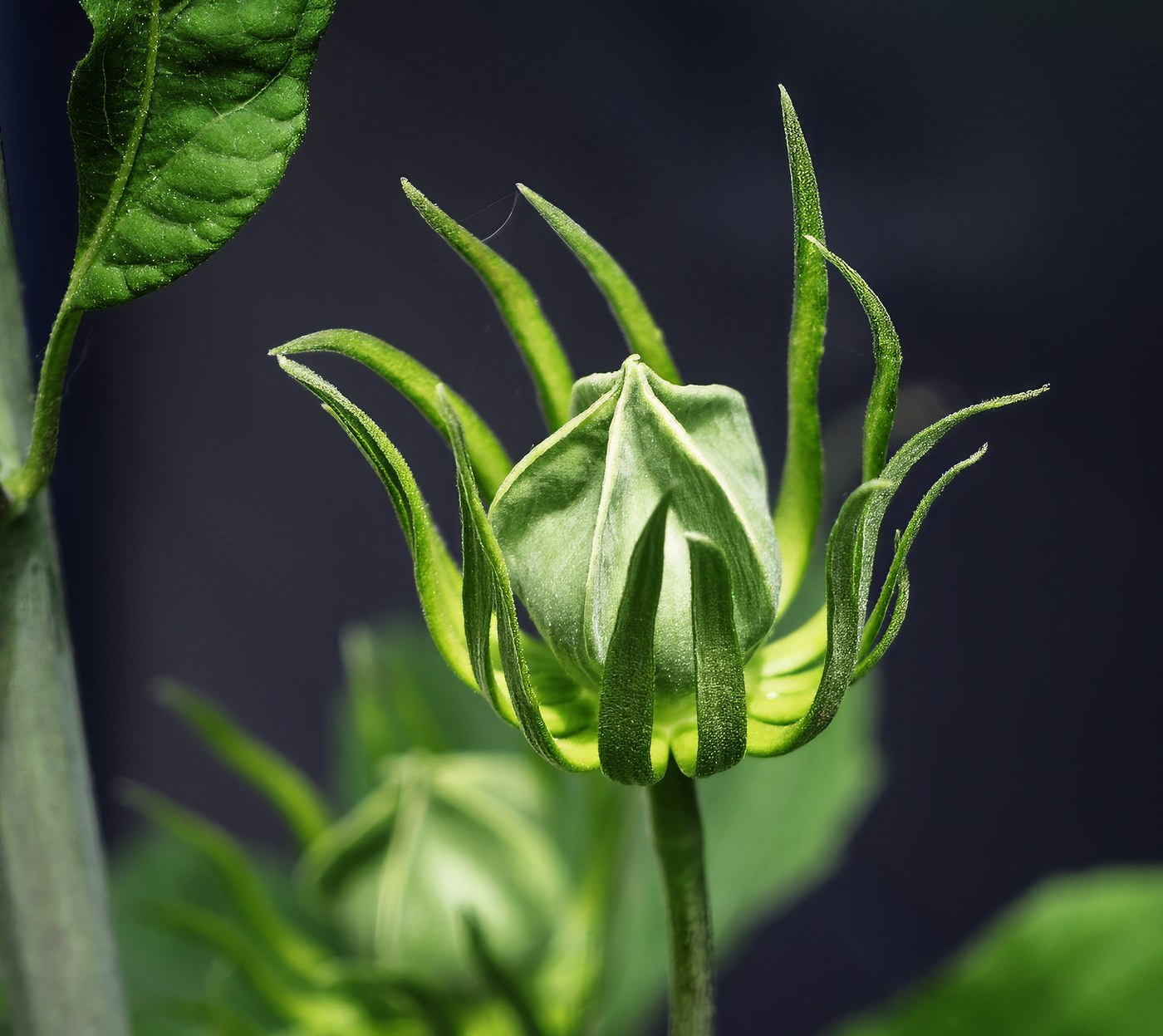
Key Identifying Features
Rose Mallow (Hibiscus moscheutos), also called Swamp Rose Mallow or Crimson-eyed Rose Mallow, is a robust herbaceous perennial of North American wetlands. Its signature traits:
- Enormous flowers, often 10–20 cm (4–8 in) across — among the largest of any native wildflower.
- A central column of fused stamens (the staminal column) typical of the mallow family, topped by 5 stigmas.
- Five overlapping broad petals, white to pink usually with a deep red or crimson 'eye' at the throat.
- Tall, shrub-like clumps reaching 1–2.5 m (3–8 ft).
Leaves & Stems
Leaves are broadly ovate to lance-shaped, 5–20 cm long, sometimes with a few shallow lobes near the base, and finely toothed along the edges. The undersides are densely white-hairy (felty), giving them a pale, downy look — a key feature. Leaves are arranged alternately on stout, often unbranched stems that emerge fresh each spring from a woody root crown.
Flowers & Fruit
Bloom time is mid to late summer (July–September). Each flower lasts only a day or two but the plant opens new blooms in succession over weeks. After flowering, a 5-chambered dry capsule forms, splitting open to release numerous rounded seeds. The persistent brown capsules and dead stems remain standing into winter, useful for off-season ID.
How to Tell It Apart from Look-Alikes
- Tropical/Chinese Hibiscus (H. rosa-sinensis) is a woody evergreen shrub with glossy leaves — Rose Mallow is herbaceous and dies back yearly.
- Halberd-leaved Rose Mallow (H. laevis) has smooth, three-lobed (halberd-shaped) leaves with hairless undersides.
- Common Mallow (Malva) and Hollyhock (Alcea) have much smaller flowers and different leaf shapes.
- Marsh Mallow (Althaea) is shorter with smaller pale flowers.
The combination of dinner-plate flowers + felty white leaf undersides + wetland habitat + herbaceous die-back confirms Rose Mallow.
Where You'll Find It
Rose Mallow grows in marshes, swamps, wet ditches, pond and stream margins, and brackish tidal wetlands across the eastern and central United States. It loves full sun and constantly moist to wet soil. It is also widely planted in rain gardens and pond edges for its dramatic blooms.
Quick ID Checklist
- Huge flowers, 10–20 cm, white-to-pink with a red eye
- Prominent central staminal column
- Leaves with white woolly undersides
- Tall clumps, 1–2.5 m, herbaceous (dies back in winter)
- 5-part dry seed capsules
- Growing in wet, sunny marshy ground
Frequently asked questions
How big do Rose Mallow flowers actually get?
Commonly 10–20 cm (4–8 inches) across, sometimes larger in cultivated forms — they are among the largest blooms of any temperate herbaceous plant.
Is Rose Mallow the same as tropical hibiscus?
No. Both are Hibiscus, but Rose Mallow is a cold-hardy herbaceous perennial that dies to the ground each winter, while tropical hibiscus is a tender woody evergreen shrub.
How can I tell it from Halberd-leaved Rose Mallow?
Check the leaves: Rose Mallow has broad ovate leaves with densely white-hairy undersides, while Halberd-leaved Rose Mallow has smooth, hairless, three-lobed arrow-shaped leaves.
Why do the flowers only last a day?
Each Rose Mallow bloom is short-lived, opening for a day or two then fading, but the plant produces a long succession of new flowers through late summer.