How to Care for Rose of Sharon
Grow Rose of Sharon (Hibiscus syriacus), an easy late-summer flowering shrub, with this full guide to light, water, pruning and bloom care.
Read the full Rose of Sharon encyclopedia entry →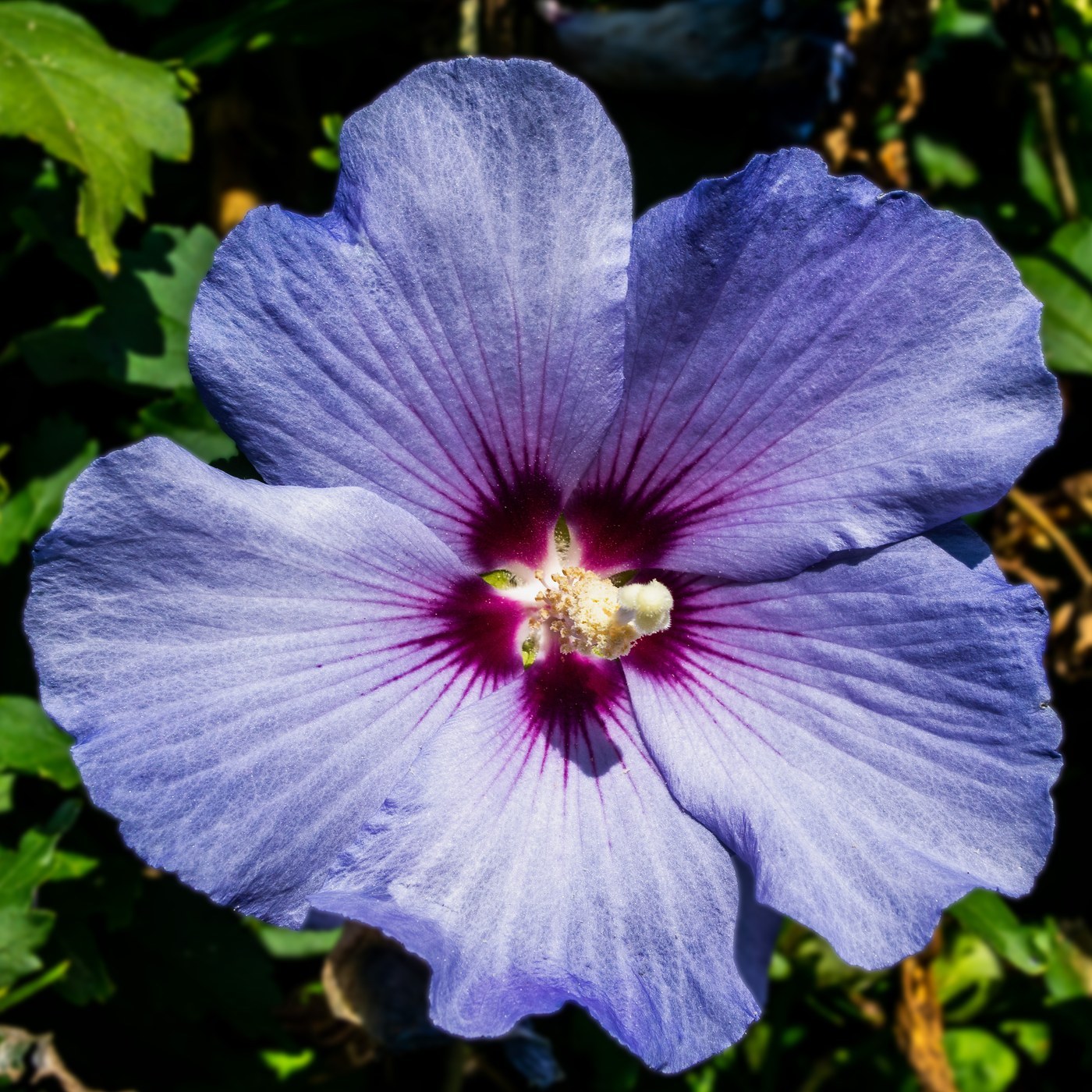
Rose of Sharon (Hibiscus syriacus) is a hardy deciduous shrub prized for its profusion of hollyhock-like blooms from midsummer into fall, when many other shrubs have finished flowering. It is forgiving, adaptable, and one of the easiest flowering shrubs for beginners.
Light
Give Rose of Sharon full sun to part shade. It flowers most heavily with at least six hours of direct sun per day; in too much shade the plant grows leggy and produces far fewer buds. A little afternoon shade in the hottest climates is fine and can extend the life of individual blooms.
Water
Water moderately. Established shrubs are quite drought tolerant, but they bloom best with even moisture, so water deeply during extended dry spells and hot summer weeks. Young plants in their first two seasons need consistent watering while the root system establishes. Avoid waterlogged soil, which can cause bud drop and root problems.
Soil & Potting
Rose of Sharon tolerates a wide range of soils, including clay and poor ground, but prefers moist, well-drained loam with a neutral to slightly acidic pH. Amend heavy soil with compost at planting to improve drainage and fertility. It also grows well in large containers with a quality all-purpose potting mix; choose a pot with generous drainage holes.
Humidity & Temperature
This is a cold-hardy shrub, thriving roughly in USDA zones 5 through 9 and shrugging off winter cold once established. It handles summer heat and average outdoor humidity without fuss. Late spring frosts rarely damage it because it leafs out late.
Feeding
Feed lightly in early spring with a balanced slow-release fertilizer or a top-dressing of compost. Avoid heavy nitrogen feeding, which encourages lush foliage at the expense of flowers. A single spring feeding is usually enough for the whole season.
Propagation
Propagate easily from softwood cuttings in early summer or hardwood cuttings in late fall. Take 4-6 inch cuttings, remove the lower leaves, and root them in moist, well-drained medium. Rose of Sharon also self-seeds readily, and volunteer seedlings can be dug up and transplanted, though seedlings may not match the parent's flower color.
Repotting / Pruning
Repot container specimens every two to three years into a slightly larger pot. Prune in late winter or early spring before new growth begins, since flowers form on the current season's wood. Hard pruning encourages larger (though fewer) blooms and a tidier shape; light pruning yields more numerous smaller flowers. Remove dead, crossing, or weak stems to open up the canopy.
Common Problems & Pests
Aphids and Japanese beetles are the most common pests; a strong spray of water or insecticidal soap handles aphids. Watch for leaf spot and occasional rust in wet, crowded conditions, which improved air circulation helps prevent. Bud drop is usually caused by uneven watering or sudden weather swings. Yellowing leaves often signal soggy soil or a nutrient shortfall.
Seasonal Care Tips
In spring, prune and feed as growth resumes. Through summer, keep moisture even to maximize the long bloom show and deadhead spent flowers if you want to reduce self-seeding. In fall, let the plant harden off naturally and reduce watering. In cold zones, a layer of mulch over the root zone protects young plants through their first winters.
Frequently asked questions
Why isn't my Rose of Sharon blooming?
The most common cause is too little sun. Give it at least six hours of direct light daily. Excess nitrogen fertilizer and heavy shade both push leafy growth over flowers, so cut back feeding and thin nearby plants that cast shade.
When should I prune Rose of Sharon?
Prune in late winter or early spring before new growth starts. Because it blooms on new wood, spring pruning does not sacrifice flowers and actually encourages a stronger, more shapely display.
Can I grow Rose of Sharon in a pot?
Yes. Use a large container with good drainage and quality all-purpose potting mix, water more regularly than in-ground plants, and repot every two to three years. Container plants may need winter protection in colder zones.
Why are the flower buds falling off before opening?
Bud drop is usually caused by inconsistent watering, sudden temperature swings, or stress from drought. Keep soil evenly moist during the bloom season and mulch to buffer the root zone.
Rose of Sharon identified by the community
Recent Rose of Sharon specimens identified with Plant Identifier.