How to Care for Rubber Tree
The Rubber Tree (Ficus elastica) is an easy, glossy-leaved houseplant thriving in bright indirect light with watering when the top inch dries.
Read the full Rubber Tree encyclopedia entry →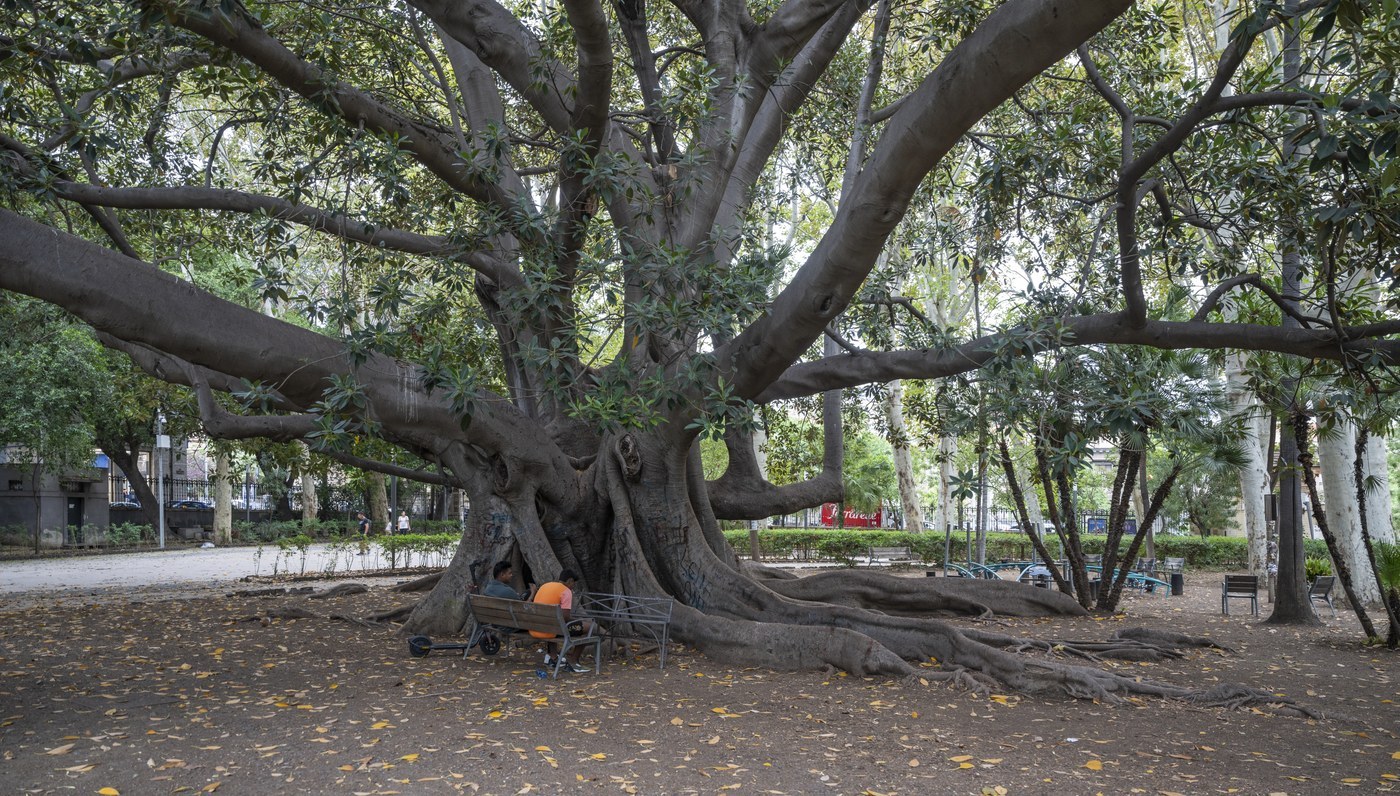
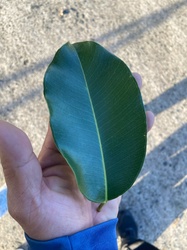
The Rubber Tree (Ficus elastica) is a popular, easy-care houseplant grown for its large, glossy, leathery leaves and upright, tree-like form. With bright indirect light and consistent care it can grow into an impressive indoor specimen several feet tall.
Light
Rubber Trees do best in bright, indirect light near an east-facing window or a few feet back from a brighter one. They tolerate some direct morning sun, but harsh midday sun can scorch the leaves. In low light, growth slows, new leaves shrink, and variegated forms lose their color, so give variegated cultivars especially bright light. Rotate the plant periodically for even growth.
Water
Water when the top inch of soil feels dry, then water thoroughly until it drains from the bottom. Let excess drain away and never let the pot sit in water. Rubber Trees dislike both drought stress, which causes leaf drop, and constant sogginess, which leads to root rot and yellowing leaves. Reduce watering in the darker, cooler months when the plant uses less.
Soil & Potting
Use a well-draining, aerated potting mix; a general houseplant mix amended with perlite, bark, or coarse sand works well. Choose a pot with drainage holes. These plants prefer to be slightly snug in their container and grow steadily in a mix that holds some moisture but drains freely.
Humidity & Temperature
Average room temperatures of about 60-75F (16-24C) suit it well, and it should be kept away from cold drafts, heating vents, and sudden temperature swings, which trigger leaf drop. It tolerates ordinary household humidity but appreciates moderate humidity; occasional misting or a nearby humidifier keeps the foliage looking its best in dry indoor air.
Feeding
Feed monthly during spring and summer with a balanced, diluted liquid houseplant fertilizer. Ficus elastica is a moderate feeder; avoid overfeeding, which can cause salt buildup and leaf-tip burn. Stop or greatly reduce feeding in fall and winter when growth naturally slows.
Propagation
Propagate from stem-tip cuttings or by air layering. For cuttings, take a section with a couple of leaves, let the cut milky sap dry, then root it in moist mix or water in a warm, bright spot. Air layering is reliable for taller, leggy plants: wound the stem, wrap it with moist sphagnum moss and plastic until roots form, then sever and pot up the new plant.
Repotting / Pruning
Repot every couple of years in spring, moving up one pot size when roots fill the container. To manage height and encourage branching, prune the top or leggy stems in spring; the plant releases milky sap when cut, so handle cuts carefully and wipe tools. Pruning just above a leaf node encourages new shoots below the cut. Wipe the leaves periodically with a damp cloth to remove dust and keep them glossy.
Common Problems & Pests
Leaf drop is the most common complaint, usually caused by overwatering, cold drafts, or a sudden change in conditions. Yellowing lower leaves often signal overwatering, while brown crispy edges suggest underwatering or low humidity. Watch for scale, mealybugs, and spider mites, especially in dry air; treat with insecticidal soap or by wiping the leaves. Consistent conditions are the key to a happy Rubber Tree.
Seasonal Care Tips
In spring and summer, water more regularly, feed monthly, and do any repotting or pruning while the plant is actively growing. In fall and winter, cut back on water, pause fertilizing, keep the plant warm and away from cold windows, and provide as much light as possible during the short days.
Frequently asked questions
Why is my Rubber Tree dropping leaves?
Leaf drop usually stems from overwatering, cold drafts, or an abrupt change in light or location. Keep watering consistent (only when the top inch is dry), maintain steady warmth away from vents and drafts, and give it stable bright indirect light.
How do I keep my Rubber Tree from getting tall and leggy?
Prune the top or long stems in spring just above a leaf node to encourage branching, and give the plant bright indirect light so growth stays compact rather than stretching toward a distant window.
Why are the lower leaves turning yellow?
Yellowing lower leaves most often indicate overwatering or poor drainage. Let the top inch of soil dry before watering again, make sure the pot drains freely, and never let it sit in standing water.
How can I make the leaves shiny again?
Dust dulls the naturally glossy foliage. Gently wipe each leaf with a soft, damp cloth every few weeks. Avoid commercial leaf-shine products, which can clog the leaf pores; clean water is enough.
Rubber Tree identified by the community
Recent Rubber Tree specimens identified with Plant Identifier.