
How to Care for Rue
Grow Rue (Ruta graveolens), a tough, drought-tolerant evergreen subshrub prized for its lacy blue-green foliage and yellow blooms.
Read the full Rue encyclopedia entry →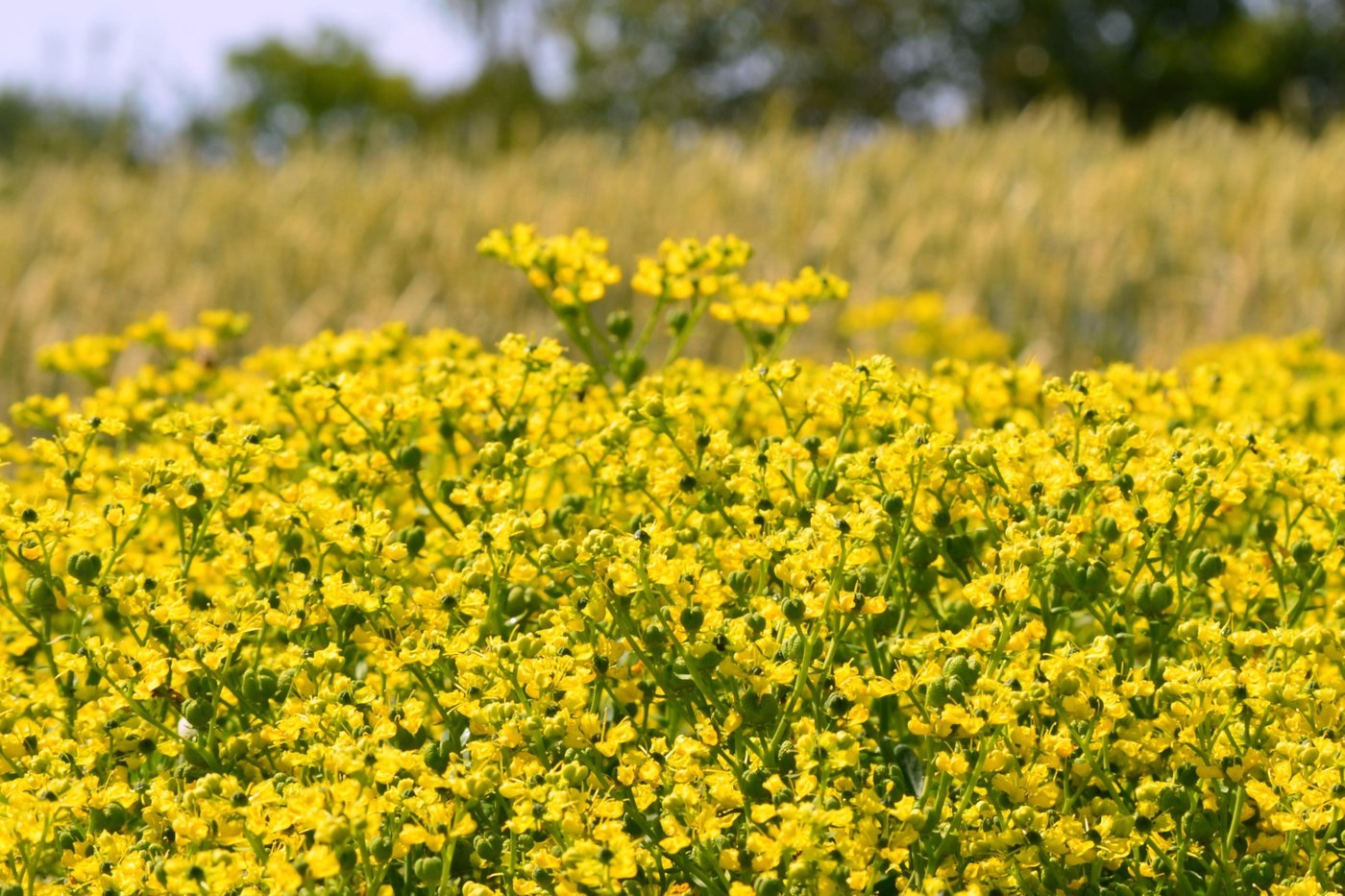
Rue (Ruta graveolens) is a tough, drought-tolerant evergreen subshrub grown as an ornamental for its distinctive lacy, blue-green foliage and clusters of small mustard-yellow summer flowers. Its fine, glaucous texture makes it a striking foil in sunny borders, gravel gardens, and formal edging.
Light
Rue needs full sun. Give it a bright, open position with at least six hours of direct light for the densest growth and the best blue-green foliage color. In shade it becomes floppy, sparse, and loses its compact shape, so a hot, sunny spot is essential.
Water
Water is low. Rue is decidedly drought-tolerant once established and prefers to run on the dry side. Water young plants until their roots take hold, then only during extended drought. It strongly dislikes soggy soil, which causes root rot, so err toward under-watering rather than over-watering this Mediterranean plant.
Soil & Potting
Provide light, well-drained soil; Rue thrives in poor, rocky, sandy, or gravelly ground that would starve fussier plants. It prefers neutral to slightly alkaline pH and detests wet feet. On heavy soils add plenty of grit and plant on a slope or raised bed to guarantee sharp drainage. It grows well in containers filled with a free-draining gritty mix.
Humidity & Temperature
Suited to roughly USDA zones 4 through 9, Rue is a hardy evergreen that tolerates both heat and moderate cold. It thrives in dry air and warmth and dislikes prolonged humidity and dampness, which encourage foliage problems. Excellent drainage and airflow help it sail through winter in colder zones.
Feeding
Rue needs very little feeding and actually keeps its best form and color in lean soil. Overly rich conditions or heavy fertilizer produce soft, floppy growth. At most, a light topdressing of compost in spring is plenty; skip nitrogen-heavy feeds entirely for a compact, well-colored plant.
Propagation
Propagate from seed sown in spring in warmth, from semi-ripe cuttings taken in summer, which root readily in gritty media, or by careful division. Cuttings are the surest way to reproduce a good foliage form. Handle the plant with gloves and long sleeves when propagating, as contact with the sap combined with sunlight can irritate skin.
Repotting / Pruning
Prune Rue in spring, cutting back the previous year's growth to keep the subshrub compact, bushy, and shapely and to remove any winter-damaged stems. Regular light trimming prevents it from becoming woody and open at the base. Wear gloves and cover your arms when pruning to avoid skin contact with the sap. Container plants can be potted on in spring into a slightly larger pot with fresh gritty mix as needed.
Common Problems & Pests
Rue is remarkably trouble-free thanks to its aromatic foliage, which deters many pests. The chief risk is root rot from wet, poorly drained soil, so drainage is everything. In humid conditions foliage can occasionally suffer fungal spotting or whitefly; improve airflow and avoid overhead watering. Otherwise it is one of the most resilient, low-maintenance plants in the garden.
Seasonal Care Tips
In spring prune back hard to shape the plant and refresh growth, and topdress lightly if the soil is very poor. Summer is easy: enjoy the yellow flowers and the fine foliage while watering only in severe drought. In autumn avoid heavy pruning that leaves tender growth exposed to cold. In winter the evergreen foliage persists; ensure the crown never sits in waterlogged soil, which is the main cold-season danger.
Frequently asked questions
Why is my Rue floppy and sparse?
This usually means too little sun or too-rich soil. Move it to a hot, full-sun spot in lean, well-drained ground and prune back in spring to restore a compact, bushy shape.
How often should I water Rue?
Very rarely once established. Rue is drought-tolerant and prefers dry conditions, so water only young plants and during extended drought. Soggy soil quickly causes root rot.
Should I wear gloves when handling Rue?
Yes. Wear gloves and cover your arms when pruning or propagating, as contact with the sap combined with sunlight can irritate skin.
When should I prune Rue?
Prune in spring, cutting back the previous year's growth to keep it compact and to remove winter damage. Avoid heavy pruning in autumn, which leaves tender new growth exposed to cold.