How to Care for Russian Sage
Grow Russian sage for airy silver foliage and long-blooming lavender-blue spires. An easy, drought-tolerant sun lover for hot, dry gardens.
Read the full Russian Sage encyclopedia entry →
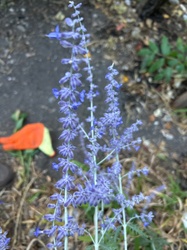
Russian sage (Salvia yangii, formerly Perovskia atriplicifolia) is a woody-based perennial subshrub with aromatic silvery foliage and a long summer show of hazy lavender-blue flower spires. It is an easy, tough plant that thrives on neglect in hot, sunny, well-drained sites and asks very little once established.
Light
Russian sage needs full sun, at least six to eight hours daily. Abundant sun keeps the stems sturdy and upright and drives the best flowering; in too much shade the plant grows floppy and open and blooms poorly. Give it your hottest, brightest spot for the classic dense, silvery, free-flowering habit.
Water
Water sparingly, as this is a very drought-tolerant plant. Water new plantings regularly through the first season to establish deep roots, then reduce dramatically; established plants generally rely on rainfall and tolerate extended dry spells with ease. Overwatering and soggy soil are far more dangerous than drought and lead to root rot and floppy growth. Let the soil dry well between any supplemental waterings.
Soil & Potting
Russian sage prefers lean, dry, well-drained soil and even thrives in poor, sandy, or gravelly ground. Sharp drainage is essential; it dislikes heavy clay and wet feet. It tolerates a wide pH range and does not need rich soil, so avoid heavy amendment. In containers, use a gritty, fast-draining mix and a pot with excellent drainage.
Humidity & Temperature
This is a plant of hot, dry climates and is very cold-hardy, thriving roughly through USDA zones 4 to 9. It shrugs off heat, wind, and dry air, and prefers low humidity; in humid regions good air flow and sharp drainage help prevent problems. It dies back in winter and resprouts from the woody base each spring.
Feeding
Feed very little. Russian sage performs best in lean soil, and excess fertilizer produces weak, floppy stems that flop open and reduce flowering. A light topdressing of compost in spring is plenty; skip regular fertilizing entirely in most gardens. If growth is lush but stems sprawl, cut back on any feeding.
Propagation
Propagate from softwood stem cuttings in late spring or early summer, rooting them in a gritty, moist mix with bright light. Established clumps can also be divided in spring, and plants sometimes spread by underground runners that can be dug and transplanted. Seed is possible but slower and more variable than cuttings.
Repotting / Pruning
The key pruning task is a hard cutback in late winter or early spring: shear the whole plant to about 6 to 12 inches above the ground before new growth starts. This keeps it compact, upright, and vigorous, since flowers form on new wood. Avoid cutting into the base in fall. Container plants can be refreshed and divided every few years in spring.
Common Problems & Pests
Russian sage is remarkably pest- and disease-resistant, thanks to its aromatic foliage. The main problems come from too much water or shade, causing root rot and floppy, sprawling stems. Ensure sharp drainage and full sun to avoid these. It rarely troubled by insects, and its resilience is a big part of its low-maintenance appeal.
Seasonal Care Tips
In late winter or early spring, cut the plant back hard to force strong new growth. Through spring, water new plants to establish them and let established ones fend for themselves. Summer brings the long lavender-blue bloom show with almost no care needed. In fall, leave the silvery stems standing for winter structure and cut them down at the next spring pruning.
Frequently asked questions
Why is my Russian sage flopping over?
Flopping usually comes from too much shade, overly rich soil, or too much water. Grow it in full sun and lean, dry soil, cut back hard in spring, and avoid fertilizer to keep stems upright.
When should I cut back Russian sage?
Cut it back hard in late winter or early spring, down to about six to twelve inches, before new growth begins. It blooms on new wood, so this annual cutback keeps it compact and floriferous.
How often should I water Russian sage?
Water regularly only during its first season to establish. After that it is very drought-tolerant and usually needs no supplemental water except in prolonged drought. Overwatering causes more harm than dryness.
Does Russian sage spread?
It can spread slowly by underground runners and self-seeding in favorable conditions. Dig up unwanted shoots in spring, and its aromatic foliage makes it low-maintenance and rarely bothered by pests.
Russian Sage identified by the community
Recent Russian Sage specimens identified with Plant Identifier.