
How to Care for Saffron
Ornamental growing guide for saffron crocus (Crocus sativus): a fall-blooming corm needing full sun, sharp drainage, and a dry summer rest.
Read the full Saffron encyclopedia entry →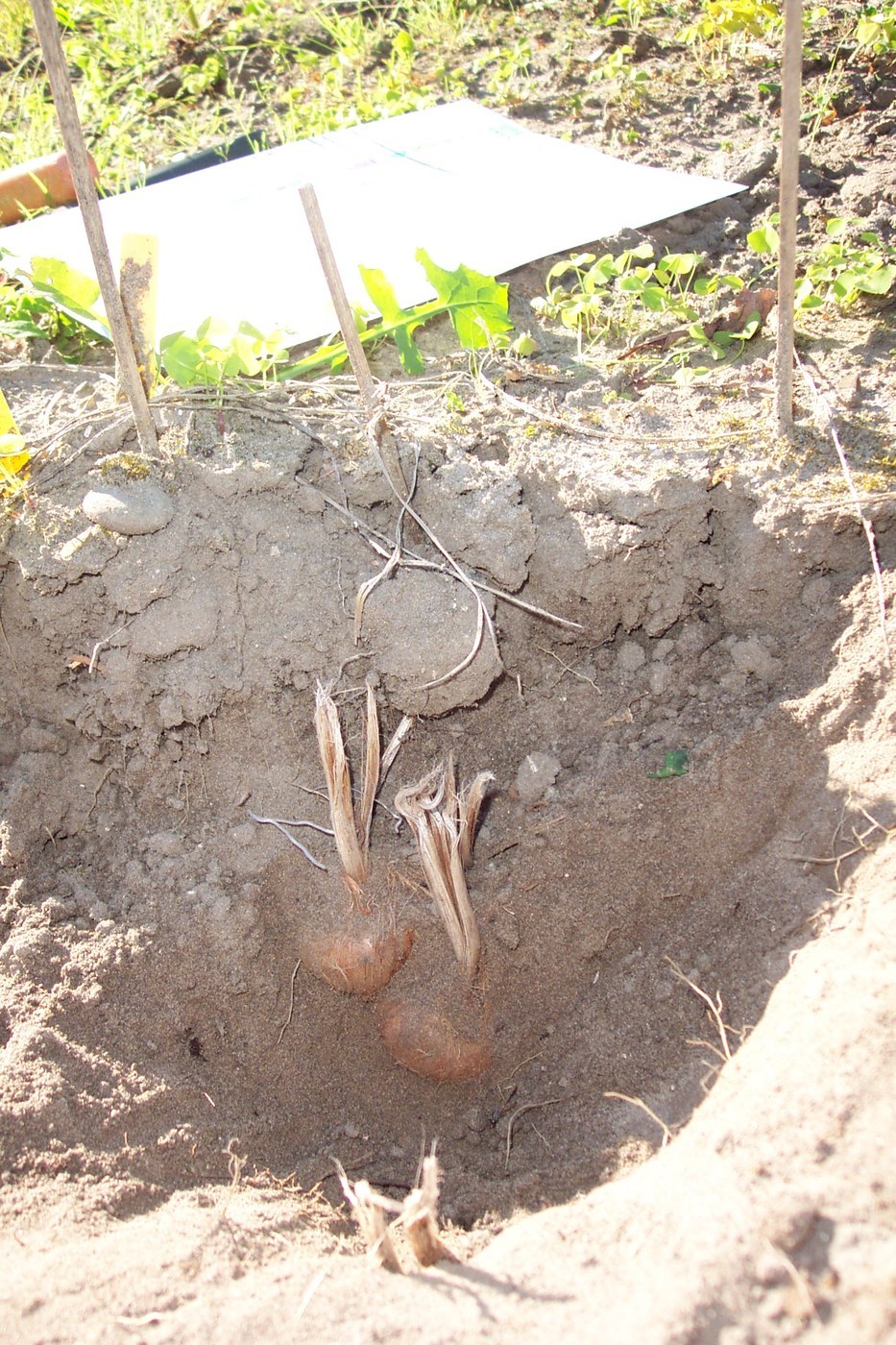
Saffron crocus (Crocus sativus) is a charming autumn-flowering bulb (corm) that produces goblet-shaped lilac-purple blooms with vivid crimson stigmas in fall. It is a moderate grower whose success hinges on sharp drainage, full sun, and respecting its summer dormancy.
Light
Saffron crocus demands full sun. Plant it where it receives at least 6 hours of direct light daily, in an open, unshaded spot. Ample sun is essential for reliable flowering and for ripening the corms during the growing season; shade produces weak plants and few blooms.
Water
Provide moderate water during the active growth period from fall through spring, keeping the soil lightly moist but never soggy. Crucially, the corms need a warm, dry rest through summer dormancy, so withhold water then. Overwatering, especially in summer, is the fastest way to rot the corms.
Soil & Potting
Sharp drainage is non-negotiable. Plant in gritty, sandy or loamy, well-drained soil with a neutral-to-slightly-alkaline pH. Improve heavy soils with grit or coarse sand and plant on a raised bed or slope if drainage is doubtful. Set corms about 4 inches deep and 3-4 inches apart, pointed end up.
Humidity & Temperature
Saffron crocus suits a Mediterranean-style climate: sunny, dry summers and mild, moist winters. It is reasonably cold-hardy in the ground but resents cold, wet winter soil. Low ambient humidity during the summer dormancy helps keep corms firm and healthy; damp, muggy rest periods promote rot.
Feeding
Feed lightly. Work a little balanced or low-nitrogen bulb fertilizer, or a topdressing of compost, into the soil at planting and again as leaves emerge. A potassium-rich feed after flowering helps build strong corms for next year. Avoid high-nitrogen feeds, which favor leaves over flowers.
Propagation
Saffron crocus is sterile and does not set viable seed, so it is propagated entirely by division of the corms. Lift clumps during summer dormancy every few years, separate the new cormlets that form around the parent, and replant them at the correct depth and spacing in late summer for fall bloom.
Repotting / Pruning
Let the grassy foliage grow on after flowering through winter and spring, and never cut it prematurely; it feeds the corms for the next season. Allow leaves to yellow and die back naturally before tidying them away. Lift and divide crowded clumps every 3-4 years during dormancy to maintain vigor and flowering.
Common Problems & Pests
The main threat is corm rot from wet, poorly drained soil, particularly during summer. Corms may also be dug up or nibbled by rodents. Fungal diseases can appear in damp conditions. Ensuring gritty soil, full sun, and a dry summer rest prevents most problems; a wire basket can protect corms from digging pests.
Seasonal Care Tips
Late summer: plant or divide and replant corms, and begin light watering. Fall: flowers appear; keep soil lightly moist and feed lightly. Winter-spring: grassy foliage grows and nourishes the corms; keep sunny and moderately moist. Early summer: leaves yellow and die back, then keep the corms warm and dry through their essential dormancy.
Frequently asked questions
Why won't my saffron crocus flower?
The most common causes are too little sun, overcrowded corms, or corms planted too shallow. Give full sun, plant about 4 inches deep, and lift and divide crowded clumps every few years during summer dormancy.
How do I keep saffron corms from rotting?
Plant in gritty, sharply drained soil in full sun and, most importantly, keep them warm and dry during summer dormancy. Cold, wet soil, especially in summer, is what rots the corms.
Can I grow saffron crocus from seed?
No. Crocus sativus is sterile and sets no viable seed. Propagate only by dividing the cormlets that form around parent corms, lifting and replanting them during summer dormancy.
When should I plant saffron crocus corms?
In late summer, so they bloom that fall. Set them roughly 4 inches deep and 3-4 inches apart, pointed end up, in a sunny, well-drained spot.