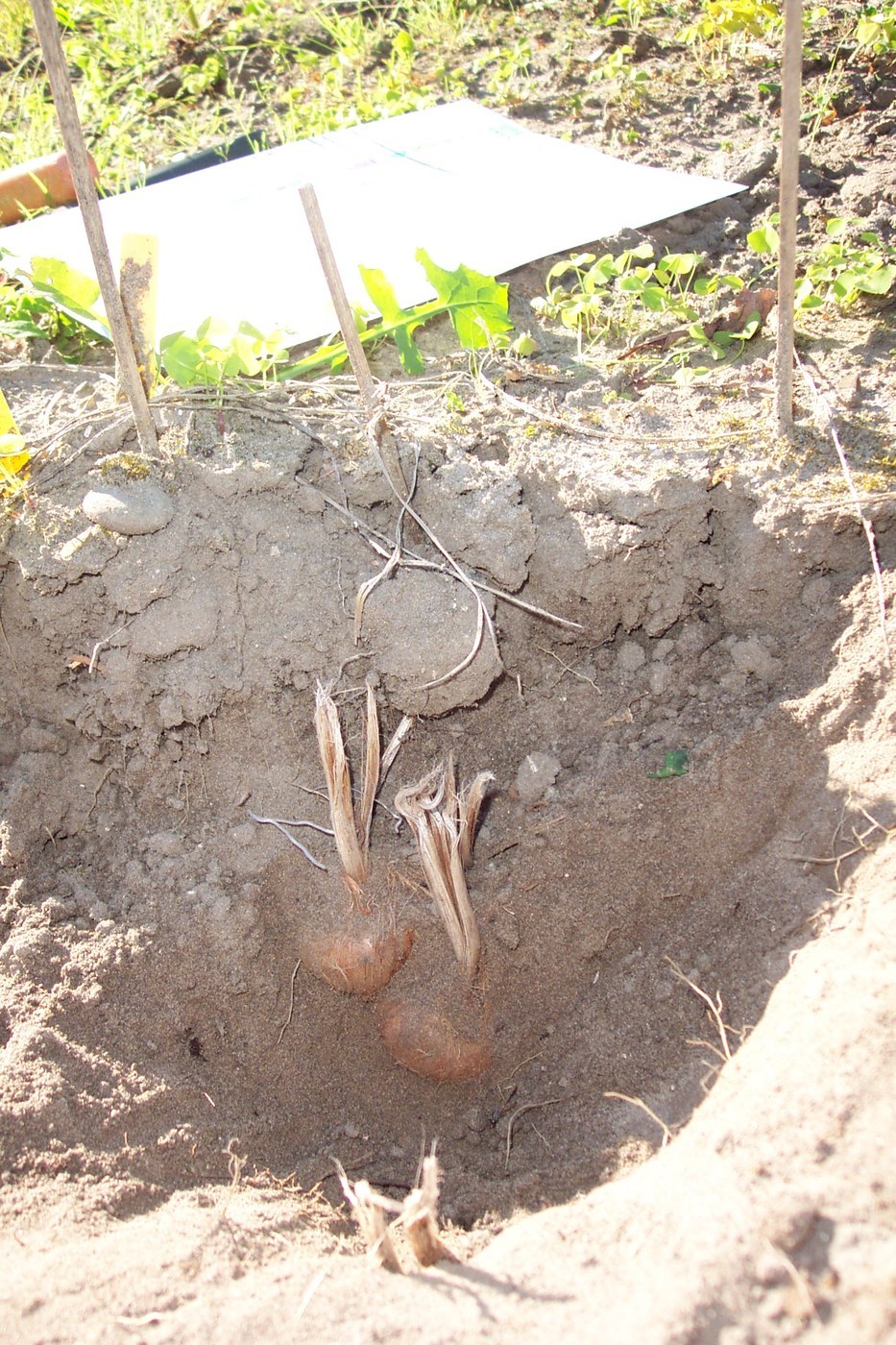
Saffron
Crocus sativus
An autumn-blooming crocus grown for the three crimson stigmas in each flower, which yield the spice saffron. Each flower is hand-picked, making cultivation labor-intensive.
- Light
- Full sun
- Water
- Moderate in growth; dry summer dormancy
- Difficulty
- Moderate
Got a plant like this?
Identify any plant from a photo, free.
Overview
Saffron crocus is a fall-flowering corm that produces lilac-purple blooms, each containing three vivid red stigmas. Those dried threads are the prized spice saffron.
Because it takes thousands of flowers and meticulous hand-harvesting to produce a small amount, saffron has been a luxury commodity for over 3,000 years. The plant is sterile and propagated only by dividing its corms.
How to identify it
- Lilac to purple, cup-shaped flowers appearing in autumn
- Three long, branching, deep red stigmas protruding from each bloom (the saffron)
- Grass-like, narrow leaves with a silvery midrib
- Grows from an underground corm
- Low-growing, typically 10-20 cm (4-8 in) tall
Care & growing
Saffron rewards careful timing and good drainage.
- Light: Full sun
- Water: Moderate during autumn growth; keep dry during summer dormancy
- Soil: Light, well-drained, even gritty soil; corms rot in wet ground
- Temperature: Hardy in temperate climates with hot dry summers and cool wet autumns
- Feeding: Light feeding after flowering supports corm development
- Propagation: By dividing offset corms; the plant sets no viable seed
Habitat & origin
Saffron crocus is a cultivated, sterile plant believed to have originated from wild crocuses in the eastern Mediterranean and Greece.
It is grown commercially in regions with hot, dry summers and mild autumns, especially Iran (the largest producer), India (Kashmir), Spain, Greece, and Morocco.
Frequently asked questions
Why is saffron so expensive?
Each flower yields only three tiny stigmas that must be hand-picked, and it takes roughly 150,000 flowers to fill a single kilogram, so production is extremely labor-intensive.
Can I grow saffron at home?
Yes. Plant corms in late summer in full sun and very well-drained soil; the stigmas can be gathered from the autumn flowers.
How many threads come from one flower?
Exactly three red stigmas per flower, which is why harvesting is so labor-intensive.
Does saffron grow from seed?
No. Crocus sativus is sterile and is propagated only by dividing and replanting its corms.
Saffron guides
In-depth guides for identifying, growing, and caring for Saffron.
How to Care for Saffron
Ornamental growing guide for saffron crocus (Crocus sativus): a fall-blooming corm needing full sun, sharp drainage, and a dry summer rest.
Saffron Identification Guide
How to identify the saffron crocus (Crocus sativus) by its autumn purple flowers, three long red stigmas, and grass-like leaves.