
Saffron Identification Guide
How to identify the saffron crocus (Crocus sativus) by its autumn purple flowers, three long red stigmas, and grass-like leaves.
Read the full Saffron encyclopedia entry →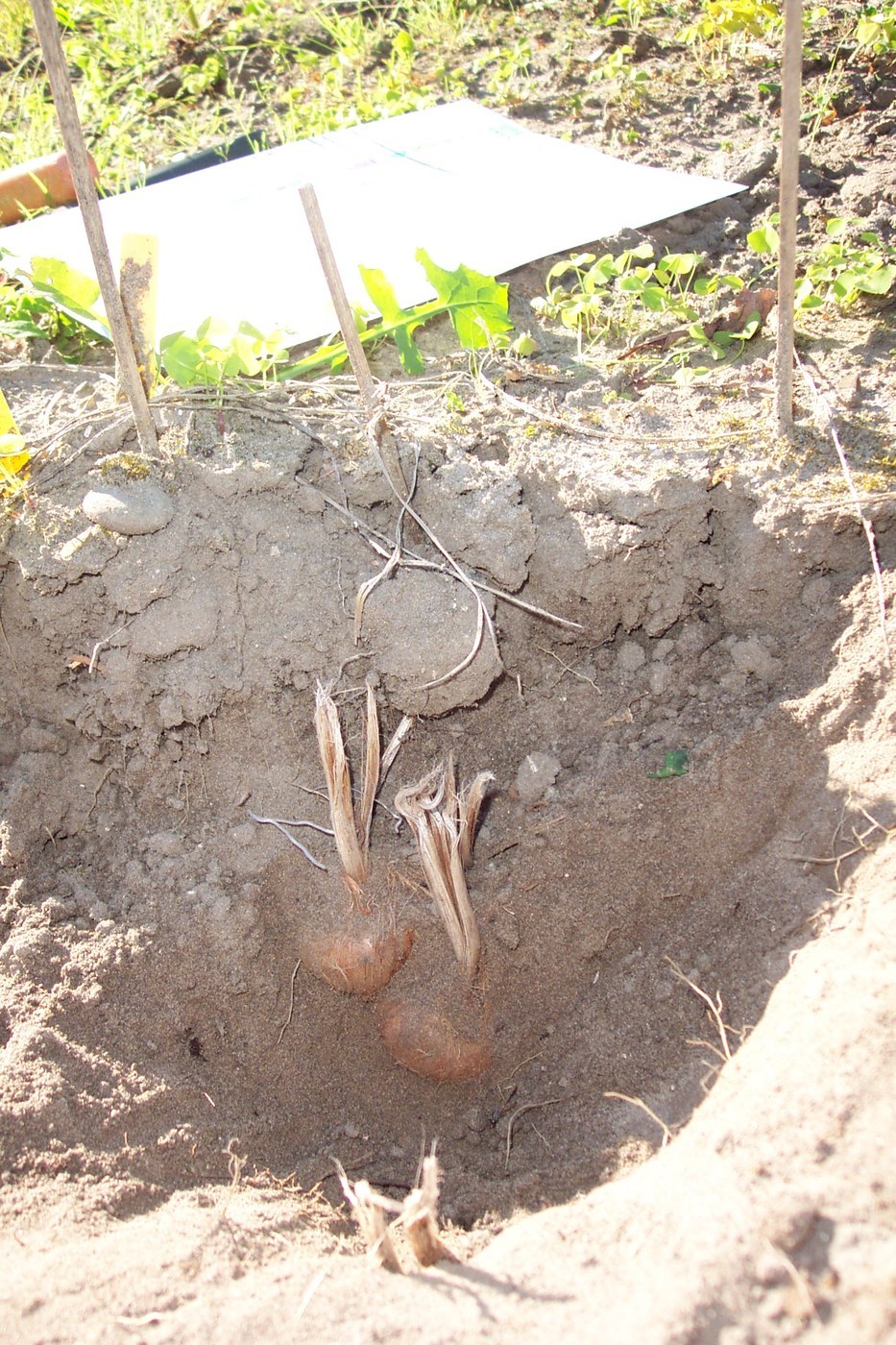
Key Identifying Features
The saffron crocus (Crocus sativus) is the autumn-flowering crocus that is the source of the saffron spice. Distinguish it by:
- Lilac-purple flowers appearing in autumn (not spring).
- Three long, branched, deep red-orange stigmas drooping out of each flower.
- Grass-like, narrow leaves with a white midrib.
- A small corm (bulb-like base) underground.
Leaves & Stems
Saffron crocus is a low geophyte, only 10–30 cm tall. The leaves are very narrow, grass-like, and dark green, each with a distinctive silvery-white central stripe, arising in a tuft from the corm. Leaves emerge with or just after the flowers in autumn and persist into spring. There is no true above-ground stem — the flower sits on a slender tube rising directly from the corm. The underground corm is rounded, 2–3 cm, wrapped in fibrous brown tunics.
Flowers & Fruit
The flower is the key. Blooming in autumn (October–November), each cup-shaped flower has six lilac-to-purple tepals, often with darker veining. At the center are three bright orange-yellow stamens and — crucially — a single style that splits into three long, drooping, vivid red-to-crimson stigmas (threads) that extend beyond the petals. Crocus sativus is a sterile triploid, so it sets no seed and is propagated only by corm division — meaning you'll never find fruit or seedlings.
How to Tell It Apart from Look-Alikes
- Spring crocuses (Crocus vernus, etc.): very similar flowers, but bloom in late winter/spring, and have short yellow or pale stigmas, not long red threads.
- Autumn crocus / meadow saffron (Colchicum autumnale): looks alike and also blooms in autumn, but has six stamens (not three) and white/pale styles — never the three long red stigmas. Count the stamens and check stigma color to separate them.
- Sternbergia: yellow autumn flowers, easily separated by color.
- The combination of autumn bloom + three long red stigmas + three stamens is unique to true saffron.
Where You'll Find It
Saffron crocus does not occur truly wild; it is cultivated in well-drained, sunny fields and gardens, especially in Iran, Spain, India (Kashmir), Greece, and parts of the Mediterranean and beyond. Look for it in saffron farms and ornamental autumn-bulb plantings.
Quick ID Checklist
- Purple cup-shaped flower blooming in autumn
- Three long, drooping, red-crimson stigmas
- Three orange stamens (not six)
- Narrow grass-like leaves with a white midrib
- Low growth from an underground corm; no seed set
Three red threads in an autumn purple flower confirm saffron — and rule out look-alikes.
Frequently asked questions
How do I tell saffron crocus from autumn crocus (Colchicum)?
Saffron crocus has three stamens and three long red stigma threads, while Colchicum (meadow saffron) has six stamens and white styles. Count the stamens and look for the red threads to tell them apart.
When does saffron crocus bloom?
In autumn, typically October to November, unlike ornamental crocuses that flower in late winter or early spring.
Does saffron crocus produce seeds?
No. Crocus sativus is a sterile triploid and sets no seed, so it's propagated only by dividing corms. You won't find it spreading by seed in the wild.