How to Care for Sage
Care guide for Salvia officinalis: a sun-loving, drought-tolerant Mediterranean subshrub with soft grey-green foliage and lavender flower spikes.
Read the full Sage encyclopedia entry →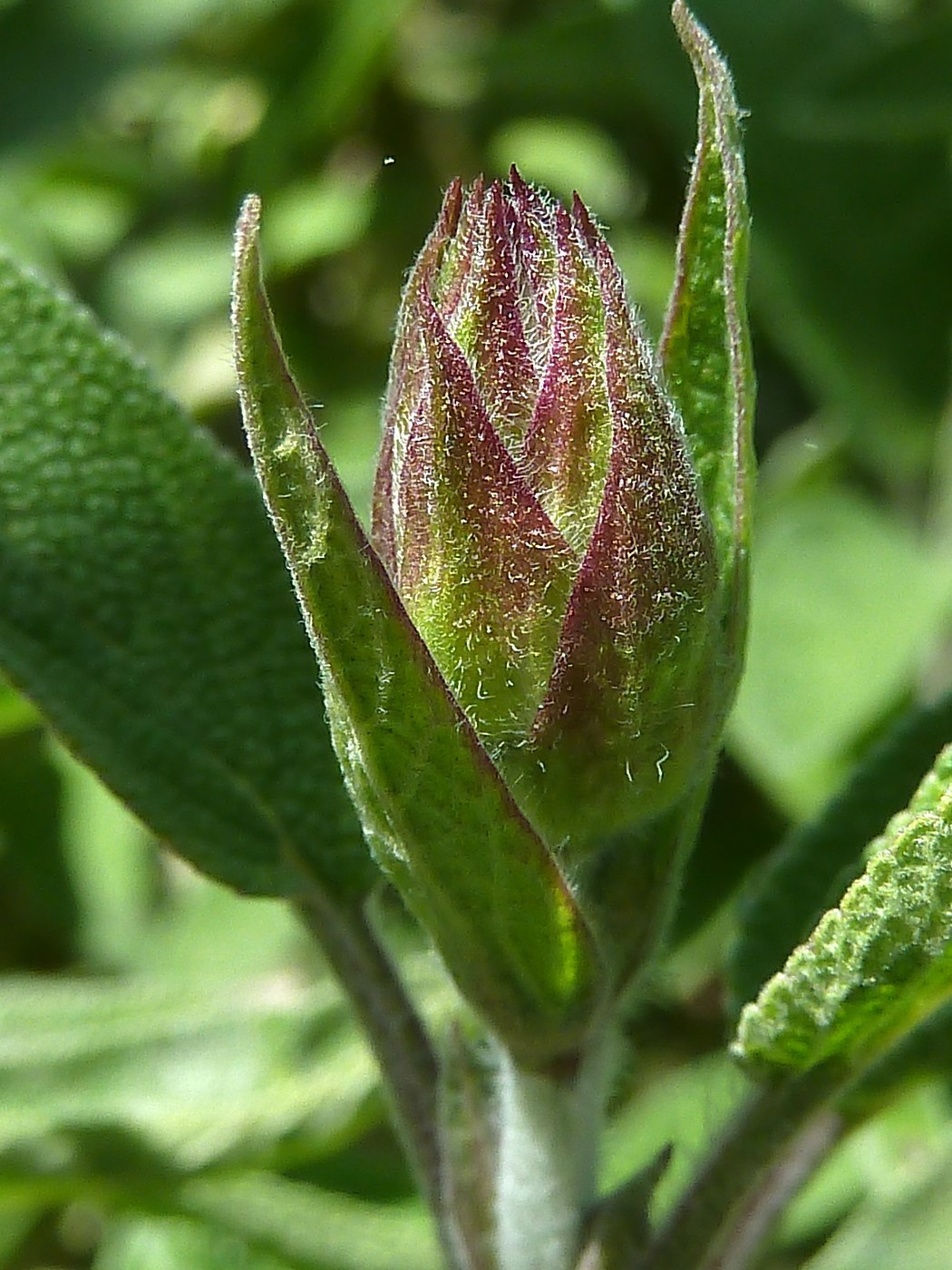
Sage (Salvia officinalis) is an easygoing, woody-based Mediterranean perennial grown for its handsome, textured grey-green leaves and, in early summer, spikes of soft lavender-blue flowers that draw bees. It is a classic low-maintenance plant for a sunny, well-drained spot and rewards a bit of restraint with watering.
Light
Give sage full sun, the more the better. It needs at least 6-8 hours of direct sun daily to keep its foliage dense, aromatic, and compact. In too little light the stems stretch, growth becomes leggy and floppy, and the plant is far more prone to rot and disease.
Water
Water low and let the soil dry out between waterings. Sage is genuinely drought-tolerant and its worst enemy is excess moisture. Water established plants deeply but infrequently, allowing the top few inches of soil to dry before the next drink. Overwatering causes root rot and washed-out flavorless growth, so err on the dry side.
Soil & Potting
Sharp drainage is essential. Sage thrives in light, gritty, well-drained soil of average to lean fertility and a neutral to slightly alkaline pH. Heavy, wet clay is fatal over winter; amend it generously with grit or coarse sand, or grow in a raised bed or terracotta pot. Avoid rich, moisture-retentive mixes.
Humidity & Temperature
As a Mediterranean native, sage loves warm, dry air and open, breezy conditions. High humidity and crowding invite mildew and rot. It is reasonably cold-hardy (roughly USDA zones 5-8) and tolerates light frost, though in harsh winters a little protection or a sheltered position helps. It dislikes prolonged cold, wet soil.
Feeding
Sage prefers lean conditions and needs very little feeding. A light application of balanced fertilizer or a topdressing of compost in spring is ample. Over-feeding, especially with high nitrogen, produces soft, sprawling growth with weaker aroma and less resistance to disease. Restraint keeps the plant compact and healthy.
Propagation
Easily propagated from softwood cuttings taken in late spring or early summer; they root readily in a gritty, free-draining mix. Layering works well too: pin a low branch to the soil and it roots within weeks. Sage also grows from seed, though germination is slow and cultivars are best kept true by cuttings.
Repotting / Pruning
Prune lightly in spring after the last frost to shape the plant and remove winter-damaged or dead wood; a second light trim after flowering keeps it bushy. Avoid cutting hard into old bare wood, which is slow to resprout. Sage tends to get woody and sparse after 3-5 years, so replace it with fresh cuttings periodically. Container plants can be repotted every couple of years into fresh gritty mix.
Common Problems & Pests
Most problems trace back to overly wet conditions. Root rot, powdery mildew, and botrytis strike in damp, crowded, or shady sites, so prioritize sun, spacing, and drainage. Spider mites, whiteflies, and spittlebugs may appear but are rarely serious. Improve airflow, avoid overhead watering, and remove affected foliage promptly.
Seasonal Care Tips
- Spring: Prune to shape after frost; topdress lightly with compost; take cuttings.
- Summer: Water sparingly, enjoy the flower spikes, and trim after blooming to keep growth compact.
- Autumn: Reduce watering as growth slows; avoid feeding so the plant hardens off for winter.
- Winter: Ensure the crown never sits in wet soil; provide a sheltered spot or light protection in cold, exposed gardens.
Frequently asked questions
Why is my sage plant getting leggy and woody?
This is natural with age and worsens with too little sun or over-feeding. Give it full sun, prune lightly each spring to encourage bushiness, and plan to replace plants every 3-5 years from fresh cuttings as they become woody.
How often should I water sage?
Infrequently. Let the top few inches of soil dry out between waterings. Sage is drought-tolerant and far more likely to suffer from overwatering, which causes root rot, than from being kept a bit too dry.
Can I grow sage in a pot?
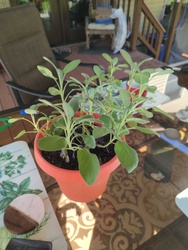
Yes, and a terracotta pot is ideal because it wicks away moisture. Use a gritty, free-draining mix, place it in full sun, and water only when the soil has dried. Repot every couple of years into fresh mix.
Does sage survive winter?
It is reasonably cold-hardy and tolerates light frost, but wet winter soil is its main danger. Ensure sharp drainage, give it a sheltered spot, and provide light protection in harsh, exposed gardens.
Sage identified by the community
Recent Sage specimens identified with Plant Identifier.