Sage
Salvia officinalis
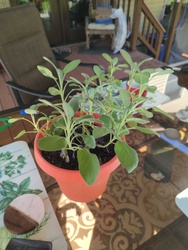
Sage is a hardy Mediterranean shrub-herb with soft, gray-green aromatic leaves, widely grown as a culinary herb and ornamental in sunny gardens.
- Light
- Full sun
- Water
- Low; let soil dry between waterings
- Difficulty
- Easy
Got a plant like this?
Identify any plant from a photo, free.
Overview
Common sage is a woody perennial herb in the mint family, grown for its velvety, gray-green aromatic leaves. Native to the Mediterranean, it is an aromatic culinary herb long grown in gardens.
Sage forms a low, spreading subshrub that becomes woody at the base with age. In summer it produces spikes of attractive purple-blue flowers loved by bees. Several ornamental cultivars offer variegated, purple or tricolor foliage.
Drought-tolerant and evergreen in mild climates, sage is an easy, rewarding plant for sunny gardens.
How to identify it
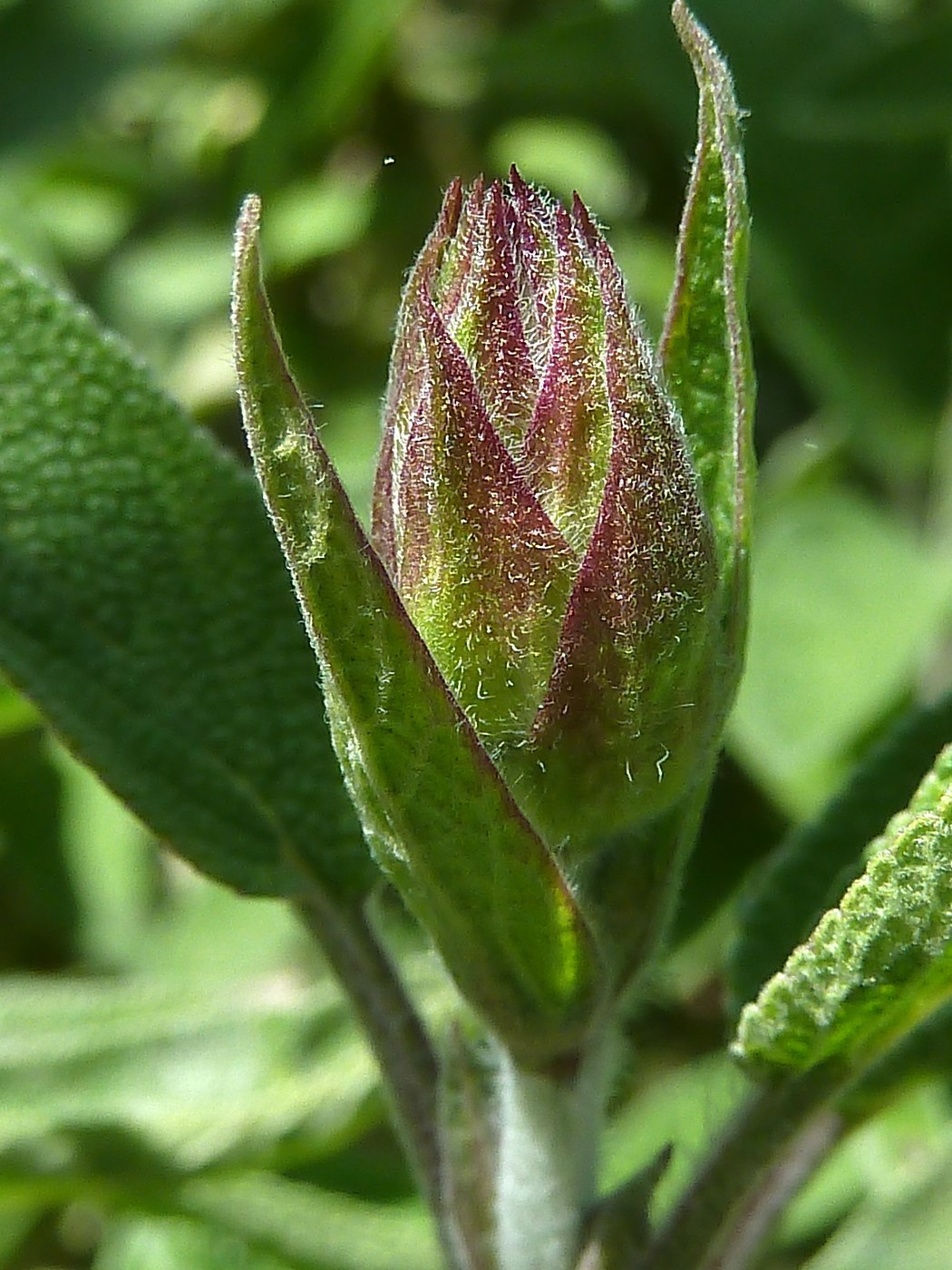
Sage is recognized by its soft, textured gray-green leaves and woody base.
- Leaves: Oblong, gray-green, with a finely pebbled, slightly fuzzy surface and a strong aroma
- Stems: Square, becoming woody and gnarled at the base with age
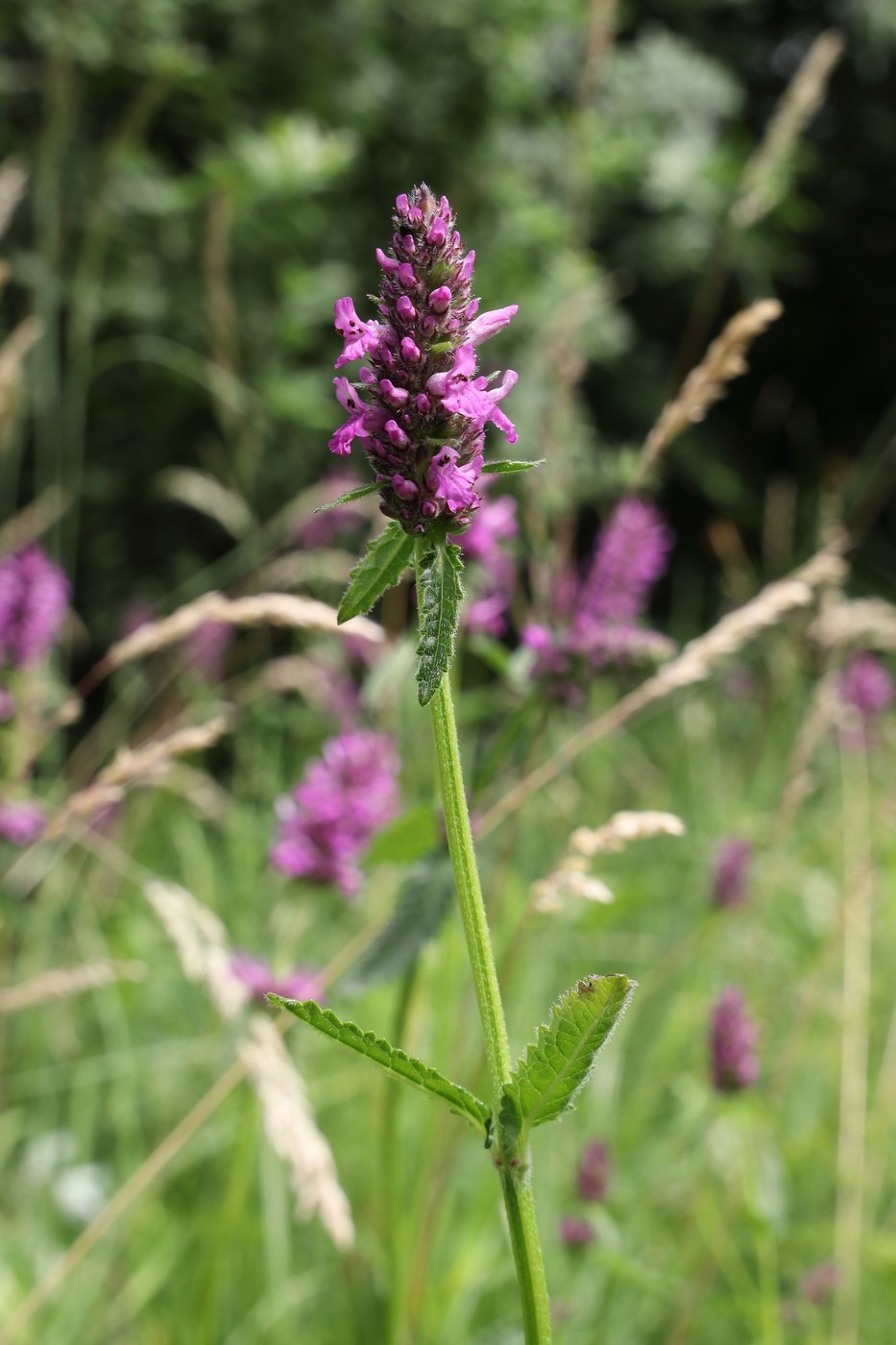
- Flowers: Spikes of two-lipped purple-blue (sometimes pink or white) blooms in early summer
- Height: Typically 40-70 cm (16-28 in) tall and wide
- Habit: Low, bushy, evergreen subshrub
Care & growing
Sage thrives on neglect in sunny, well-drained spots.
- Light: Full sun for compact growth
- Water: Low; allow soil to dry between waterings and avoid waterlogging
- Soil: Light, well-drained, even sandy or rocky soil; dislikes wet feet
- Temperature: Hardy in many temperate zones; evergreen in mild winters
- Feeding: Minimal; rich soil reduces aroma
- Propagation: From seed, cuttings or layering. Prune lightly after flowering to keep plants bushy and prevent excessive woodiness; replace older plants every few years.
Habitat & origin
Common sage is native to the Mediterranean region, where it grows on dry, rocky, sunny hillsides. It has been cultivated and naturalized across Europe and beyond for centuries.
Today it is grown in herb gardens, kitchen gardens and ornamental borders worldwide, and commercially for the essential-oil trade. Its drought tolerance makes it well suited to xeriscaping and Mediterranean-style plantings.
Frequently asked questions
How do I keep my sage plant from getting woody?
Prune it lightly each year after flowering to encourage fresh growth, and avoid cutting into old bare wood. Replacing plants every 4-5 years keeps them vigorous.
Does sage come back every year?
Yes. Common sage is a hardy perennial and stays evergreen in mild climates, returning reliably for several years.
How much water does sage need?
Very little once established. Sage is drought tolerant and prefers to dry out between waterings; soggy soil causes root rot.
Sage guides
In-depth guides for identifying, growing, and caring for Sage.
How to Care for Sage
Care guide for Salvia officinalis: a sun-loving, drought-tolerant Mediterranean subshrub with soft grey-green foliage and lavender flower spikes.
Sage Identification Guide
Identify common sage by its soft gray-green pebbled leaves, square woody stems, and tubular two-lipped purple-blue flowers. Covers its mint-family traits and how to separate it from lavender and lamb's ear.
Sage identified by the community
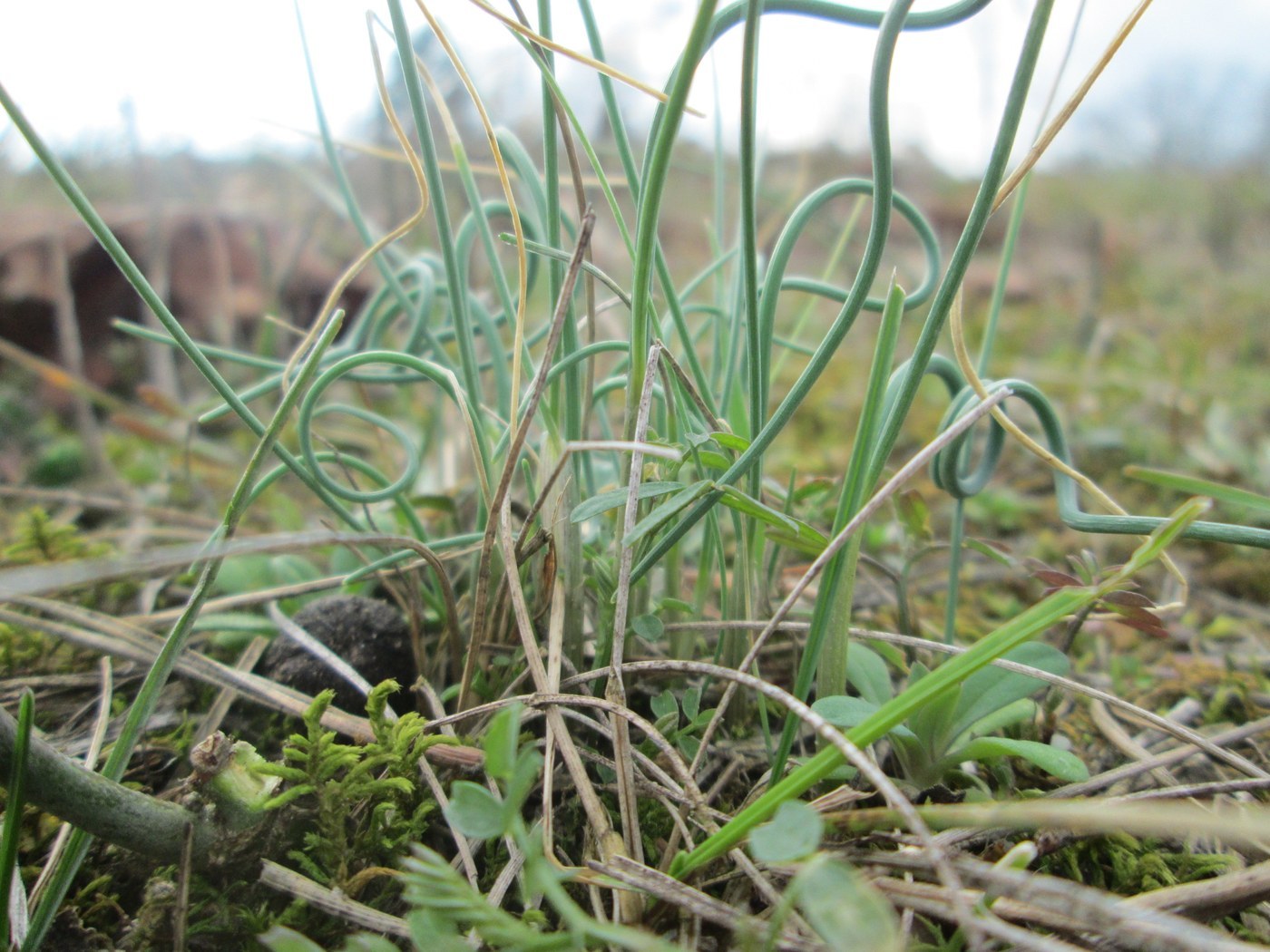
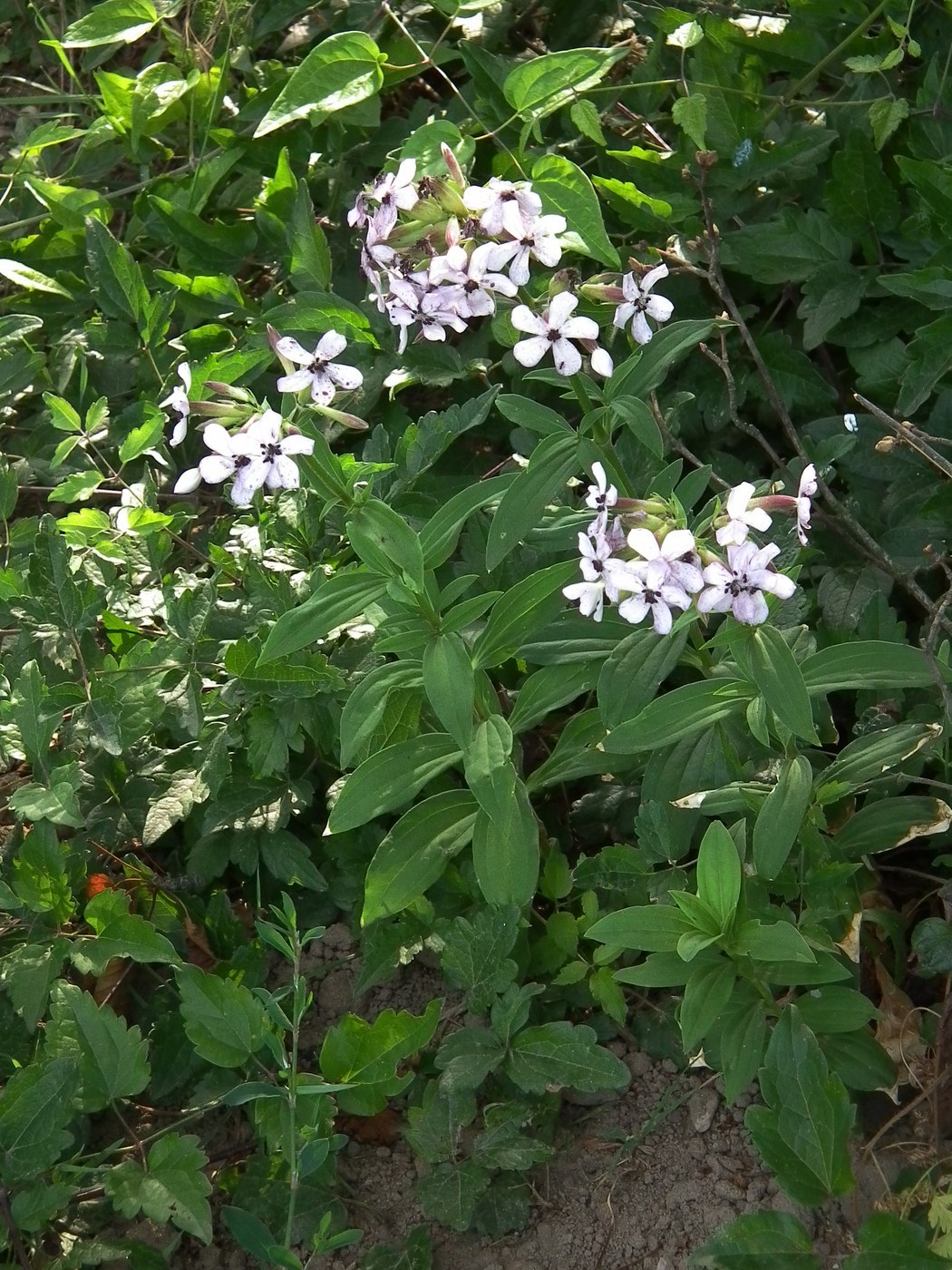
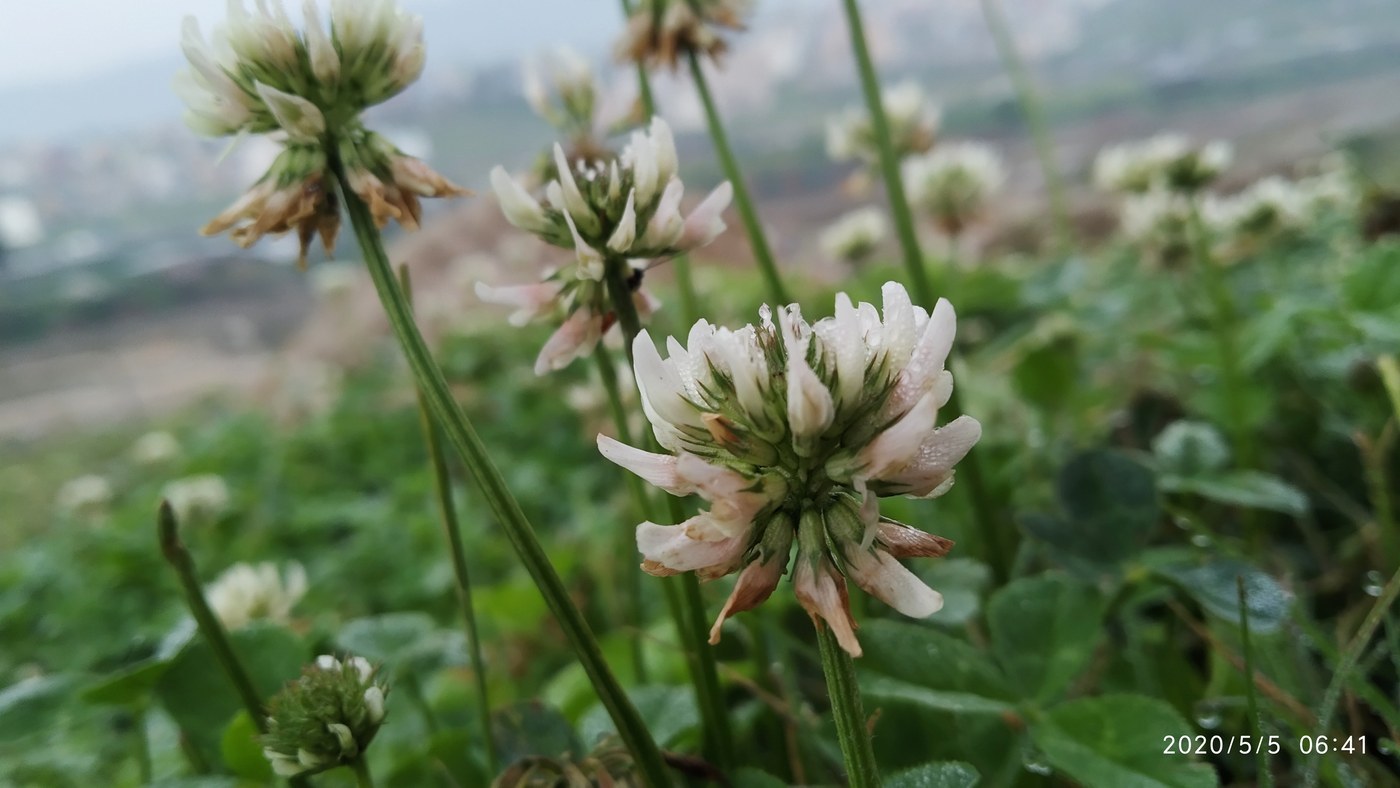
Real specimens identified with Plant Identifier.