
How to Care for Saguaro Cactus
Grow the iconic Saguaro Cactus (Carnegiea gigantea), a slow, majestic desert giant that demands intense sun and sharp drainage.
Read the full Saguaro Cactus encyclopedia entry →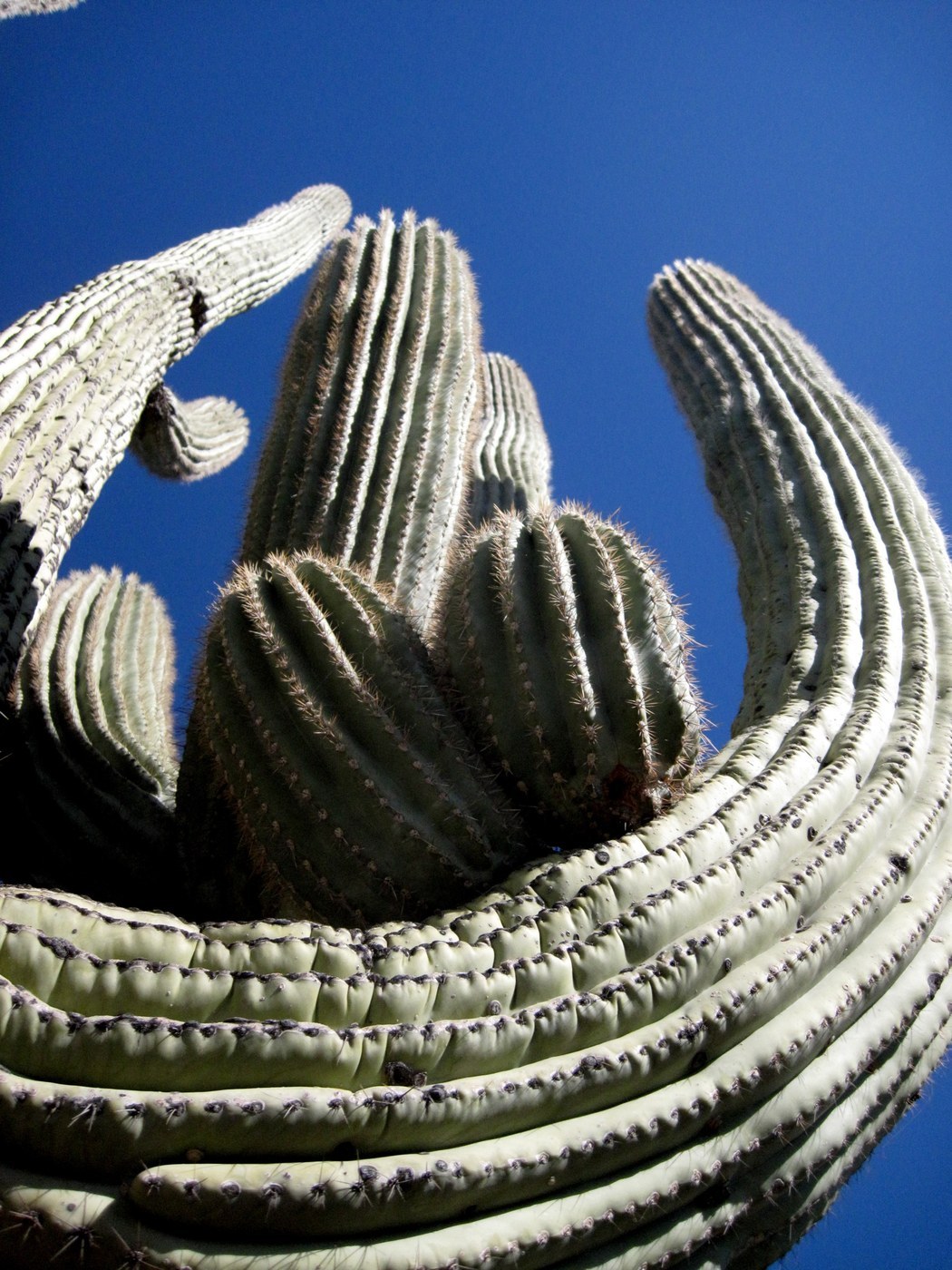
The Saguaro Cactus (Carnegiea gigantea) is the towering, columnar icon of the Sonoran Desert, famous for its fluted ribs, spiny arms that develop only with great age, and crown of waxy white flowers. It is extremely slow-growing and long-lived, rewarding patience and precise, desert-mimicking care.
Light
Saguaro demands full, intense sun. It evolved under the blazing desert sky and needs the brightest position you can offer, whether outdoors in a hot arid climate or in the sunniest spot indoors under strong supplemental light. Insufficient light causes weak, etiolated growth and pale color. Acclimate young plants gradually to avoid sunburn on tissue not previously exposed.
Water
Water very rarely; this cactus is profoundly drought-adapted and stores water in its pleated body. During the warm growing season, water deeply only when the soil has dried out completely, then allow another long dry interval. In cool months, withhold water almost entirely. Overwatering is the single greatest killer, causing rot far more often than drought ever does.
Soil & Potting
Use a fast-draining, mineral-rich cactus mix, ideally amended heavily with coarse sand, pumice, or gravel so water flushes through in seconds. Avoid moisture-retentive, peaty soils. In containers, use a pot with generous drainage holes; unglazed clay helps the soil dry quickly. In the ground, plant on a mound or slope to guarantee drainage away from the base.
Humidity & Temperature
Saguaro thrives in hot, dry conditions and low humidity. It tolerates extreme daytime heat and the wide day-night temperature swings of the desert. It handles brief cold and light frost when dry, but wet cold is dangerous and prolonged freezing damages tissue. Keep it dry and sheltered from hard frost, and provide airy, arid conditions rather than damp, stagnant air.
Feeding
Feed sparingly. During the growing season, a dilute, low-nitrogen cactus fertilizer once or twice a year is ample. Excess nitrogen forces soft, weak growth that is prone to rot and disfigurement. On this naturally slow grower, restraint produces the firmest, healthiest columnar form.
Propagation
Saguaro is grown almost exclusively from seed. Sow the tiny seeds on the surface of a gritty, sterile mix, keep warm and lightly moist until germination, then move seedlings into bright light and a drier regime. Growth is famously slow, with seedlings remaining small for years, so propagation is a long-term project requiring patience.
Repotting / Pruning
Repot young container saguaros infrequently, only when clearly outgrowing the pot, and always into dry soil, waiting several days before watering so any root disturbance can callus. Handle the spiny body with thick padding or carriers. Saguaro is not pruned for shape; remove only tissue that is damaged or rotting, using a clean sterile blade and allowing cuts to dry.
Common Problems & Pests
Rot from overwatering or poor drainage is the primary threat, showing as soft, discolored, or oozing tissue at the base or in the ribs; act fast by cutting away affected areas and drying the plant. Bacterial necrosis can also affect stressed plants. Watch for scale and mealybugs in the ribs and spine clusters. Sunburn appears on plants moved abruptly into intense light. Overall, dryness, drainage, and light are the pillars of trouble-free care.
Seasonal Care Tips
In spring and summer, the warm growing season, provide maximum sun and occasional deep watering only when fully dry. In autumn, taper off watering as temperatures drop. In winter, keep the plant cool, bright, and essentially dry to prevent cold-and-wet rot. Any repotting or handling is best done in warm weather when the plant can recover quickly. Above all, err on the side of too little water year-round.
Frequently asked questions
How fast does a Saguaro Cactus grow?
Extremely slowly. Seedlings stay tiny for years and the plant may take decades to reach a few feet tall, with the iconic arms appearing only when it is many decades old.
How often should I water a Saguaro?
Very rarely. Water deeply only when the soil is bone dry during warm months, then wait a long time before watering again, and keep it essentially dry in winter. Overwatering causes fatal rot.
Why is my Saguaro turning soft or discolored at the base?
That is usually rot from too much water or poor drainage. Cut away the affected tissue with a sterile blade, let it dry, and switch to a grittier mix and a much drier watering routine.
Can I grow a Saguaro indoors?
You can grow young plants indoors if you give them the sunniest possible window or strong grow lights, very fast-draining soil, and sparing water, but their intense light needs make it challenging.