
How to Care for Sassafras
Grow Sassafras albidum as an ornamental tree with sun to part shade, moist well-drained acidic soil, and space for its colorful fall foliage.
Read the full Sassafras encyclopedia entry →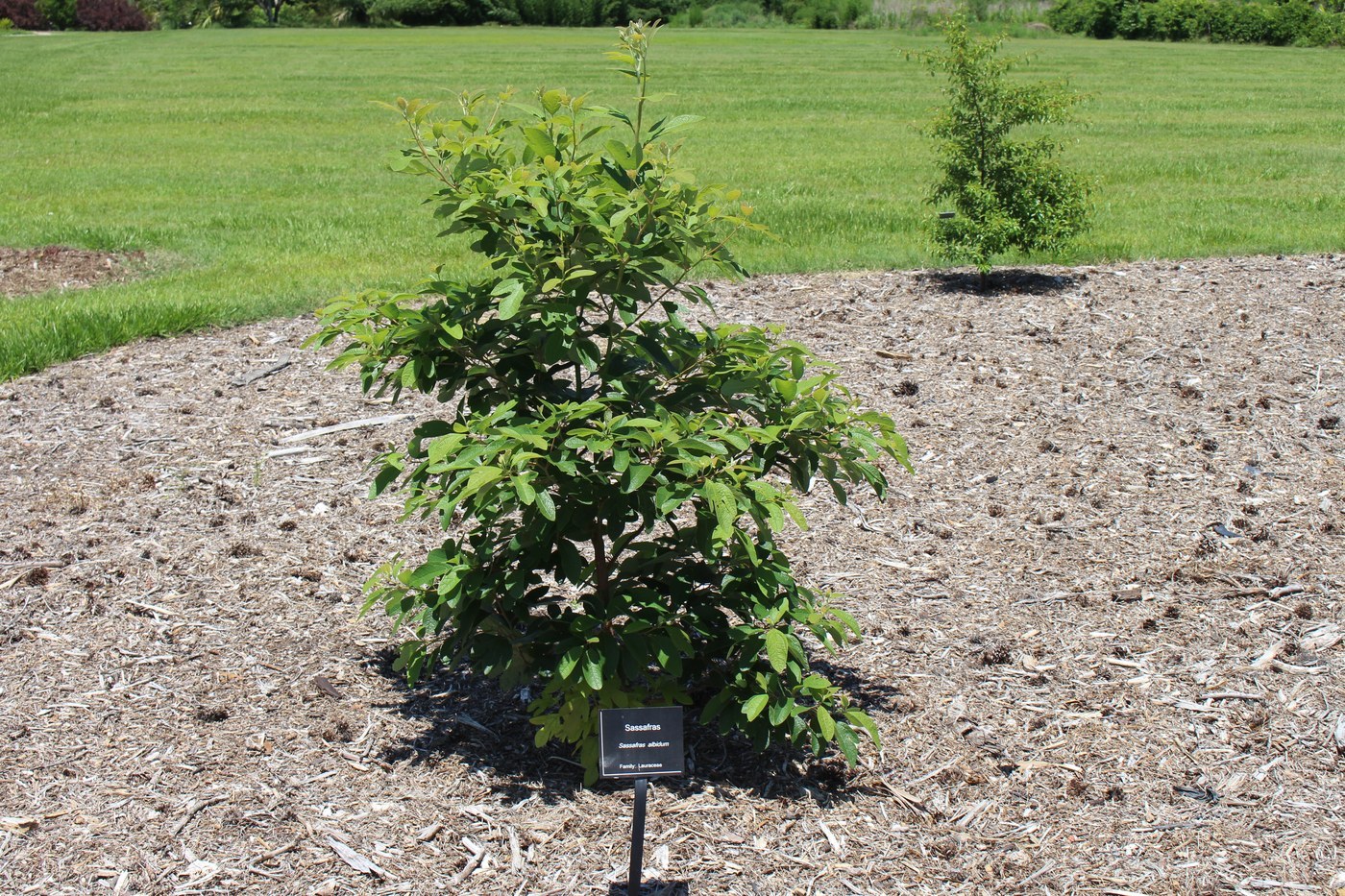
Sassafras (Sassafras albidum) is a deciduous North American tree grown as an ornamental for its distinctive mitten-shaped leaves, brilliant orange-to-red autumn color, and interesting furrowed bark. It is a moderately easy landscape tree, best sited thoughtfully because it forms colonies and resents transplanting once established.
Light
Sassafras grows in full sun to part shade. It develops the strongest form and the most vivid fall color in full sun, but young trees tolerate and even appreciate some shade, reflecting their natural role as woodland-edge and understory pioneers. Give it an open position with good light for the best display, while allowing that light dappling is fine.
Water
Provide moderate, even moisture in well-drained soil. Young and newly planted trees need regular watering through their first two or three growing seasons to establish a deep root system; water deeply and let the surface dry somewhat between soakings rather than keeping the ground constantly wet. Once established, sassafras is fairly drought-tolerant but performs best with occasional deep watering during prolonged dry spells. It dislikes waterlogged or compacted ground.
Soil & Potting
Sassafras prefers loose, moist, well-drained, acidic soil and naturally favors sandy or loamy ground. It does not thrive in heavy clay or alkaline conditions. Enrich poor sites with organic matter at planting and mulch the root zone to conserve moisture and keep the soil cool. Because the tree develops a taproot and resents root disturbance, plant young, container-grown or balled specimens and site them where they can remain permanently.
Humidity & Temperature
As a temperate deciduous tree, sassafras is well adapted to a wide range of humidity and to cold winters, going fully dormant and leafless in the cold season. It is hardy across much of the temperate zone and needs no special humidity provision. Simply plant it in a climate with distinct seasons and it will follow its natural rhythm of spring leaf-out, summer growth, autumn color, and winter dormancy.
Feeding
Sassafras is not a heavy feeder and generally thrives without much fertilizer once established in reasonable soil. If growth is weak or foliage pale, apply a balanced slow-release tree fertilizer or a layer of compost in early spring. A generous organic mulch that breaks down over time supplies most of what the tree needs. Avoid overfeeding, which encourages lax growth.
Propagation
Sassafras is most often propagated from seed, which typically needs a period of cold, moist stratification to break dormancy before spring sowing. The tree also spreads naturally by root suckers, and these suckers can sometimes be dug and transplanted while dormant, though success varies because of the plant's dislike of root disturbance. Root cuttings taken in late winter are another route to new plants.
Repotting / Pruning
Sassafras is a landscape tree rather than a container subject, so repotting is generally not relevant beyond the early nursery stage. Prune in late winter while dormant to remove dead, damaged, or crossing branches and to establish a strong central form when young. Remove root suckers regularly if you want to keep the tree as a single specimen rather than letting it form a spreading thicket.
Common Problems & Pests
Sassafras is relatively trouble-free. It can occasionally be affected by scale insects, Japanese beetles chewing the foliage, and leaf-spot or canker fungi in wet seasons; good airflow and healthy siting minimize these. Verticillium wilt can affect stressed trees. The tree's brittle wood may break in storms, so give it a sheltered position and prune to maintain sound structure. Its suckering habit is more a management task than a disease.
Seasonal Care Tips
In spring, watch for fresh growth, apply mulch and any needed feed, and keep young trees well watered as they leaf out. Through summer, water during dry spells and remove unwanted suckers. In fall, enjoy the striking foliage color and let leaves drop naturally. In winter, the tree is dormant; this is the ideal time for structural pruning and for planting or transplanting young specimens while they are leafless.
Frequently asked questions
Why is my sassafras sending up shoots all around it?
Sassafras naturally spreads by root suckers and tends to form colonies. If you want a single specimen tree, mow or cut the suckers regularly and remove them at the root. If you prefer a naturalized thicket, you can simply let them grow.
Can I transplant a sassafras tree?
Sassafras has a taproot and strongly resents root disturbance, so mature trees transplant poorly. Move only young, small plants and do so while dormant in late winter, keeping as much of the root system intact as possible. Container-grown young trees establish most reliably.
What soil does sassafras need?
It prefers loose, moist, well-drained, acidic soil, and naturally favors sandy or loamy ground. It struggles in heavy clay or alkaline conditions and dislikes waterlogging, so improve dense soils with organic matter and mulch at planting.
How do I get the best fall color from sassafras?
Plant it in full sun, which produces the most vivid orange-to-red autumn foliage, and keep it reasonably healthy with even moisture and good drainage. Trees in heavy shade tend to color less intensely.