Sassafras
Sassafras albidum
An aromatic native tree known for its three differently shaped leaves on the same plant, spicy fragrance, and brilliant fall color.
- Light
- Full sun to part shade
- Water
- Moderate; well-drained soil
- Difficulty
- Moderate
Got a plant like this?
Identify any plant from a photo, free.
Overview
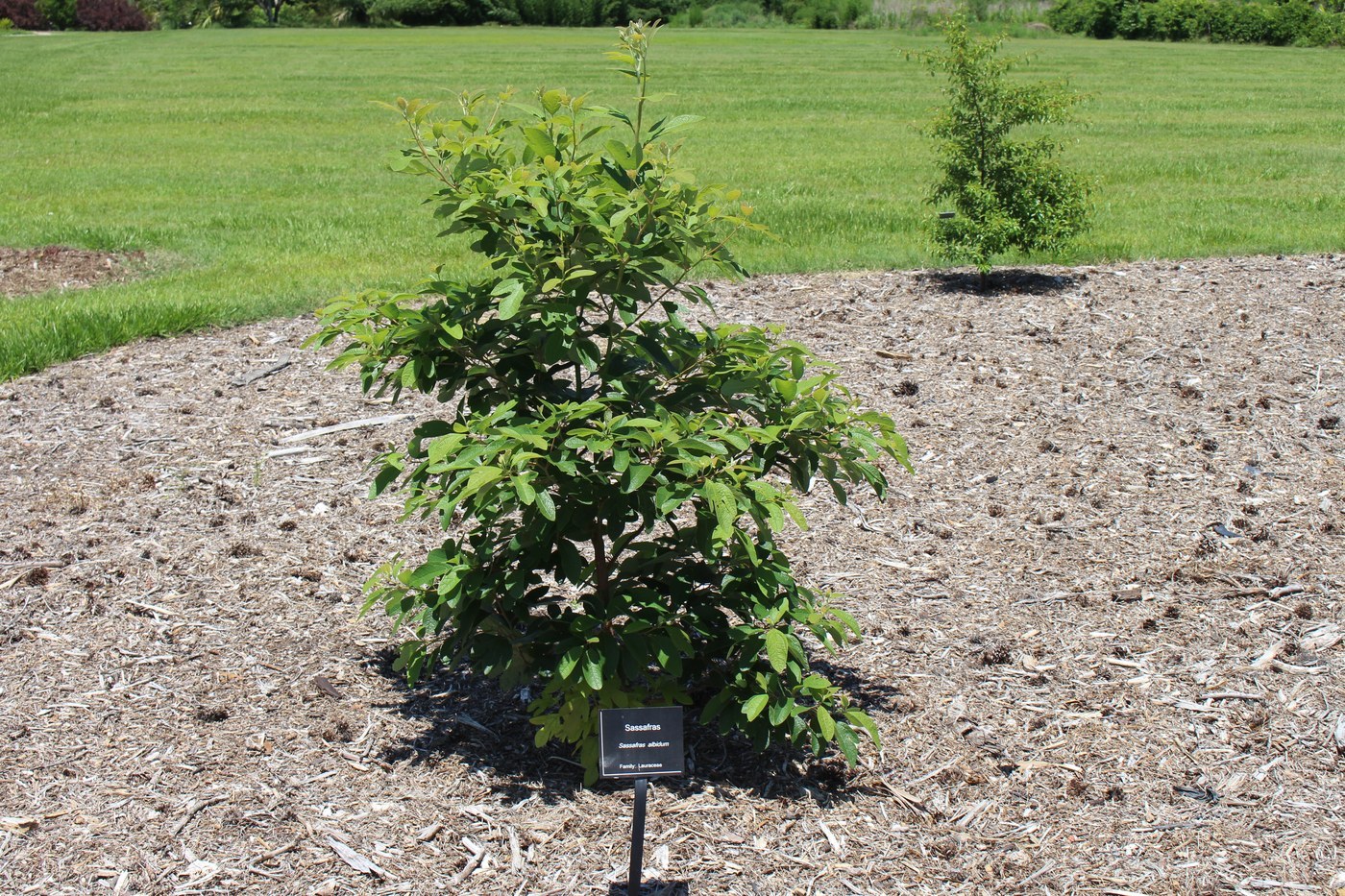
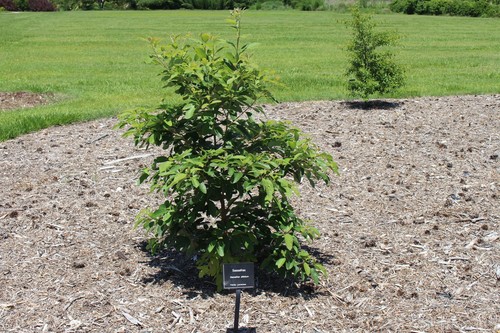
Sassafras is an aromatic deciduous tree native to eastern North America, famous for bearing three distinct leaf shapes—unlobed oval, two-lobed 'mitten,' and three-lobed—often on the same branch.
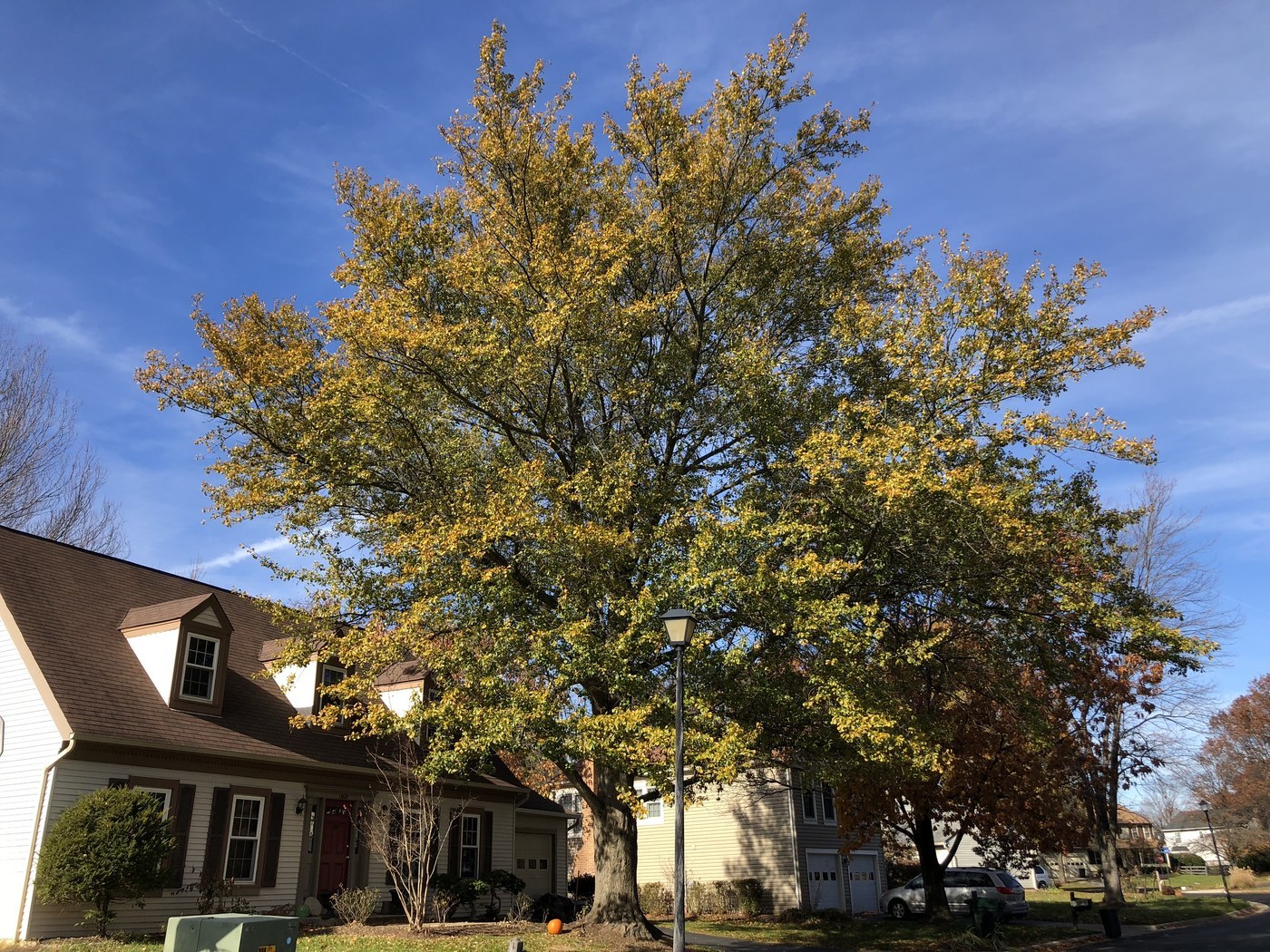
Every part of the tree is fragrant when crushed, with a sweet, spicy citrus scent. In autumn the foliage turns spectacular shades of yellow, orange, scarlet and purple.
It frequently spreads by root suckers to form thickets and is valued in naturalistic and native plantings.
How to identify it
- Leaves: alternate, aromatic, in three shapes on one tree—entire (oval), two-lobed (mitten), and three-lobed; brilliant multicolored fall color
- Twigs/bark: bright green young twigs; aromatic when scratched; mature bark deeply furrowed and reddish-brown
- Flowers: small yellow-green clusters in early spring (dioecious—male and female on separate trees)
- Fruit: dark blue oval drupes on bright red stalks on female trees
- Size: typically 30-60 ft tall; often forms colonies of suckers
Care & growing
- Light: full sun to partial shade
- Water: moderate; prefers well-drained soil, fairly drought tolerant once established
- Soil: tolerates poor, sandy or acidic soils; dislikes wet, heavy clay
- Temperature: hardy in USDA zones 4-9
- Feeding: rarely needed
- Propagation: difficult from seed (needs stratification); commonly spreads by root suckers, which can be dug and transplanted
Habitat & origin
Native to eastern North America, from southern Maine and Ontario south to Florida and west to Texas.
A classic pioneer species, it colonizes old fields, fencerows, woodland edges and disturbed clearings, often forming thickets. It is less common in cultivation due to its deep taproot, which makes transplanting difficult, but it is valued in naturalistic and native plantings.
Frequently asked questions
Why does one tree have three leaf shapes?
Sassafras naturally produces unlobed, mitten-shaped and three-lobed leaves, sometimes all on the same branch—a reliable identification clue.
Why is sassafras hard to transplant?
It develops a deep taproot and resents disturbance, so small, container-grown plants or suckers transplant far more successfully than large ones.
Does sassafras spread?
Yes. It readily sends up root suckers and can form sizable colonies or thickets if not managed.
Sassafras guides
In-depth guides for identifying, growing, and caring for Sassafras.
How to Care for Sassafras
Grow Sassafras albidum as an ornamental tree with sun to part shade, moist well-drained acidic soil, and space for its colorful fall foliage.
Sassafras Identification Guide
How to identify sassafras (Sassafras albidum) by its three differently shaped leaves on one tree and its spicy, citrus-root fragrance.