
How to Care for Scarlet Oak
Grow a Scarlet Oak (Quercus coccinea): a fast, drought-tolerant shade tree prized for its brilliant fall color and low-maintenance nature.
Read the full Scarlet Oak encyclopedia entry →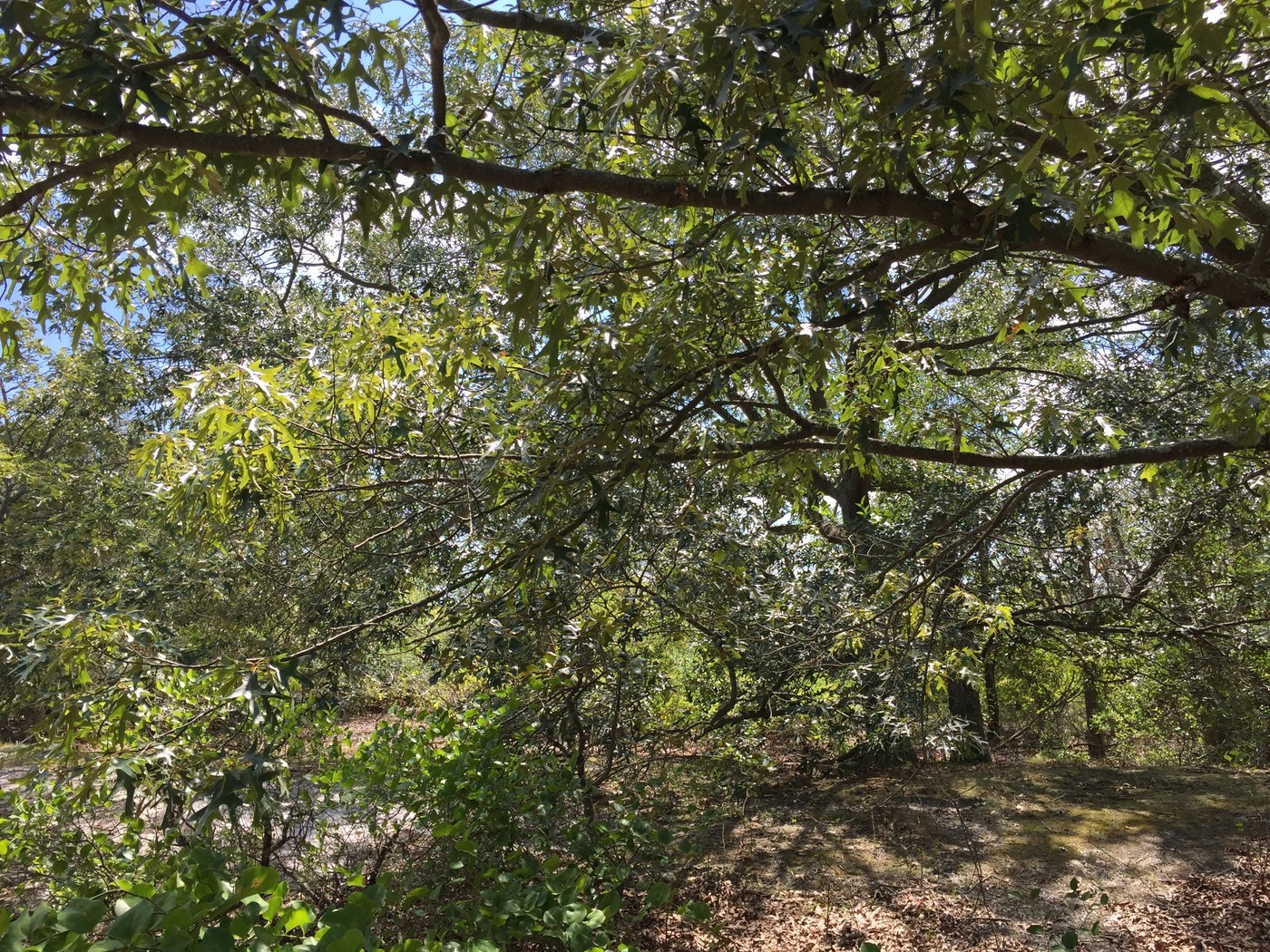
The Scarlet Oak (Quercus coccinea) is a stately deciduous shade tree in the red oak group, celebrated for the deep scarlet color its glossy, deeply-lobed leaves take on in autumn. It is an easy, long-lived landscape tree that rewards patience with decades of structure and seasonal drama.
Light
Scarlet Oak demands full sun—at least six to eight hours of direct light daily—for strong, straight growth and the most intense fall coloration. In shade it grows leggy, thin-crowned, and produces muted autumn tones. Give it an open site well away from buildings and other tall trees so the canopy can develop symmetrically.
Water
Consistent with its "drought-tolerant once established" rating, a mature Scarlet Oak asks very little supplemental water. During the first two or three growing seasons, water deeply once a week in the absence of rain to build a deep, resilient root system. After establishment, it tolerates dry spells well; deep, occasional soaking during extended drought is better than frequent shallow watering.
Soil & Potting
This oak strongly prefers well-drained, acidic soil and naturally thrives on dry, sandy or gravelly upland sites. It resents heavy, wet, or alkaline clay, where it is prone to iron chlorosis (yellowing leaves with green veins). Loosen a wide planting area rather than a narrow deep hole, and avoid soil amendments in the backfill so roots grow outward into native ground.
Humidity & Temperature
A cold-hardy temperate tree, Scarlet Oak grows well across roughly USDA zones 4 through 9. It handles hot summers and cold winters with ease and has no special humidity needs. Its deep taproot makes it sensitive to transplant disturbance, so plant young, container-grown or balled specimens for best establishment.
Feeding
Established trees in reasonable soil rarely need fertilizer. If growth is weak or foliage is pale, apply a balanced slow-release tree fertilizer in early spring, and use an acidifying formula if chlorosis appears on alkaline sites. A ring of organic mulch feeds the tree slowly as it breaks down and is usually all a healthy oak requires.
Propagation
Scarlet Oak is grown from acorns. Collect ripe acorns in fall, float-test them (discard floaters), and sow promptly or cold-stratify moist for a couple of months before spring sowing. Acorns lose viability quickly if allowed to dry out. Seedlings develop a strong taproot early, so start them in deep containers or their permanent spot and transplant while young.
Repotting / Pruning
Prune in late winter while the tree is dormant to reduce sap bleeding and lower the risk of oak wilt, which is spread by beetles attracted to fresh warm-season wounds. Remove dead, crossing, or competing leader branches early to establish a strong central form. Little routine pruning is needed once good structure is set.
Common Problems & Pests
Scarlet Oak is generally tough but can face oak wilt, anthracnose, and powdery mildew, along with occasional gall wasps, oak leaf caterpillars, borers, and scale. Chlorosis on alkaline or poorly drained soil is the most common cultural problem. Keep the tree vigorous with proper siting, mulch, and dormant-season pruning to minimize disease pressure.
Seasonal Care Tips
Plant in spring or early fall. Refresh a wide, shallow mulch ring each spring, keeping it a few inches back from the trunk. Water young trees through summer dry spells. Enjoy the signature scarlet display in autumn; the tree often holds some brown leaves into winter (marcescence), which is normal for the species.
Frequently asked questions
How fast does a Scarlet Oak grow?
It is a relatively fast-growing oak, often adding one to two feet of height per year when young in full sun and decent soil, then slowing as it matures into a large shade tree.
Why are my Scarlet Oak's leaves yellow with green veins?
That pattern is iron chlorosis, usually caused by alkaline or poorly drained soil that locks up iron. Improve drainage, mulch, and apply an acidifying or chelated-iron fertilizer to green the foliage back up.
When is the best time to plant a Scarlet Oak?
Plant in early spring or early fall using a young container-grown or balled specimen. Because of its deep taproot, younger trees establish far more reliably than large transplants.
Why isn't my oak turning scarlet in fall?
Muted color usually means too much shade or a very warm autumn. Full sun and the natural cool-night, sunny-day rhythm of fall bring out the brightest scarlet tones.